Bain Project Performance
The Bain Project installation weekends are over, but the reverberations of this grand, all-enveloping art event will echo for a very long time. Not since David Ira Wood’s multimedia theatre event “X” (in Thompson Theatre in 1970 when “multimedia” had just been coined) has Raleigh been blessed with such a massive infusion of cool. And to think – Bread & Puppet comes next weekend!! Raleigh, Raleigh.
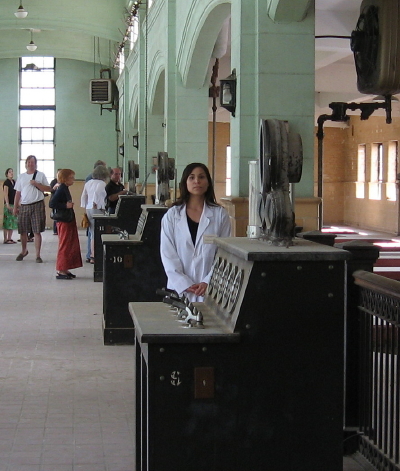
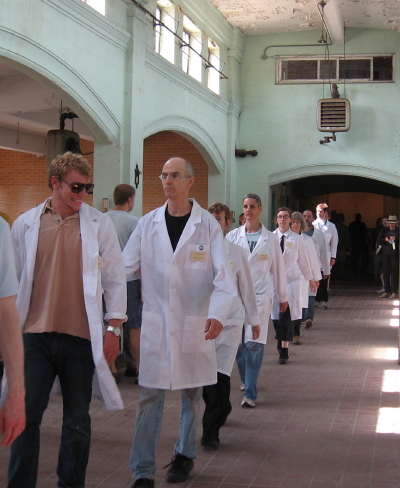
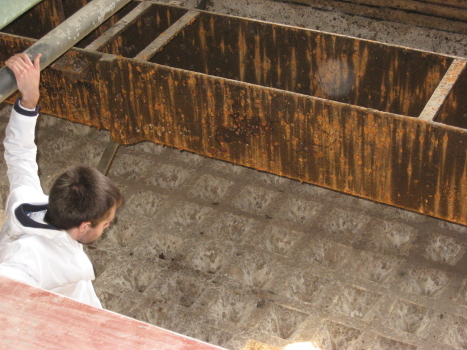
I’m still reeling from the sights, sounds and interactions of Bain. Huge crowds included many like me who visited several times. You couldn’t possibly see everything in one pass, and I kept running into wonderful reunions as well as Bain participants, who were amazingly present and available throughout the building. One thing I didn’t catch til near the end were the sound performances in the main hall of tanks. Below are links to two 30 second clips of the performance.
The Call for Performance
Shrieking Pipes Video
********************************************
Banging Pipes Video
*********************************************
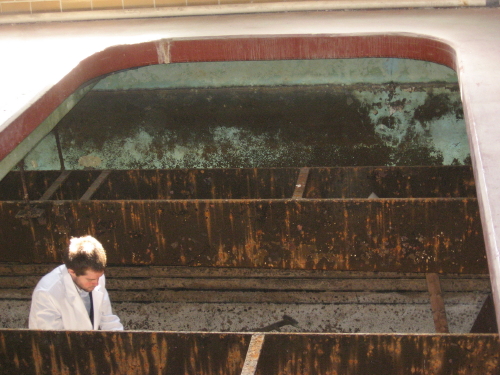
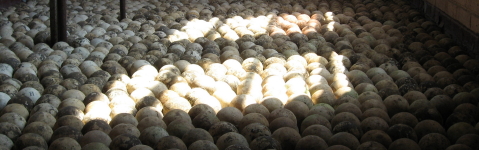
Though one of the best parts of the Bain installation was the seamless and credit-less array of work, Dana Raymond should be credited with leadership in the sound project above. I will be posting more special features of the Bain Project as I gather my thoughts for a central review. Stay tuned for Marty’s yellow room, four-day views of the ball floor and the watershed map, Tim’s magic lab, my urban explorer interview about Bain, and much more! It will all be referenced on my Bain Page.

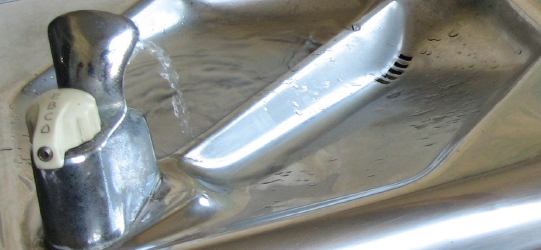
Bain Project – Day 1 Photos
- Bain Project Opens
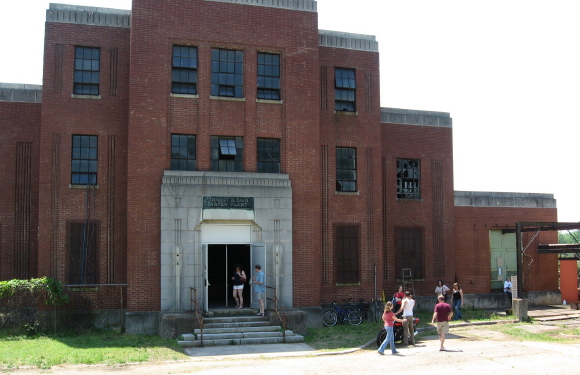
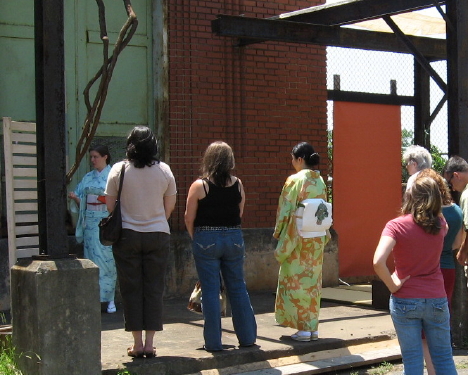
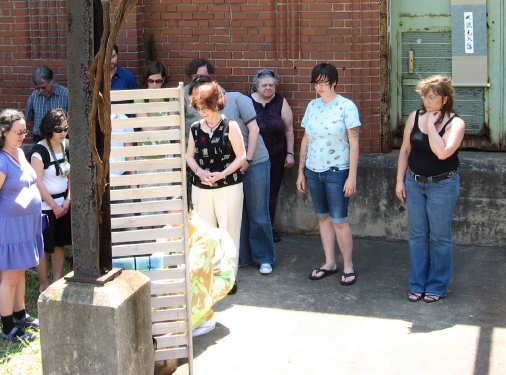
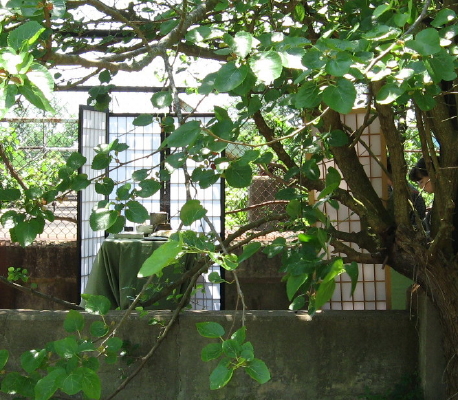
The Bain Project opened on Saturday, May 9, to large crowds and great success. The traditional tea presented by Triangle Chanoyu was well attended and ably interpreted by a narrator. Inside, visitors were asked to fill out an entry permit which assigned them to one of the city watersheds. They were then free to explore unguided throughout the structure. I will write more about my experiences when the dust settles, but for now, here is a selection of photos. Each will click to enlarge, while hovering gives you the title.
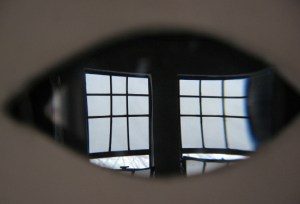
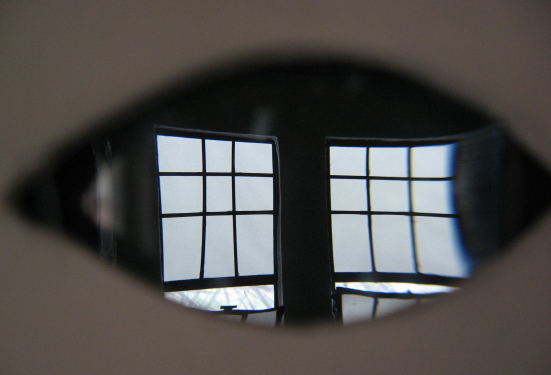
- eyehole with magnifying glass
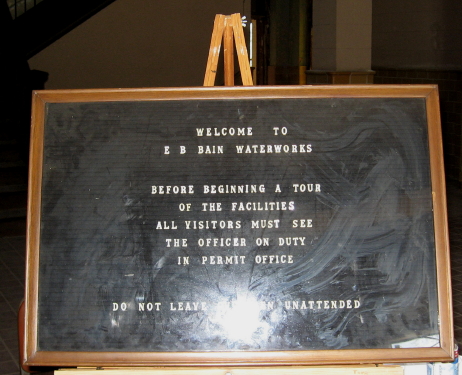
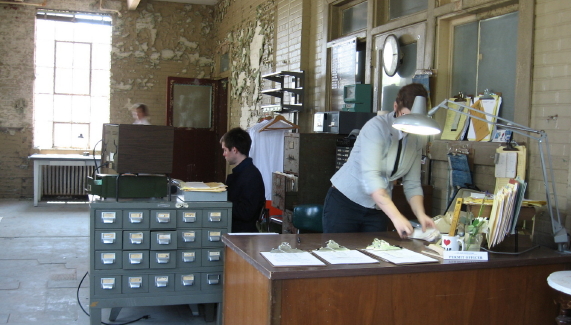
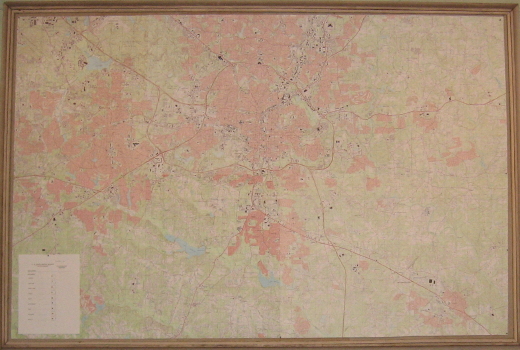
- Watershed Map Day 1
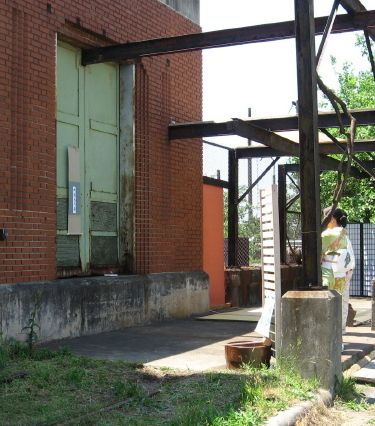
- Tea Preparation Area
Jen Coon’s description of tea installation
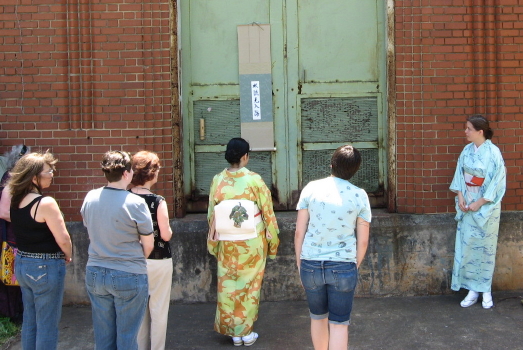
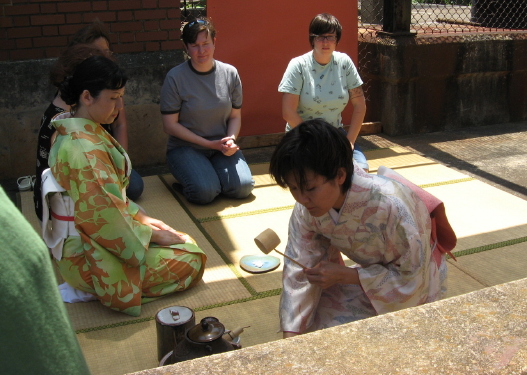
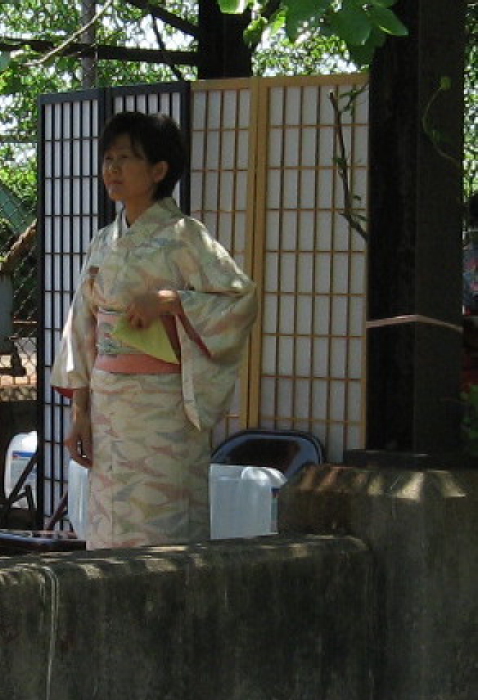
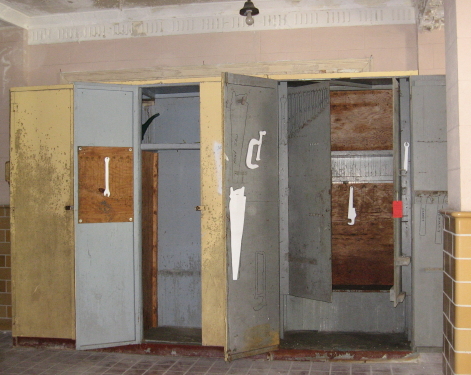
Several participants from the crowd were invited to take part in the tea. The device used for the purification came from the Bain complex. Recessed green doors served as the alcove, where objects and a carefully selected phrase set the tone for the tea.
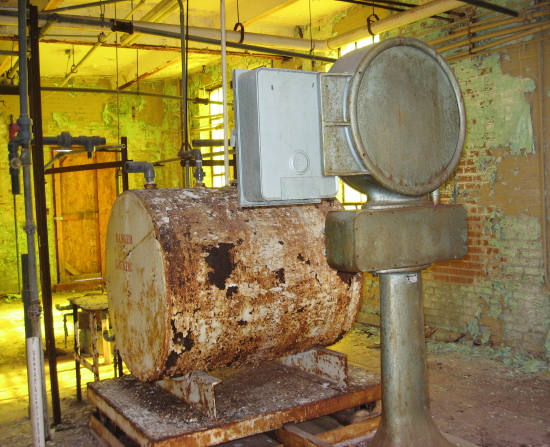
- Chlorine Tank and Scale
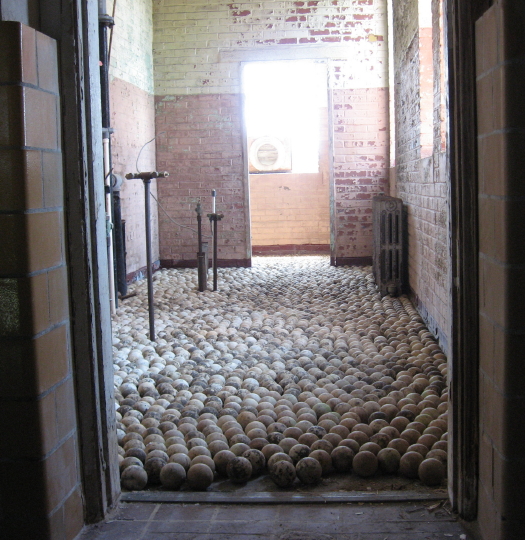
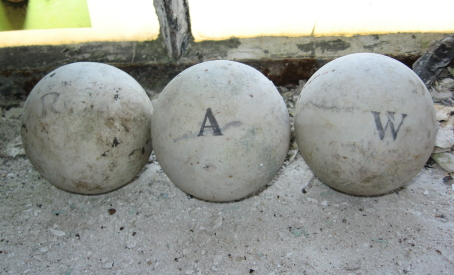
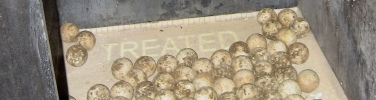
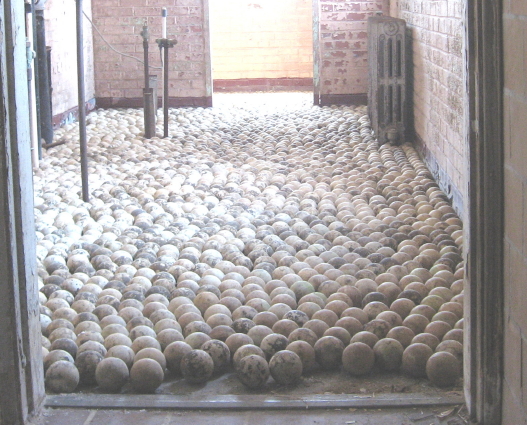
- Porcelain Filter Ball Installation
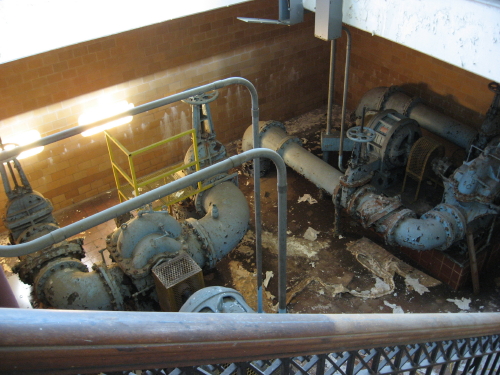
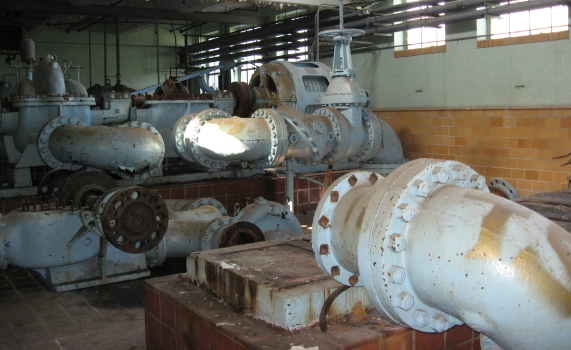
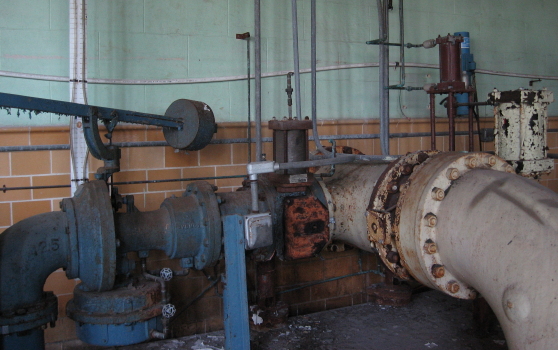

- Painted Balls on Mechanism

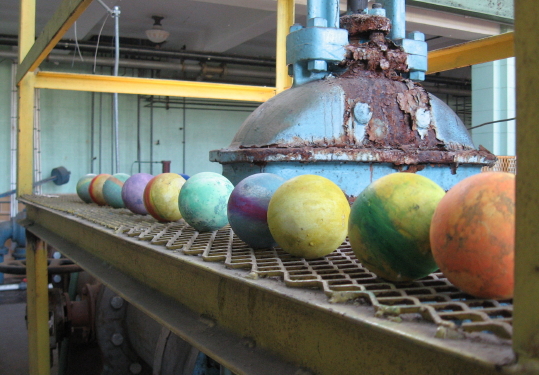
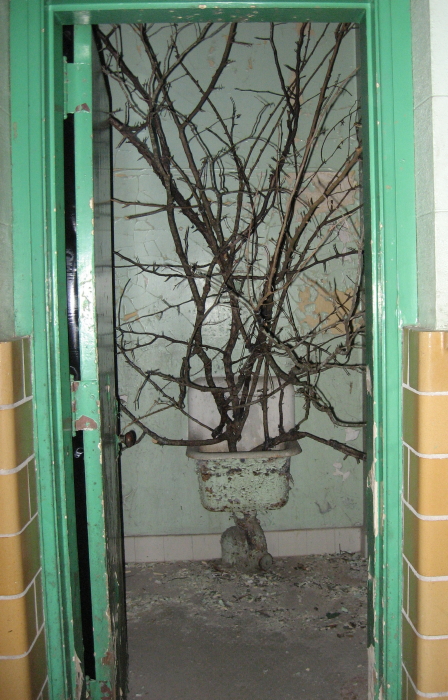
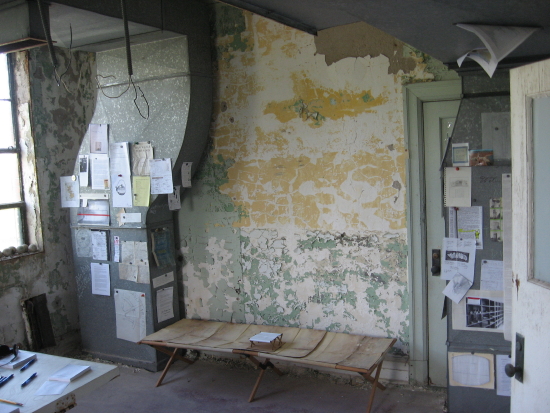
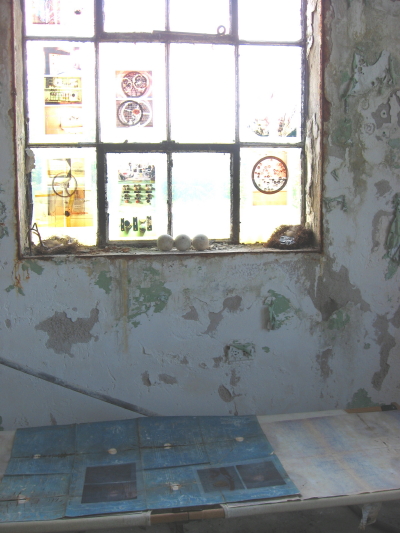
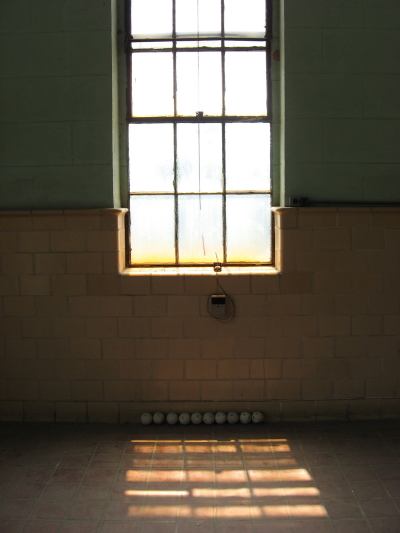
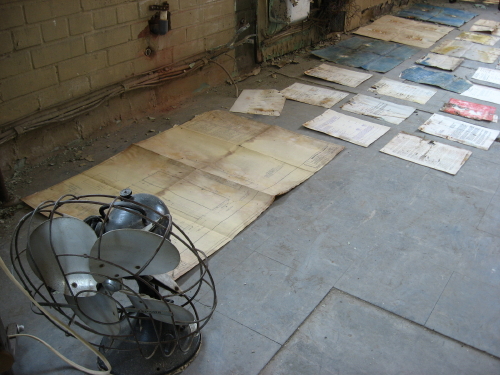
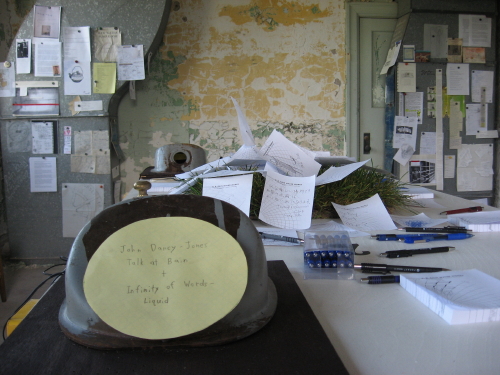
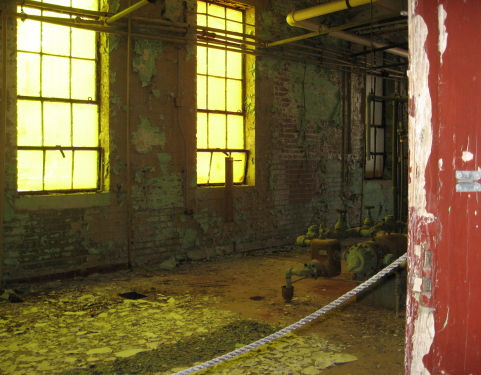
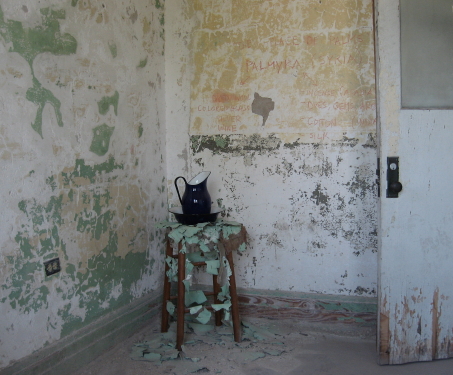
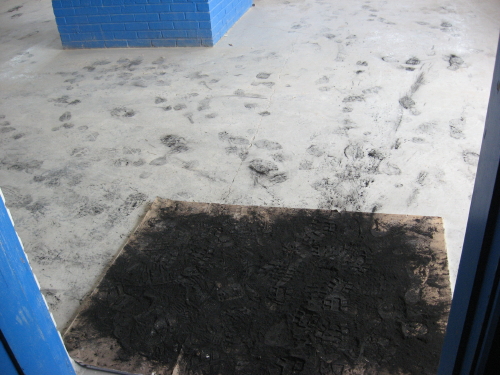
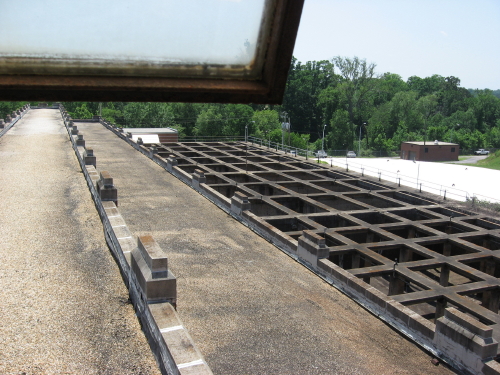
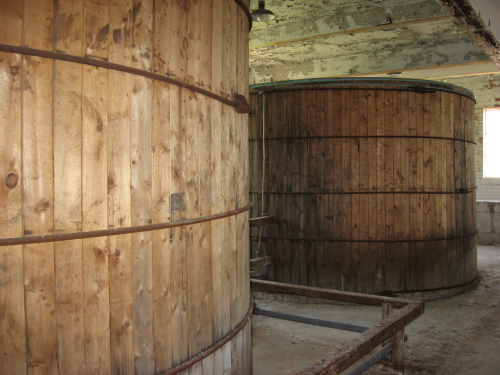
- Top Floor Cisterns
-
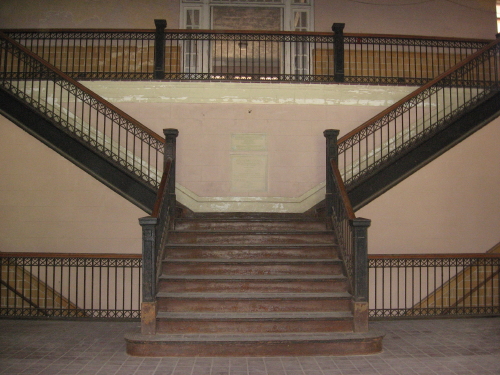
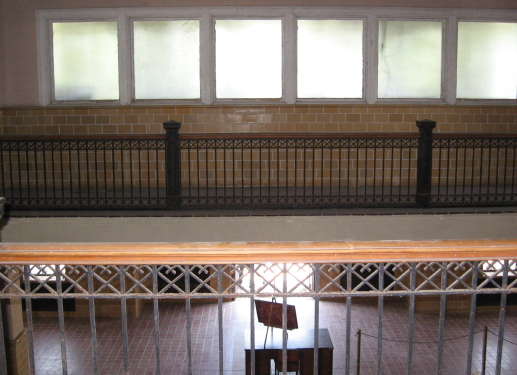
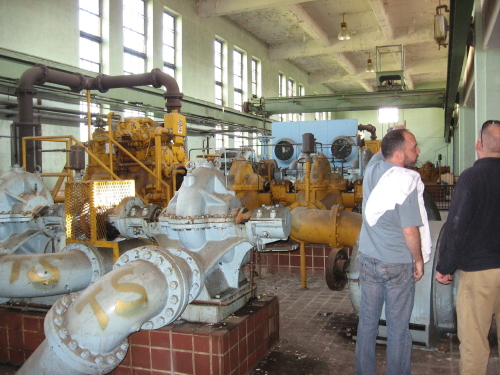
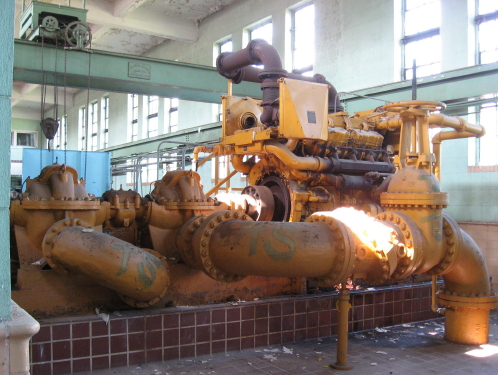
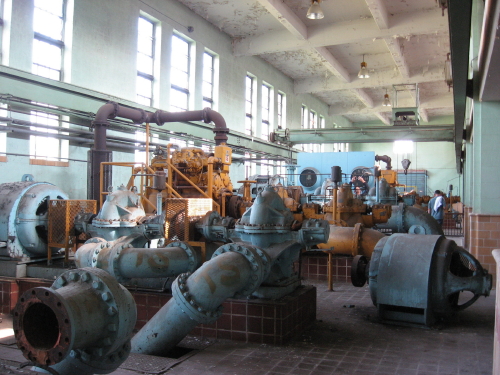
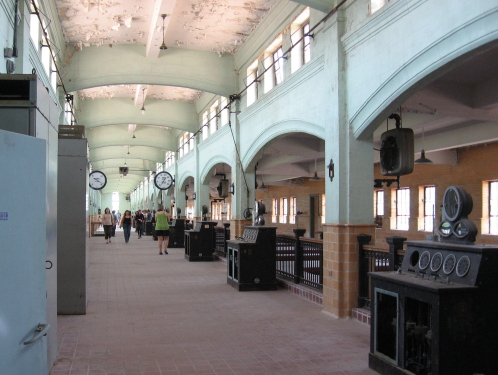
Bain Water Plant Main Hall
The show runs through May 17. Go check it out!
Bain Preview Signals Documentary Style
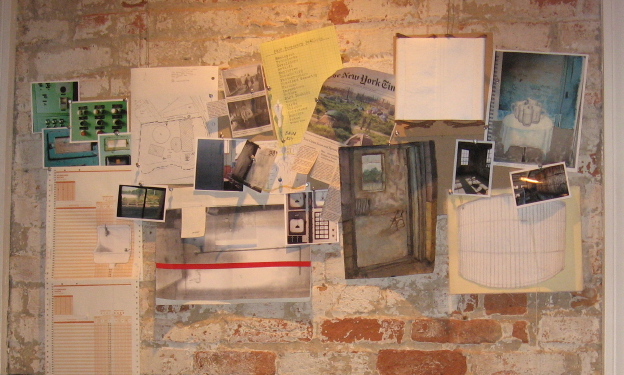
Bain Water Project source materials on display
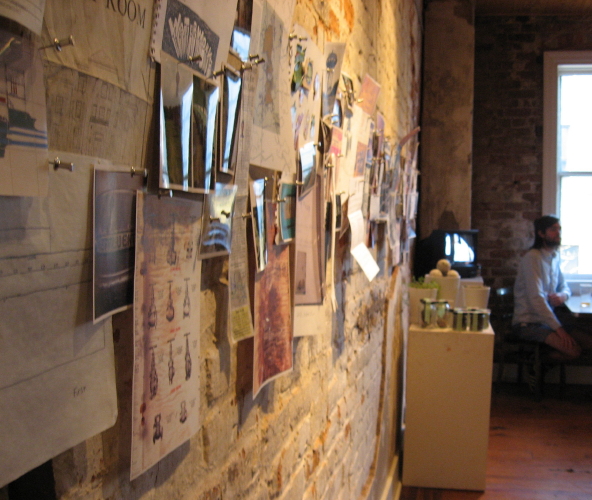
The preview show for The Bain Water Project, which opened at The Morning Times on First Friday, offered some glimpses of what we can hope to see at the full on-site installation in May. The show also displayed a documentary, self-reflective style which is permeating the group’s work overall, I think in an excellent way. From the large scale photo and video displays seen at the music event, to the “open access” range of information available on some of the artist’s websites, this massive accretion of work is not least interesting for the shape of the artistic process itself, made visible in the large display of notes, drafts, and source materials on display upstairs on Hargett Street.
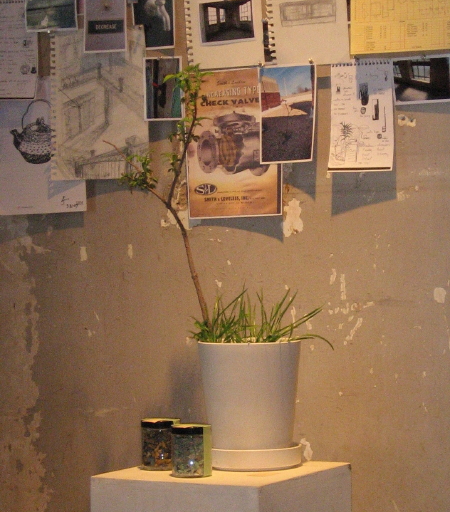
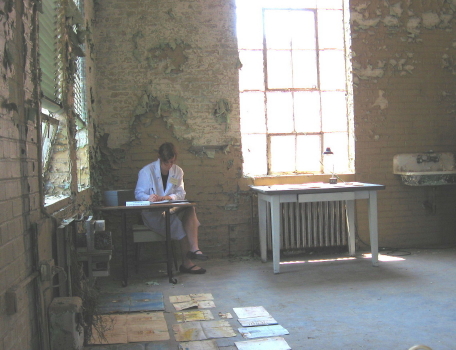
The artists meet most Saturday mornings at the Bain site to collaborate and consult, then spend many more hours creating art work in response to their experiences. For the preview show, they attempted to evoke a sense of the place, including bringing plants from on site, jars with samples of the debris and filter material, as seen above. The stripped masonry and ancient brick walls of the upper Morning Times are an ideal setting for the work.
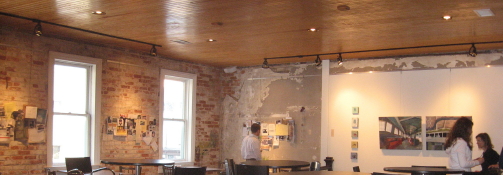
The range of media and subjects derived from the Bain site remains quite varied, and if I imagine a conventional show of all the finished artworks I have seen, the unifying thread might be hard to describe. Luke Buchanan Miller’s large traditional paintings have a wonderfully loose sense of perspective and give a successful Impressionist view of an industrial space. But it can be difficult to shift gears and then find a totally different response in the layered, heavily sealed and almost subliminal images in the tiles by Marty Baird right next to these paintings. And this show will need to find room for conceptual art, correspondence art, digital graphics, perhaps some kinetic art, and no doubt some performance art before those weekends in May are over. The preview show gives some very encouraging signs that the individual art is also being couched in a group effort to re-present, artistically, the Bain space itself, and to evoke the artistic experiences being undergone by the group. I’m not complaining about the wide diversity of media emerging in the Bain Project. I think it’s all great. Seeing the imagery from so many artistic perspectives is intrinsically interesting. I’m also fascinated to see the project finding ways to exist outside of and between the individual artworks. One favorite part of this show is where you can see a photo, charcoal sketch, and painting of the same scene. You really get a feel for the artistic experience. The catalog pages, technical sheets, and other tatters of beauracracy offer a sense of the human history and the technical complexities of the place.
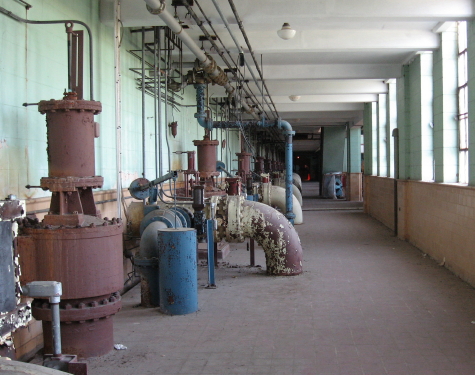
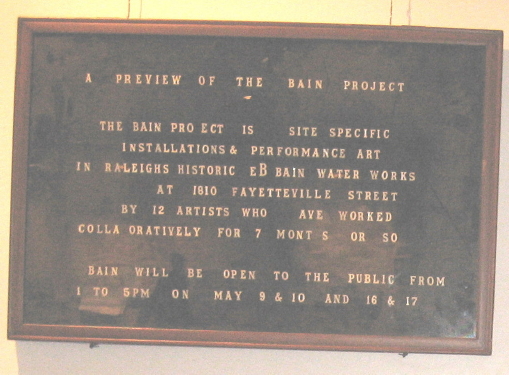
The Bain Water Treatment Plant represents a massive subject. The Art Deco exterior and lobby, the huge myriad of pipes, valves, pumps and holding tanks, and the stark abandoned and long neglected human workspaces, all comprise a complex portrait of early twentieth century Raleigh. As this group of artists pulsates in rythym, collaborating and privately creating, I look forward to an amazing show in May. And I hope the documentary style of the preview show, which illuminates the process-as-product, is a big part of the final event.
*************
my photo album of the Bain site
Raleigh Rambles Bain page
Bain Water Project home page
Bain Project Holds Forth Downtown
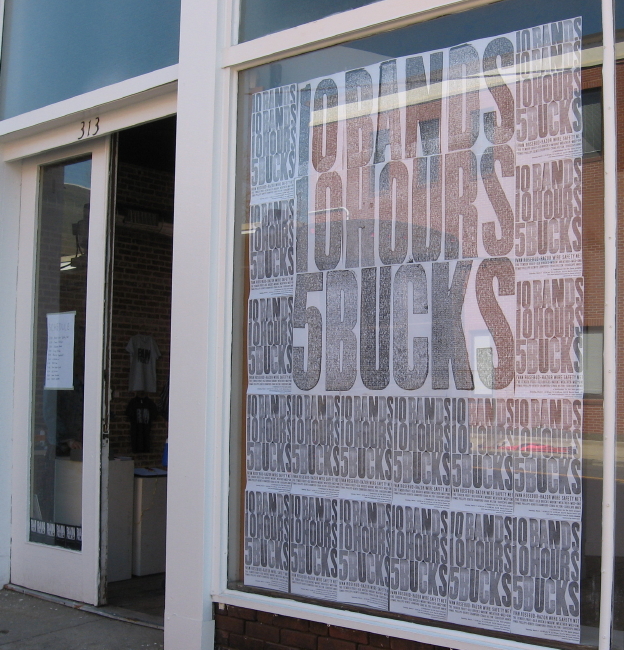
The Bain Project artists and supporters put together a huge bash on Martin Street and raised awareness of and funds for this fascinating and rapidly developing project. Ten artists, joined by three documenters, are transforming an abandoned historic Art Decco structure on South Wilmington, and making some great individual art along the way. Many of the individual responses were on display Saturday at 313 West Martin Street, a space provided by Clearscapes. The transformation of the 1940 water treatment plant will be on display the middle two weekends in May.
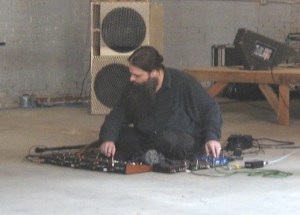
subscape annex
The big draw this weekend was the marathon music session, helpfully bannered at New Raleigh, which eventually drew a large evening crowd. The early afternoon acts were experimental and sparsely attended, but a truly amazing event took place at 4 PM. Benito Crawford, on the left below, devised and conducted a performance where the audience participated through a net interface. Crawford is a doctoral student in music at Duke, and the piece performed Saturday is part of his dissertation.
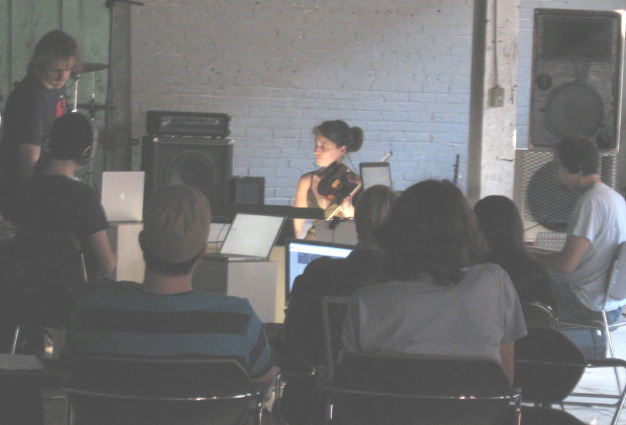
It was fantastic watching numerous people in the crowd getting their laptops ready, logging on to the website, and then offering their input into the outputs of the musicians and the synthesizers.
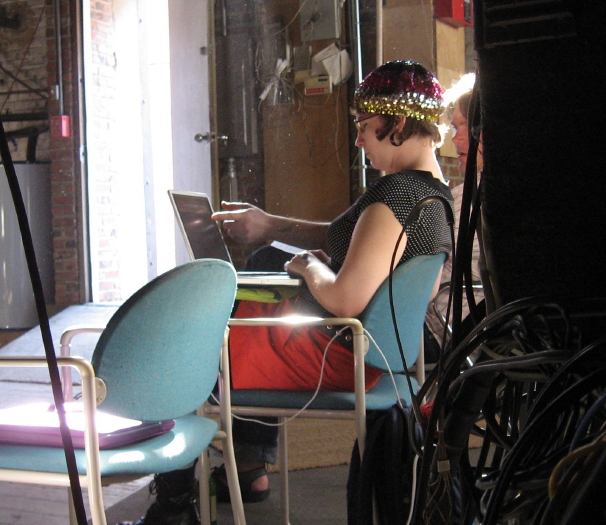
Bain artist Stacey Kirby readies her PC
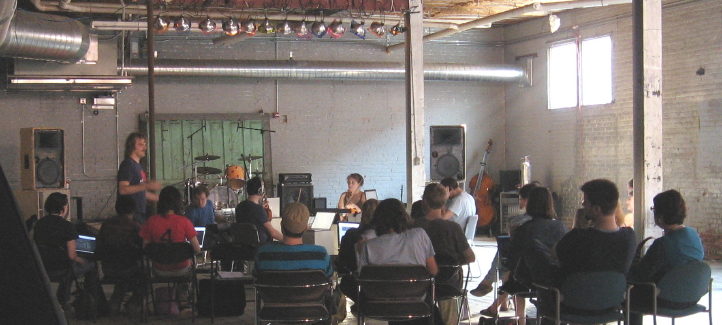
musicians and audience collaborate
The evening music drew much larger crowds, but being generationally impaired, I spent most of my evening visit out in the front room with the Bain artists, who were rotating duties at the door, selling t-shirts and networking. There were small heavily layered iconic pieces from Marty Baird and Lee Moore, traditional oils from project leader Daniel Kelly, reflective collages on graph paper from Sarah Powers, a photo montage from Lia Newman, a piece of mail art from Stacey Kirby, and much more.
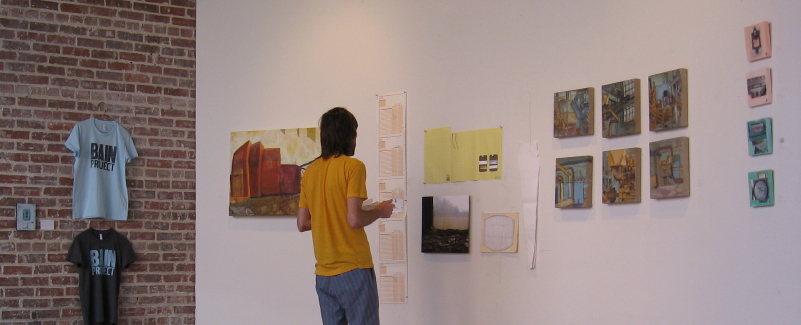
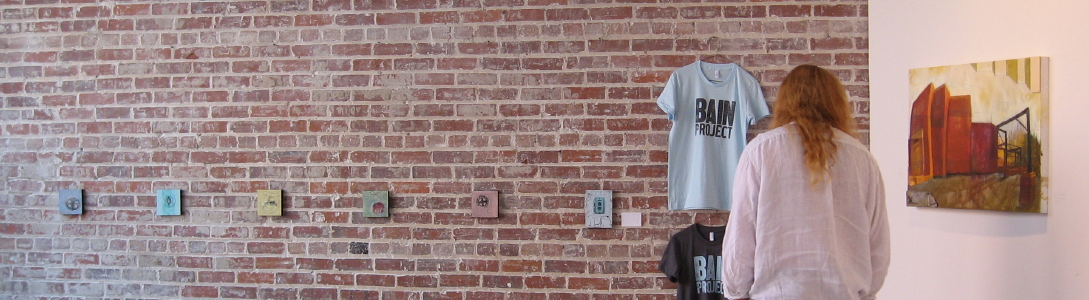
This project has picked up critical mass and velocity, and that was made clear on Saturday. Lots of energy, lots of fascinating work, and now a ground-breaking presentation of music in downtown. Go Bain!!
raleighrambles.com
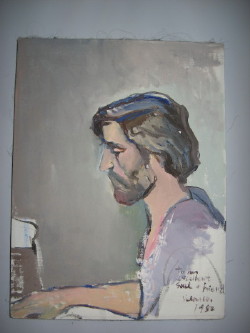
portrait by Guillermo Velasco


 Raleigh Rambles