Highly Personal Rauschenberg Exhibit Brings Back Memories
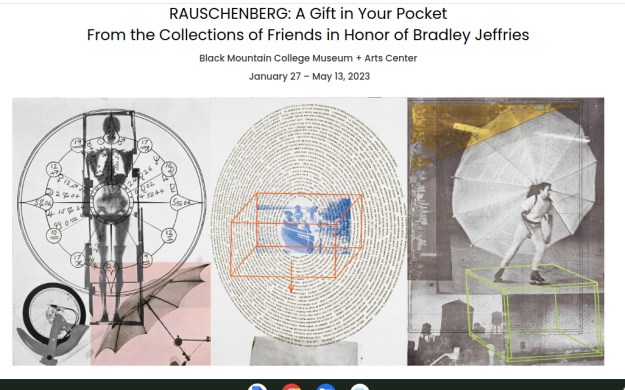
“Auotobiography” lithograph set 1968
all images shown in deference to Robert Rauschenberg’s estate
The Black Mountain College Museum + Art Center is hosting a traveling exhibit of a special set of work by Robert Rauschenberg – gifts, many made just for her, to his studio manager and confidant of 30 years, Bradley Jeffries. It’s an outstanding show with an initial grouping that is one of the most sensually beautiful I have ever seen in this or any museum. A good range of different media from this most versatile artist is shown, but a predominant one is solvent transfer, which captures pre-existing images, from text to photos to anything, in a dreamy and bluish hued tone of nostalgia.
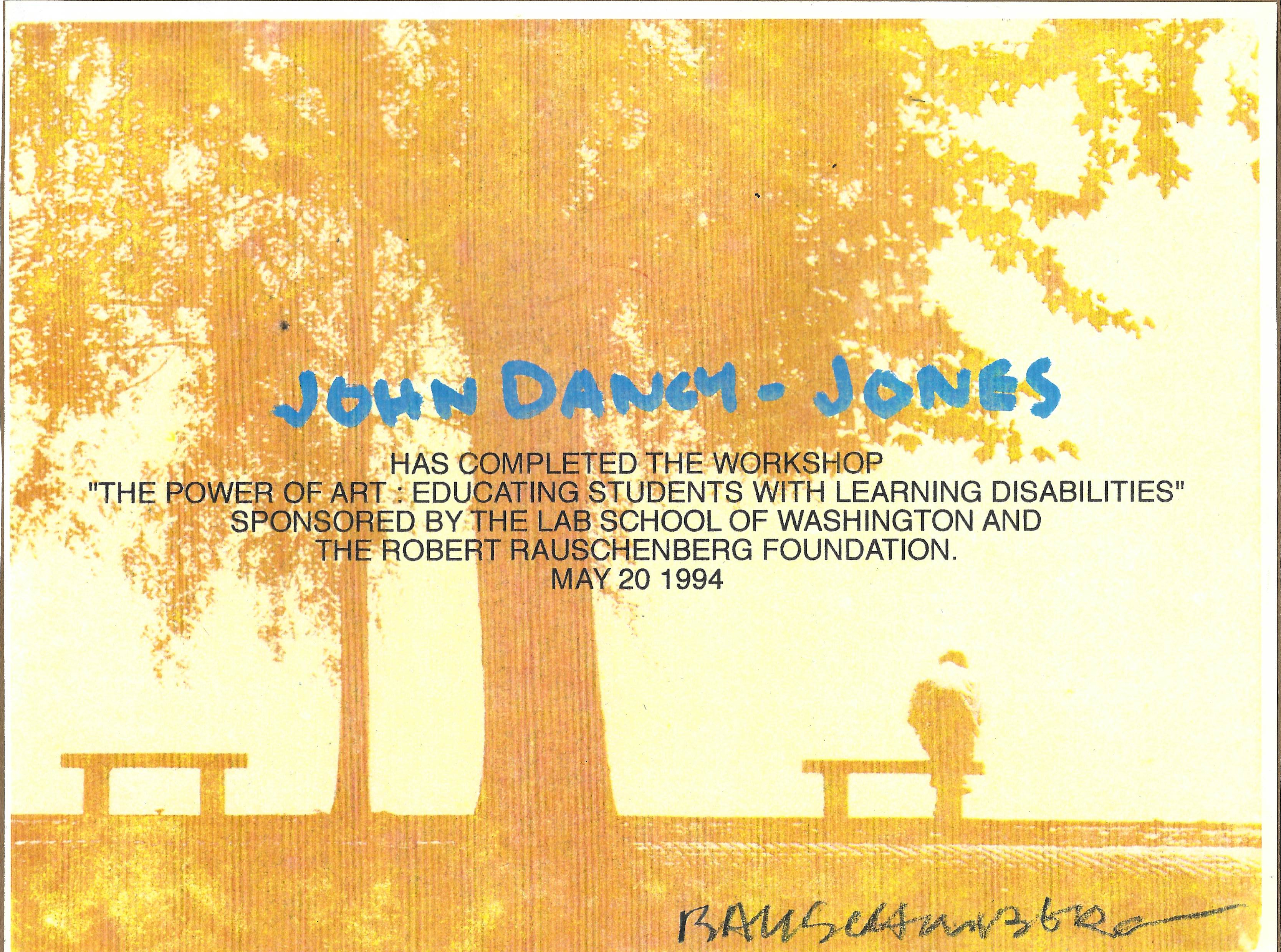
Much nostalgia for me in seeing a certificate of participation in a glass case, earned by Ms. Jeffries, for completion of the workshop The Power of Art, a program sponsored by Robert Rauschenberg at the Lab School, a self-contained day school in Georgetown in Washington, D.C. which serves students with learning differences. Her’s was for 1999; I was a charter participant the first year in 1994. I was a new art teacher at The Achievement School (now The Fletcher Academy) and applied for the workshop using student linoleum prints executed on scrap linoleum from the school’s gymnasium.
Mr Rauschenberg spent the day with us,as I describe on my Black Mountain College page.
Robert Rauschenberg found out as an adult that he had a learning disability ( as distinguished from being what he thought was “stupid”) from Sally Smith, founder of The Lab School. He became a supporter of the school, and the “Power of Art” program, of which I was a charter participant, rewarded art teachers who worked with that that population. Mr Rauschenberg treated us to a presentation along with his assistant, gave us signed posters, a five hundred dollar gift certificate to Jerry’s Artarama,and sat and listened to each of us present about our work. That evening, we were feted at a private reception at the National Gallery’s East Wing, and Mr Rauschenberg favored us with a tour of his own work on the walls. He discussed his decision to create the “white painting” while at Black Mountain (Josef Albers thought it a needless extreme), and he gave a vivid description of painting the huge 25 foot work which was on display in the main room -smearing his hands with the white lead paint for hours and then having to go into immediate treatment for weeks because of the lead poisoning. He was charming and down-to-earth, yet fragile and a bit ethereal in his personal presence. That was a wonderful day.
Below is a photcopy of my certificate. Sadly (and thoughtlessly) I displayed the original near a south-facing window and it has faded considerably. Just as bad, I used dorm room sticky to mount the poster Mr. Rauschenberg SIGNED. Such is life when you are a generalist with too many pies cooking. But now I have added this event to the several that have linked me repeatedly to Black Mountain College over the years, leading me now to be a private scholar in the field and an active participant in the activities of the wonderful BMC museum in downtown Asheville.
BMC Conference Features Leo Amino and More
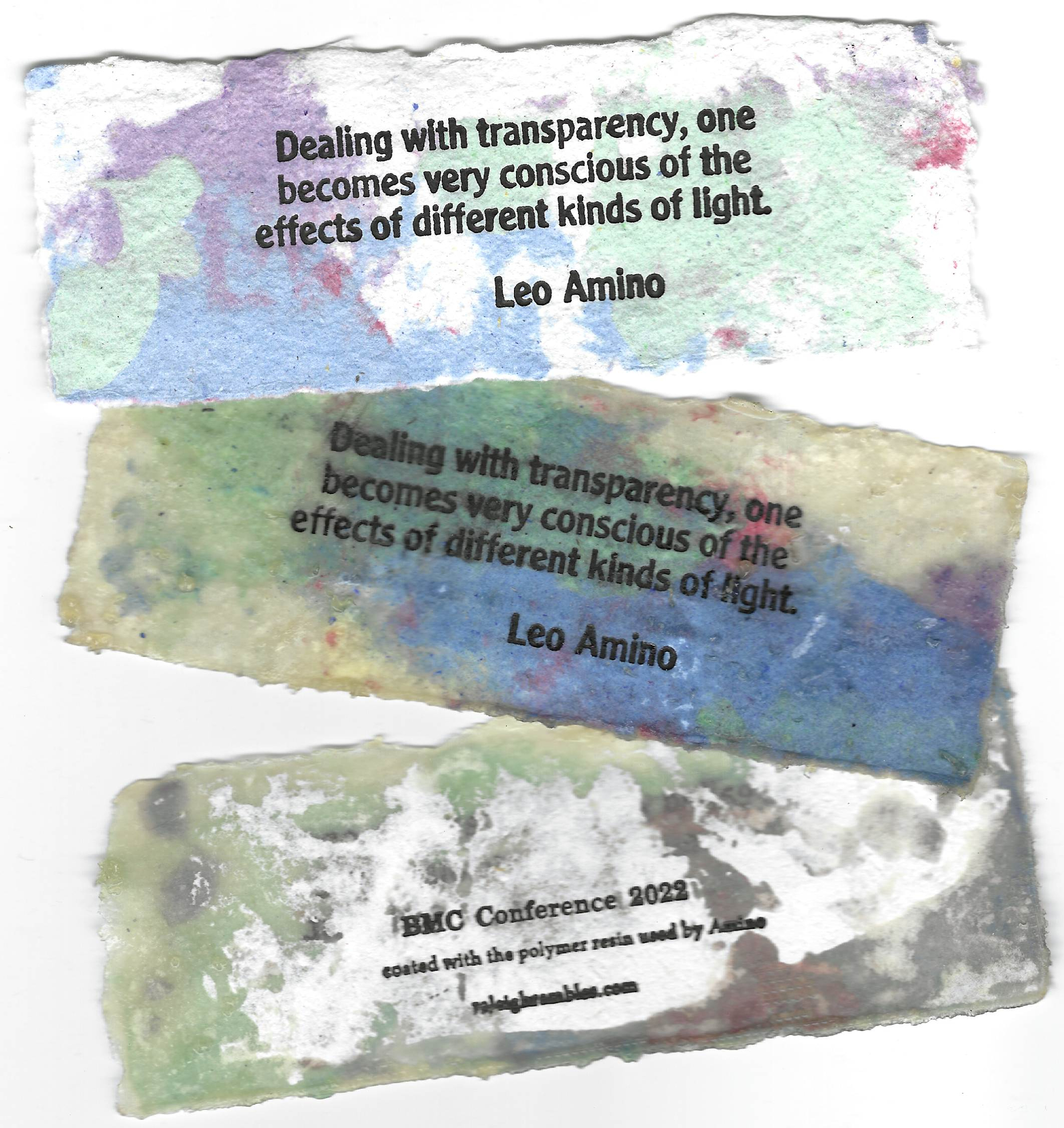
The 13th Black Mountain College conference called ReVIEWing features Leo Amino, of whom I had not heard before this event. He pioneered the use of polymer resins as the material for abstract sculpture. My annual BMC give-away is pictured above, with a book mark quote from Amino experimentally coated with polymer resin.
This year’s conference is marked by an ever evolving process of globalizing or non-Westernizing the narrative of art in America while signaling the amazing resilience of the importance of Black Mountain College principles and experiences in that narrative. BMC was very early in integrating its faculty and student body, and the Sunday campus tours always recall the major role of beloved African-American staff were in college life. The role of students in governing the college, the powerful roles played by women throughout its history (especially during WW II and then much less so in the last failing years), and the progressive experiential and material-based art instruction at the center of its teaching, all made for a wonderful readiness to explore new ideas that permeated the atmosphere and the work done. Now BMC scholarship is investigating the ways artists like Leo Amino created art that helped open up the artistic tradition to a wider set of values.
David Larson: Dead Dads, Lt Walsh & Karl
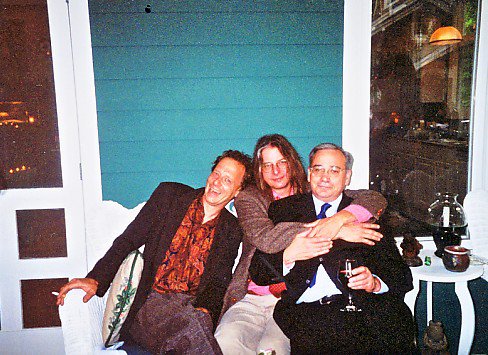
Peter Eichenberger, David and brother Karl at Viki B’s wedding
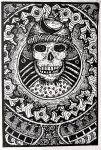
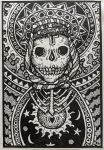
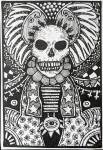
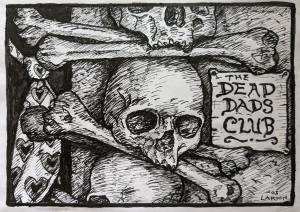
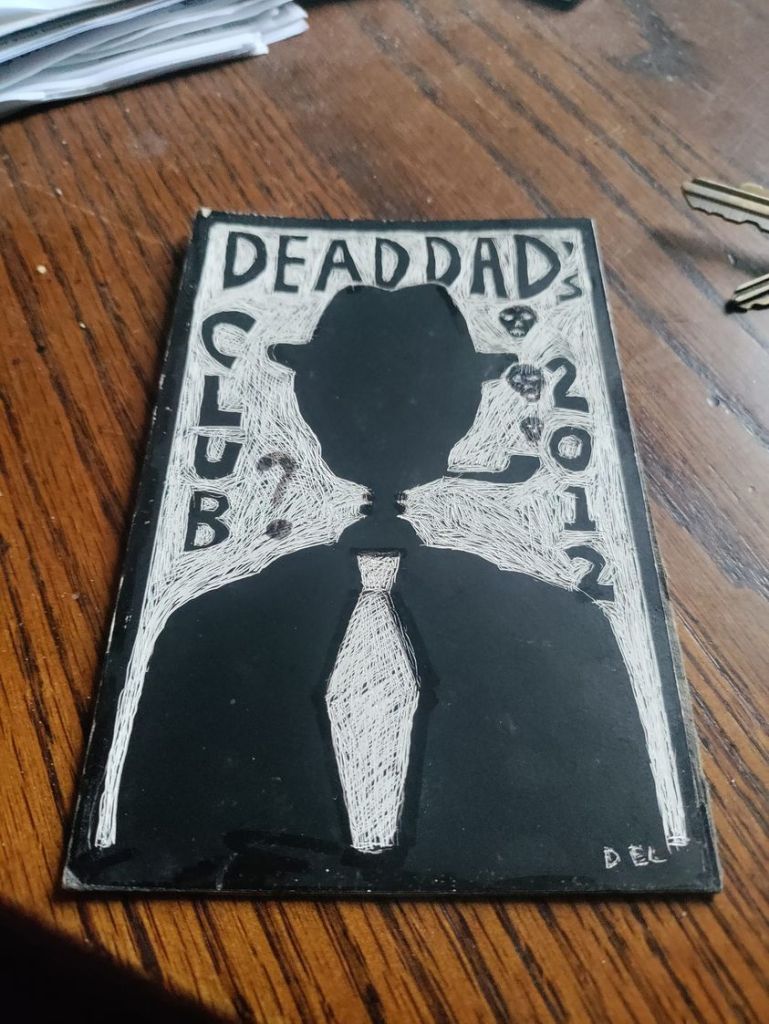
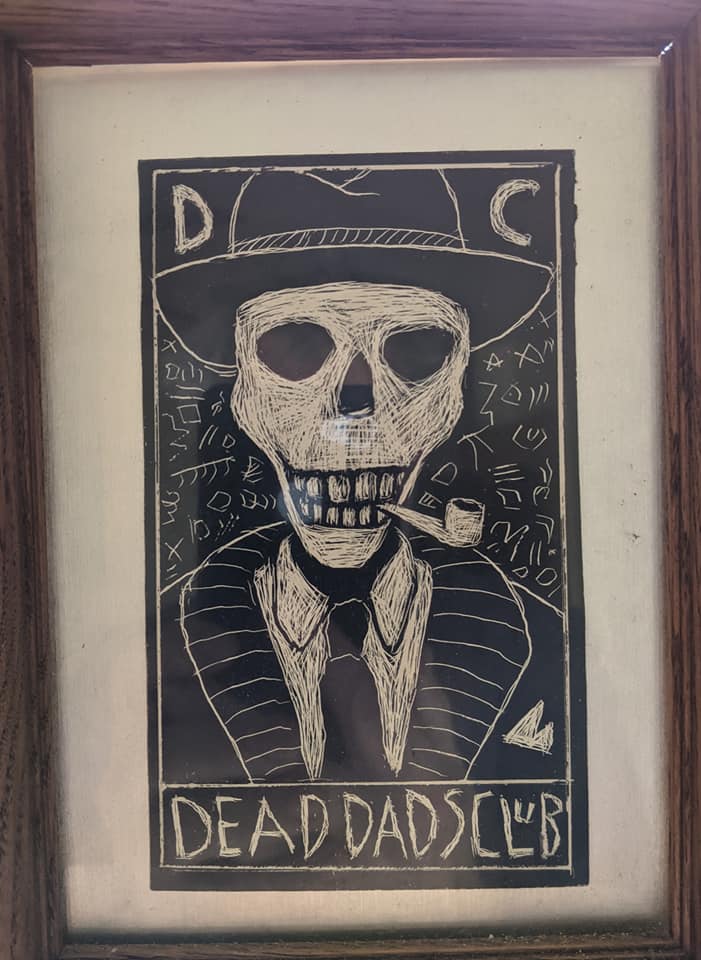
The Dead Dad’s Club, Lt Walsh Day, the Poker Game, the Kentucky Derby Mint Julep Party, all were a big part of David’s social life and the action often involved brother Karl and his house on Sasser Street in the Oakdale neighborhood of Raleigh. And David always celebrated not just with drinking but with art.
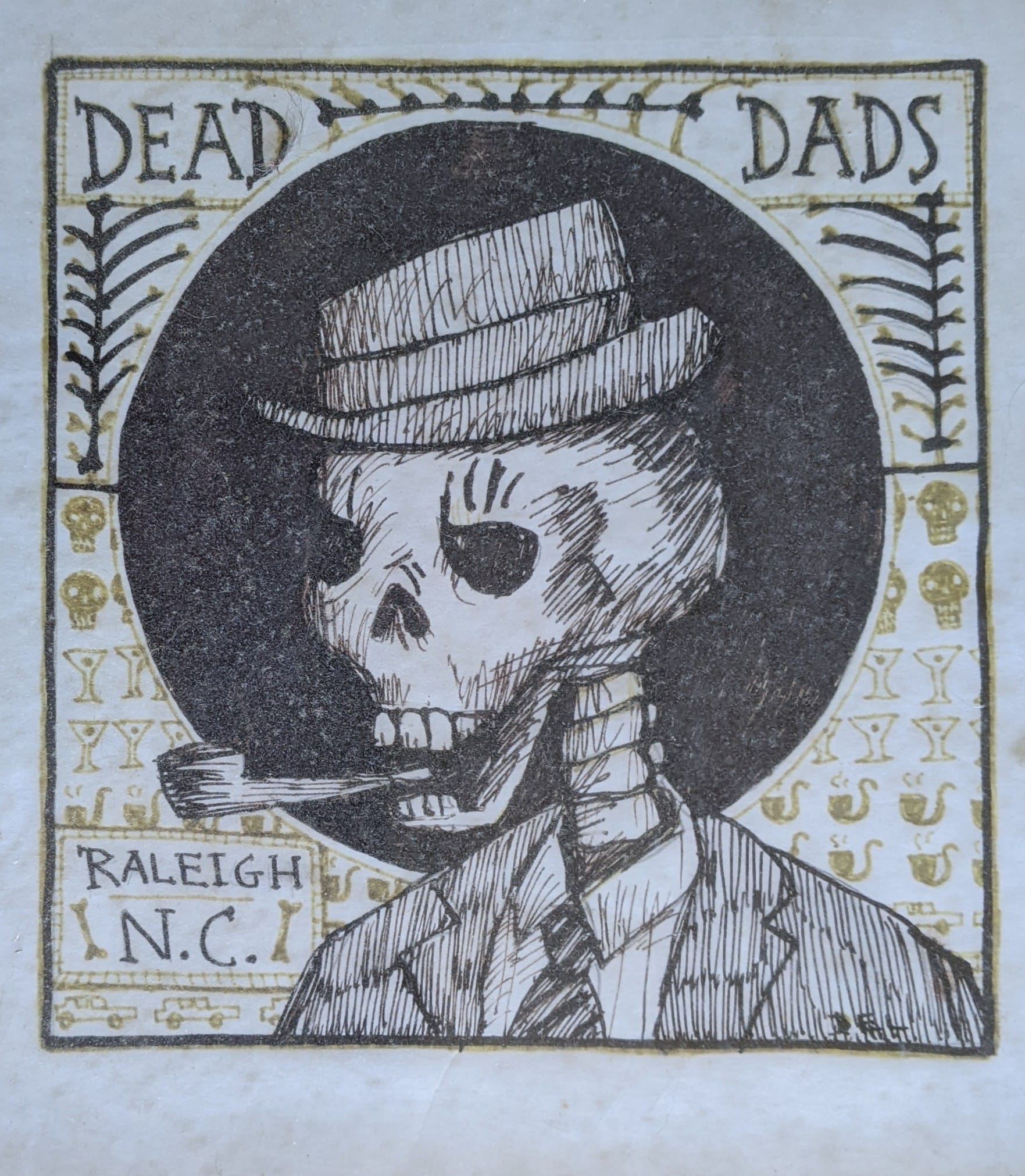
from Alan B
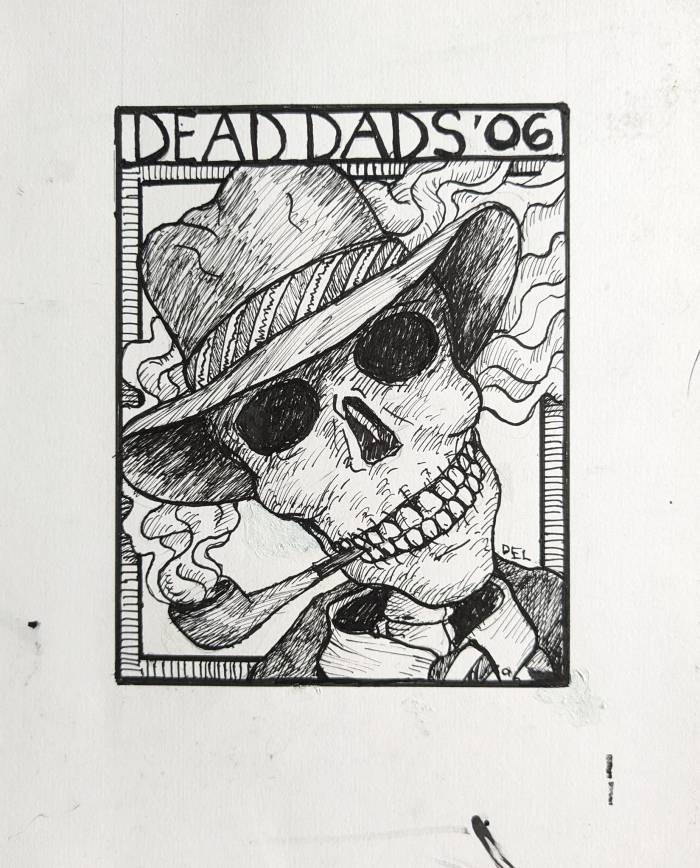
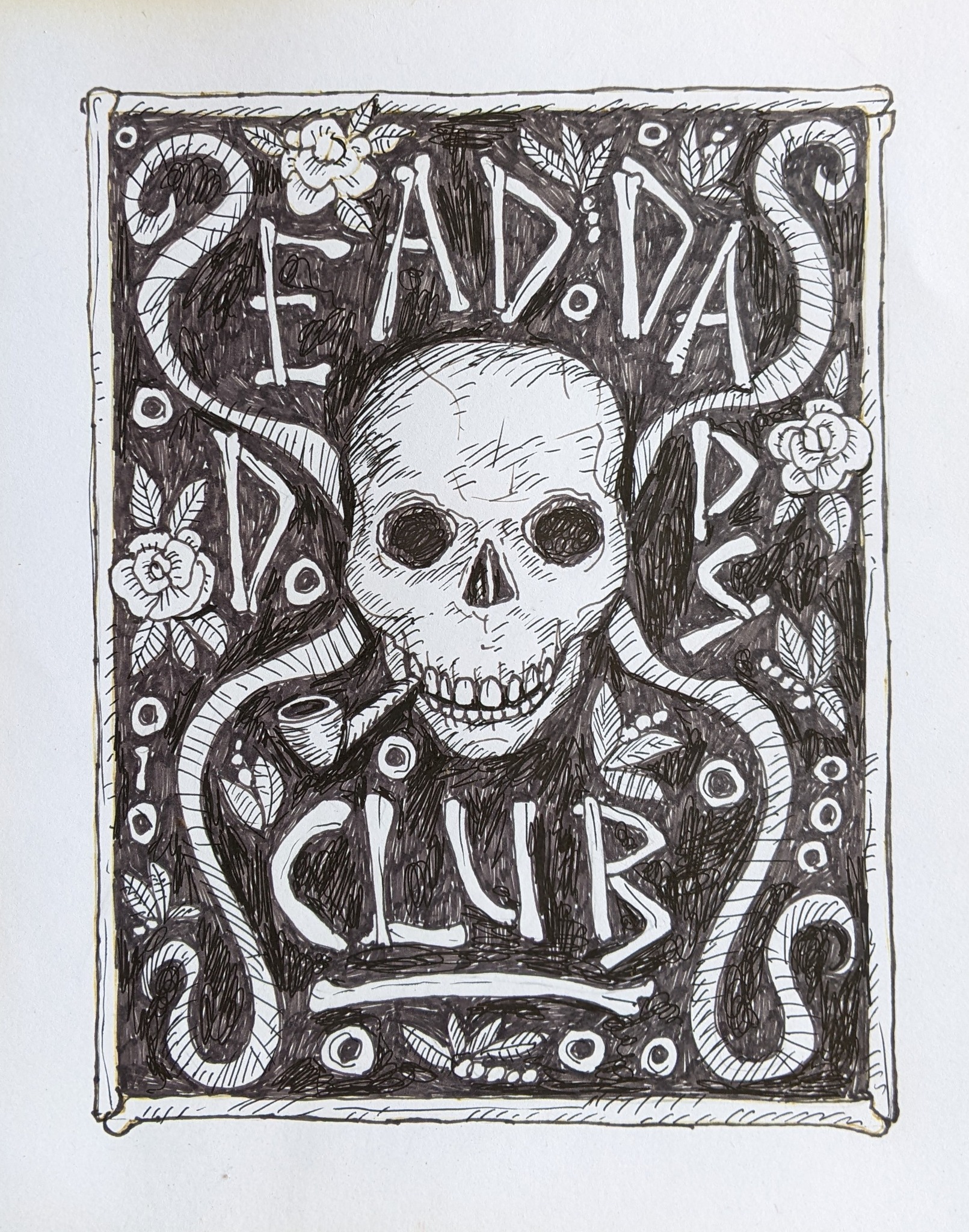
The Dead Dad’s Club was invented by Karl Larson. David went through training and qualified to make videos for broadcast on Channel 10, Raleigh’s public access station. His video starring Karl and others about the club was banned from broadcast for lewdness ( the urination of Peter E off camera during the filming) but represents an excellent history of the event. Alan B posted the video here.
The annual party was attended only by people who had lost their Dad. David’s Dad died at age 50 (David told friends he thought he would die at the same age). David made a card for some of the occasions.
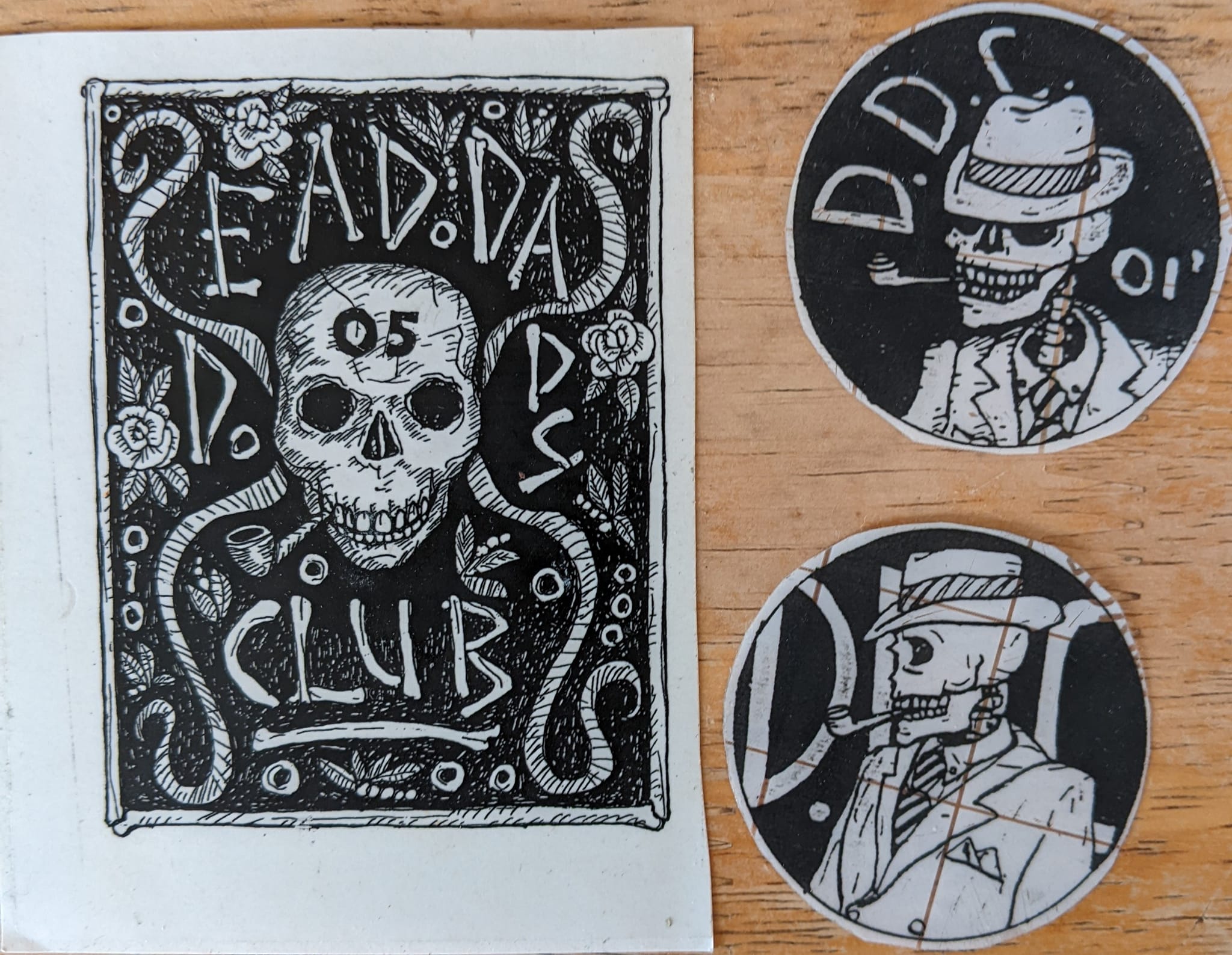
from Alan B DD stickers
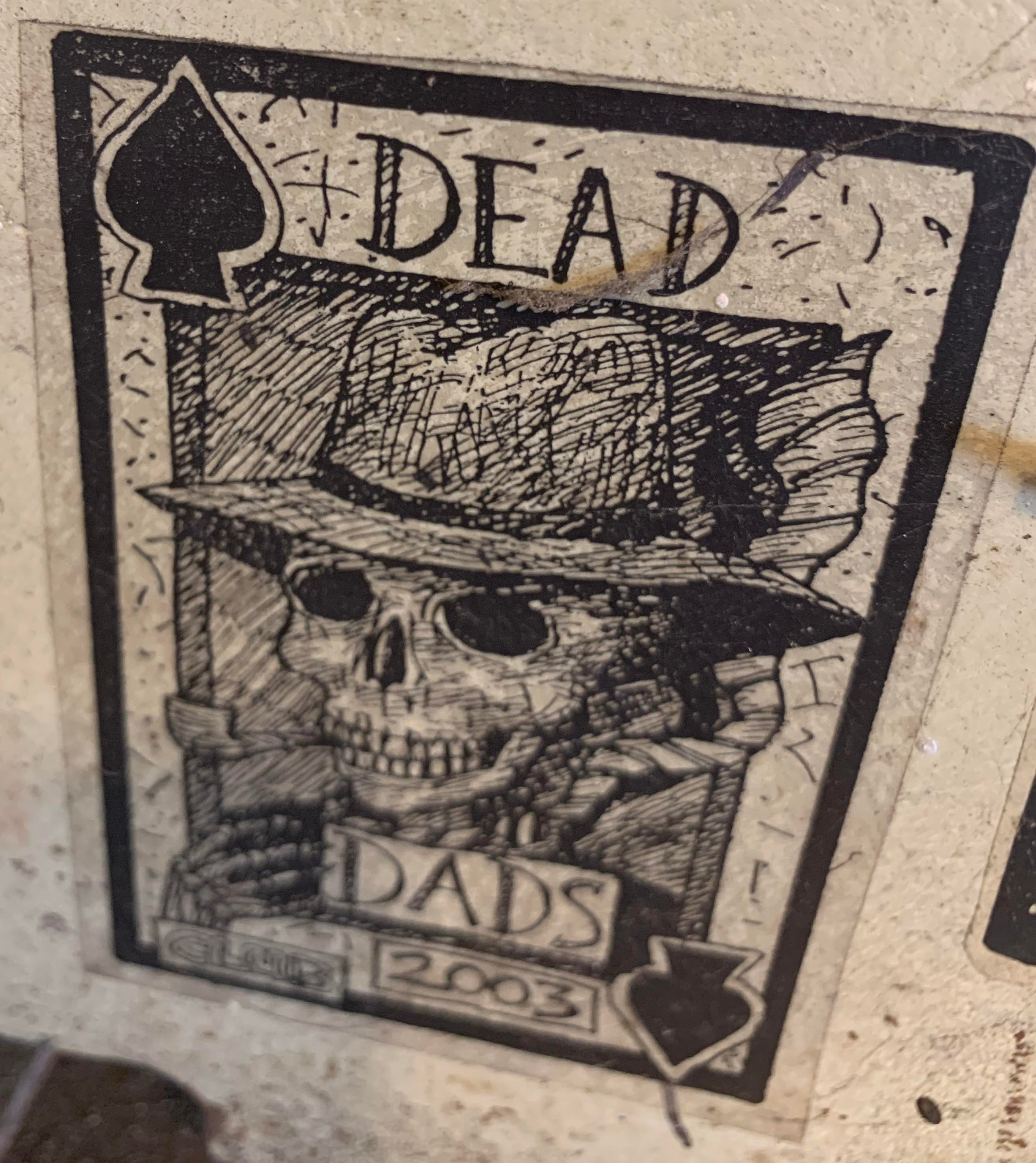
from Bill H
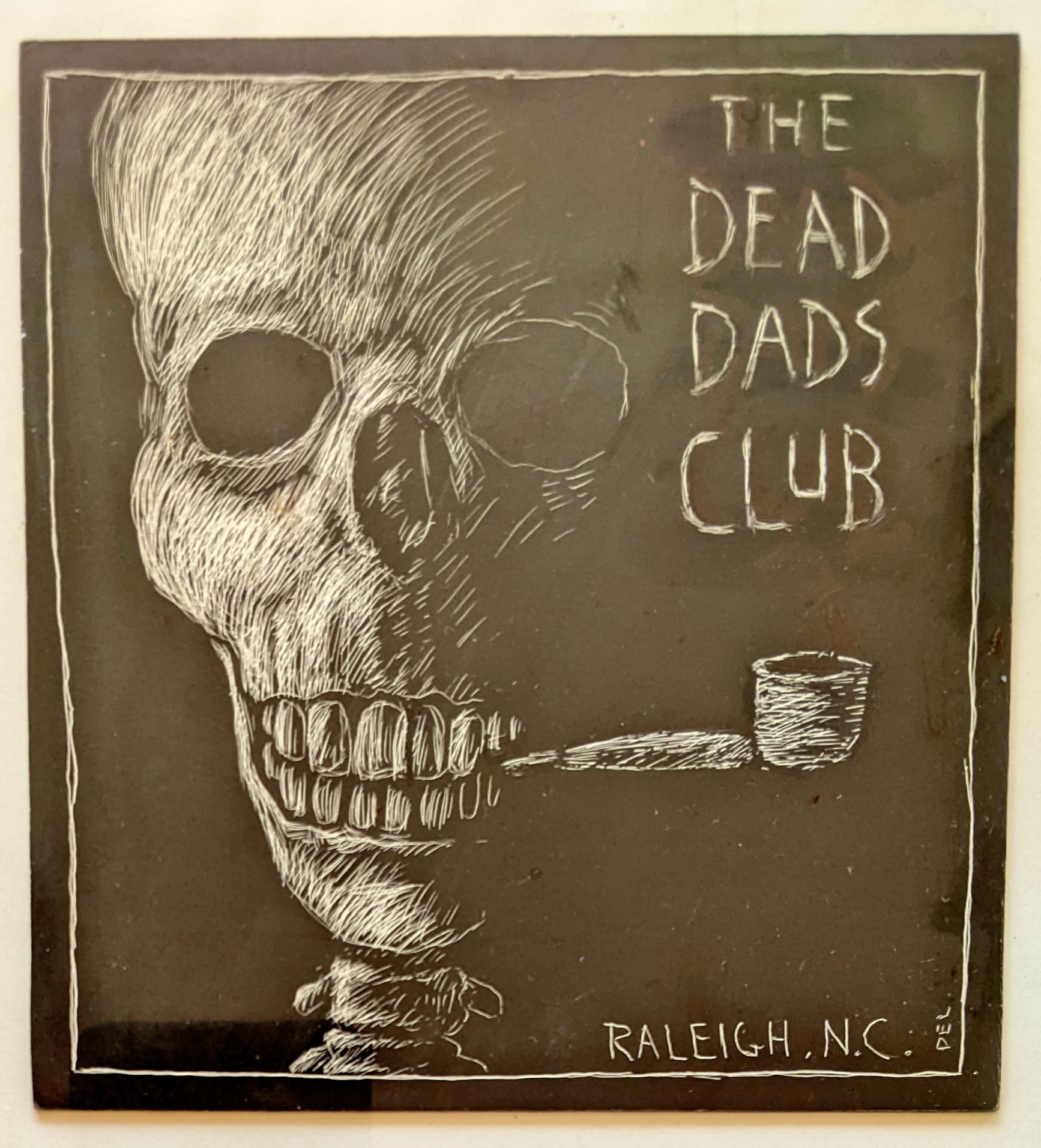
from Sasser Street
**************
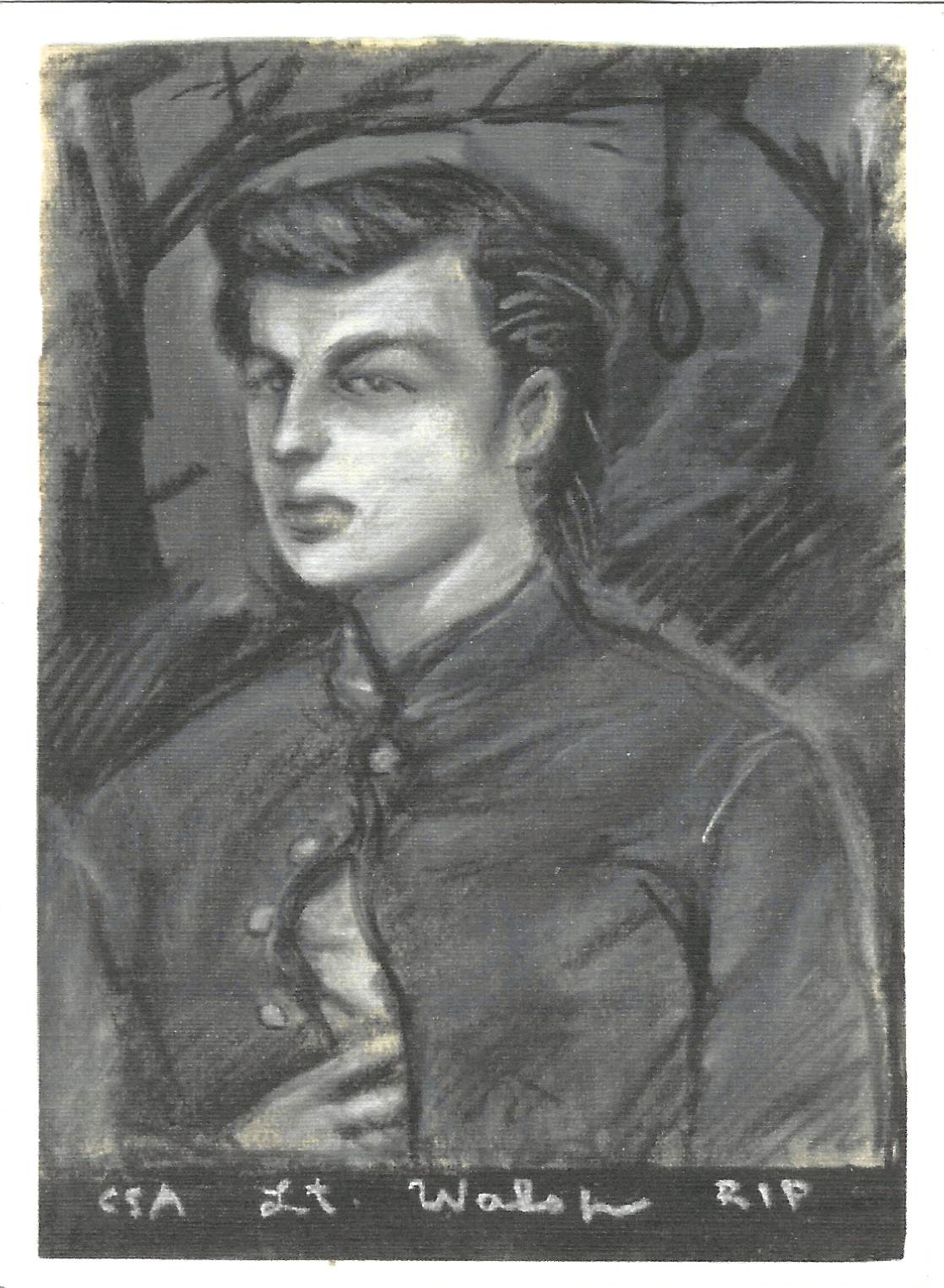
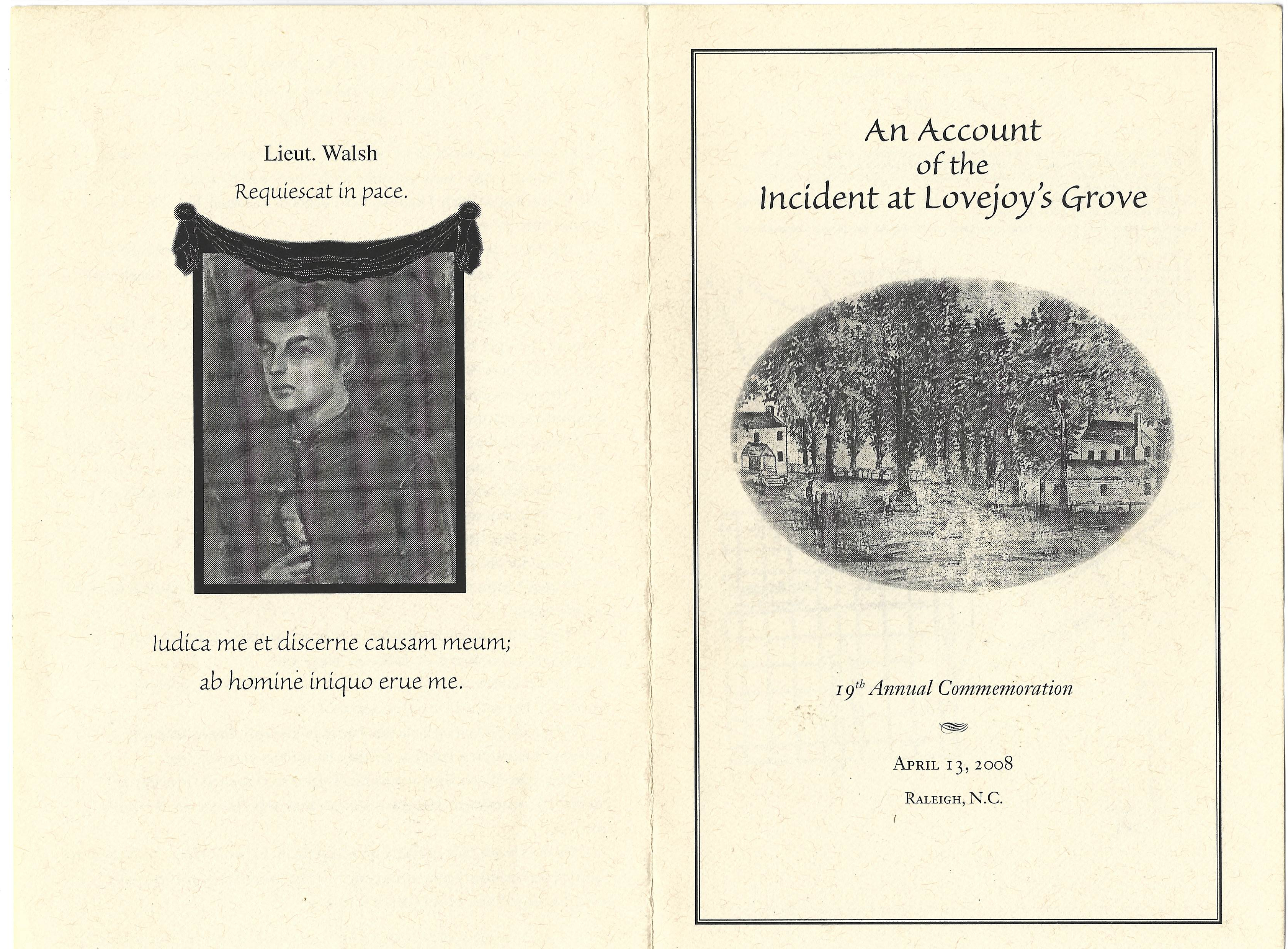
Lt Walsh was a Confederate soldier who, perhaps in a drunken angry mood, fired on the delegation of Union officers entering Raleigh to accept the city’s surrender. He was captured and hung at a spot in Oakwood near the Side Street Cafe. His grave is prominent in Oakwood Cemetery, and Karl Larson, a fervent local historian, made adorning his grave a special and sometimes large event every April 13th for over 25 years. David’s portrait was used in the elaborate brochure made for year nineteen.
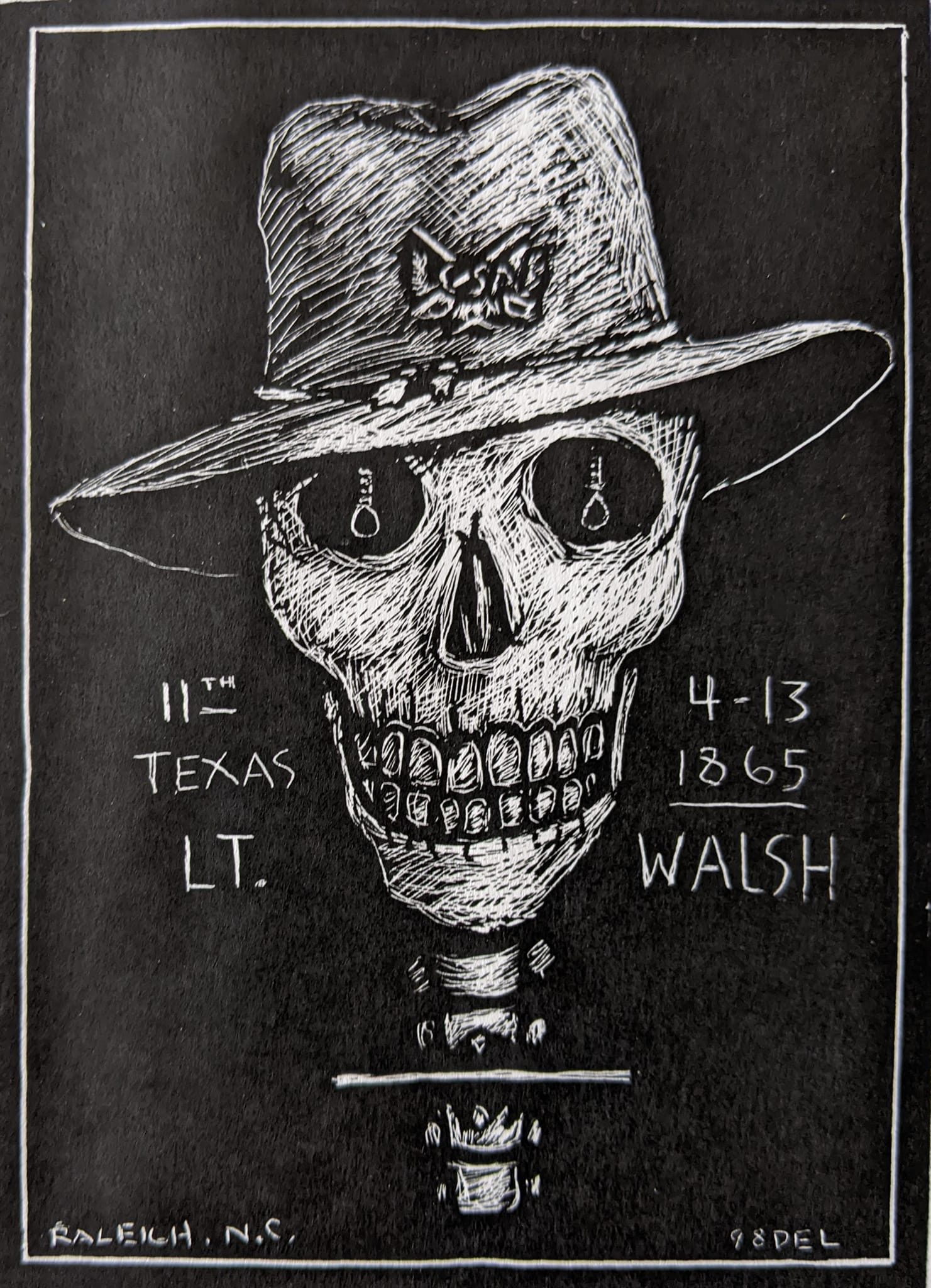
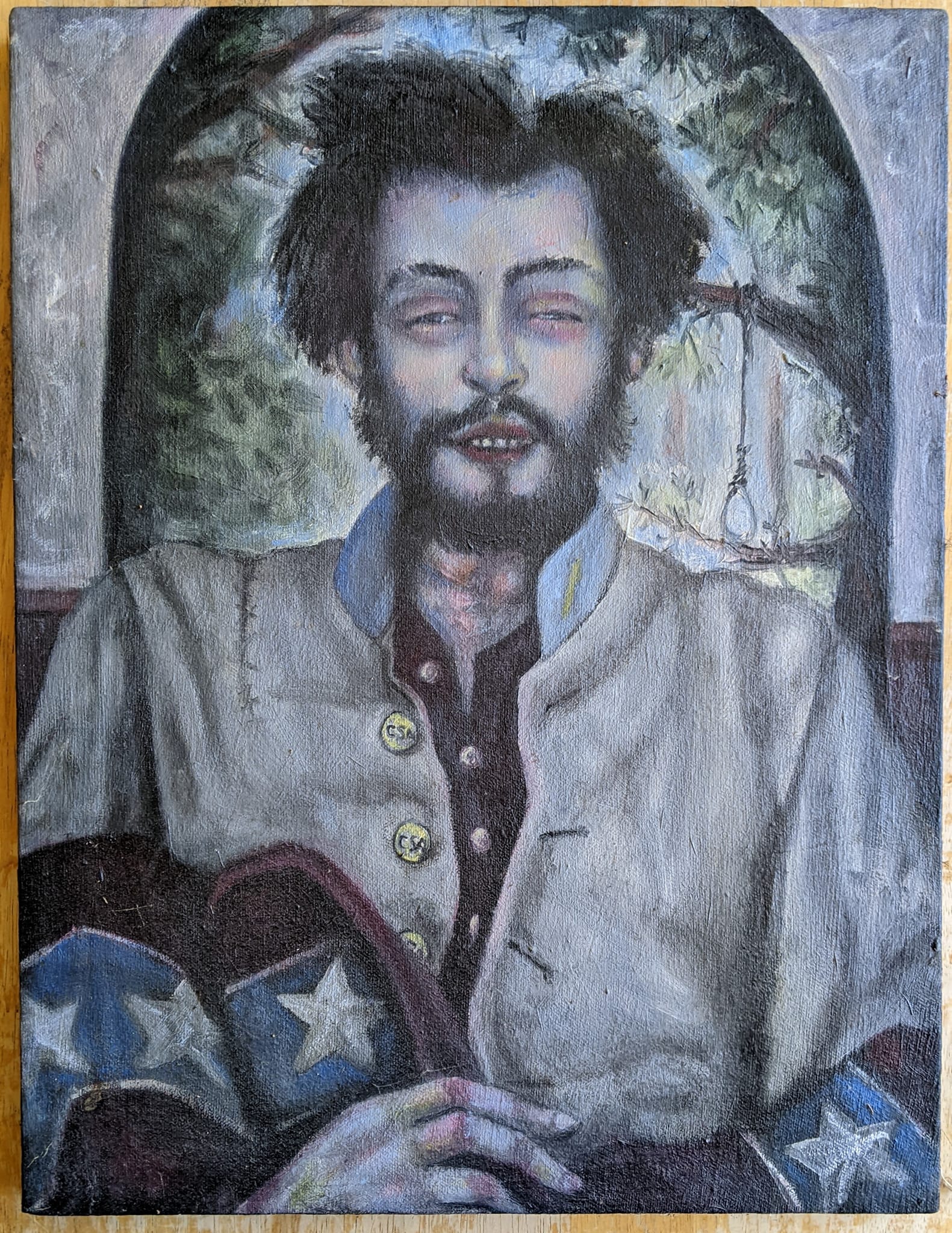
from Sasser St
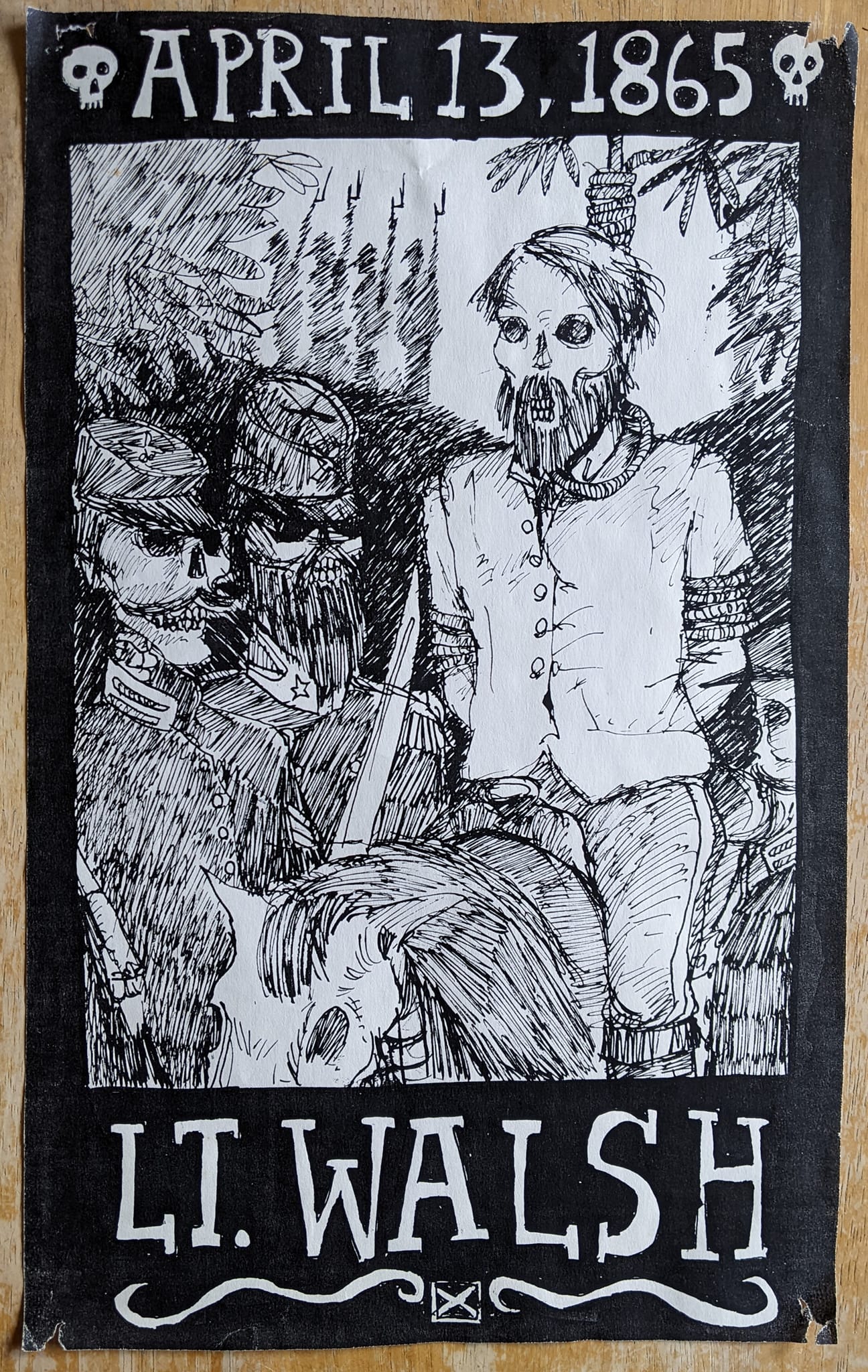
from Sasser St
***********
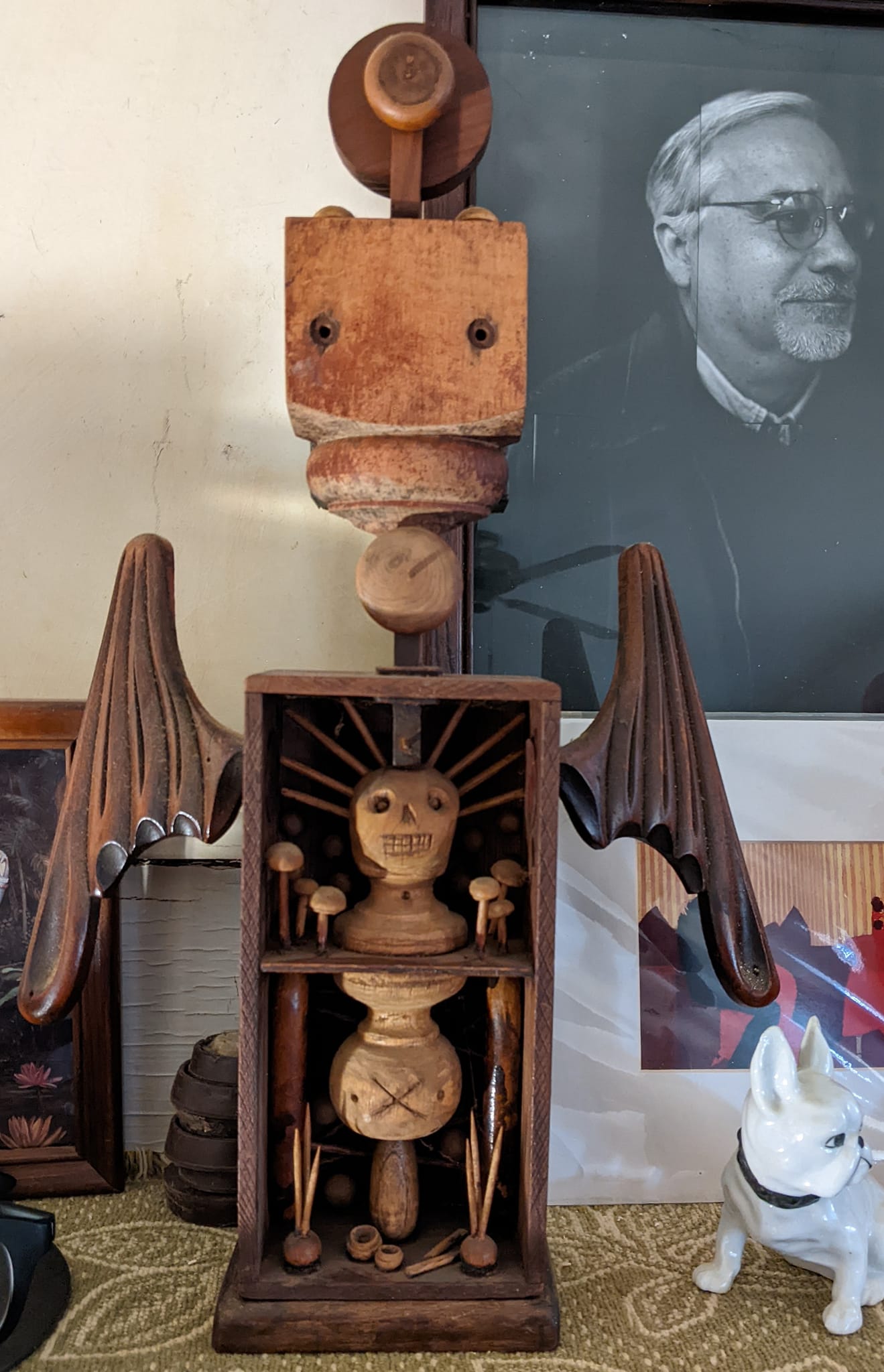
Karl Larson was a Raleigh legend in his own right and he as well as his hospitable house on Sasser were an important part of David’s life. Karl’s unique take on history was evidenced as far back as high school, when Steve, my classmate, would intimate stories of midnight readings of Poe in City Cemetery. A few years later, he made his claim to fame with an elaborate, well documented funeral for the original Boylan Avenue Bridge, which was torn down amid concerns for the continued existence of Boylan Heights as downtown and its throughways grew. He is seen below with Kathryn Myers at the ceremony.
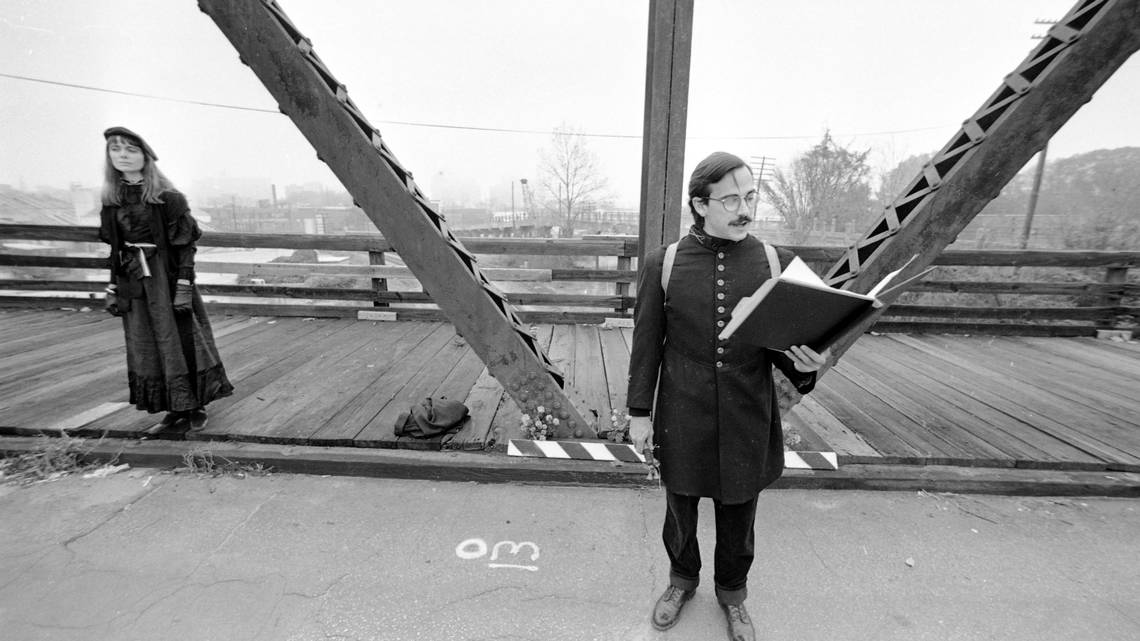
lovingly appropriated from the News & Observer
Karl had a fine career as graphic designer and publication manager at NCSU, but his reverence for local history blossomed late in life with a post-retirement job as archivist for the state and especially with his magnificent accomplishment in leading the effort to restore Joe Cox’s Light Wall on the side of the NCSU Library. He also became a beloved part of a local scene blog call Goodnight, Raleigh.
“Raleigh Boy” posts on Goodnight, Raleigh
Karl’s M.A. thesis on the history of Segregation in Raleigh
Remembering the Man Who Remembered Raleigh
BY NED BARNETT
************
David Larson survived Karl and his brother Steve, but not by much and now Phil Larson is left with the loss of all three brothers in a few short years. Steve’s dog Dup was a favorite subject for David, and below are some images contributed by some of the many people who have shared their art on these posts. Thanks to all, and love you some DEL!
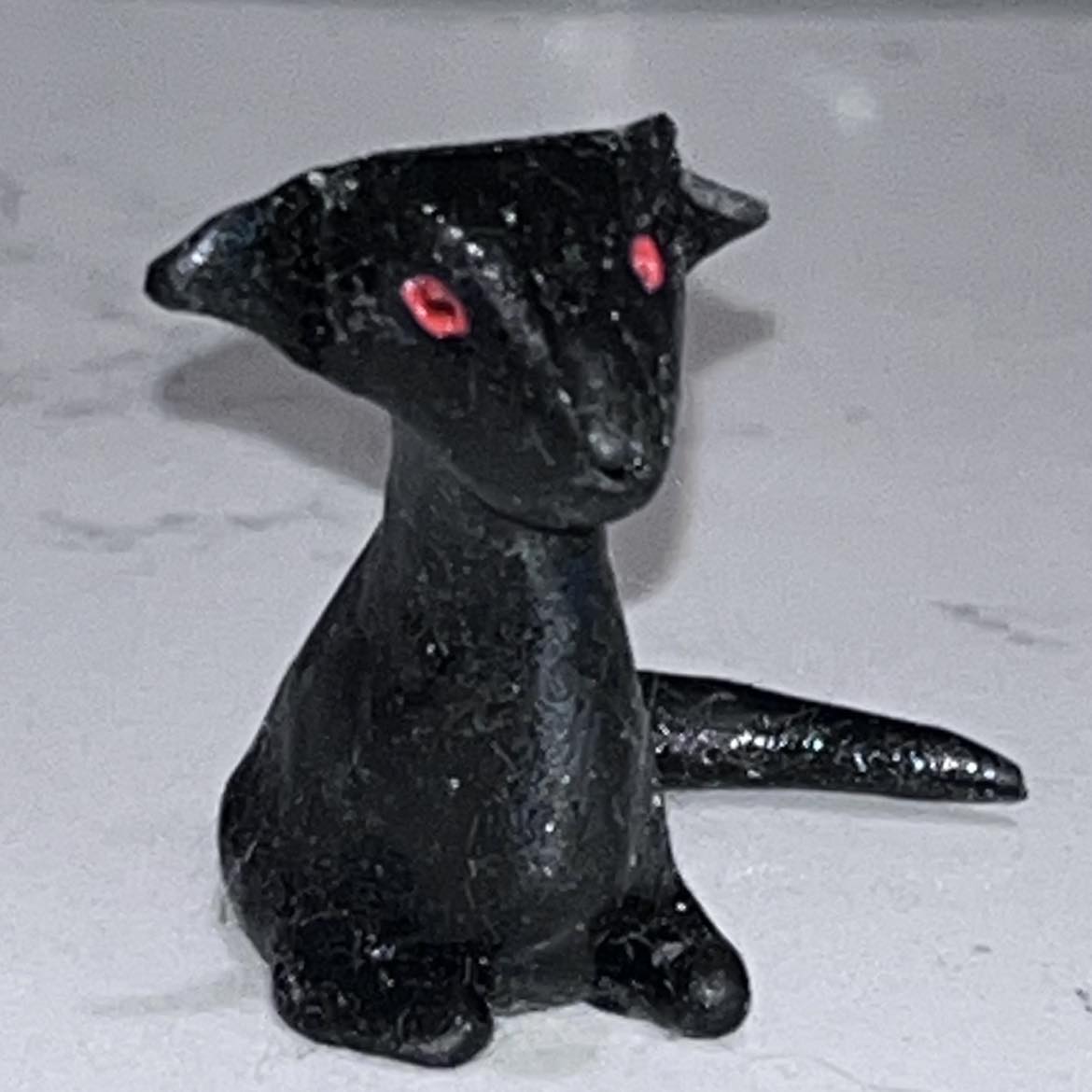
from Lura L.
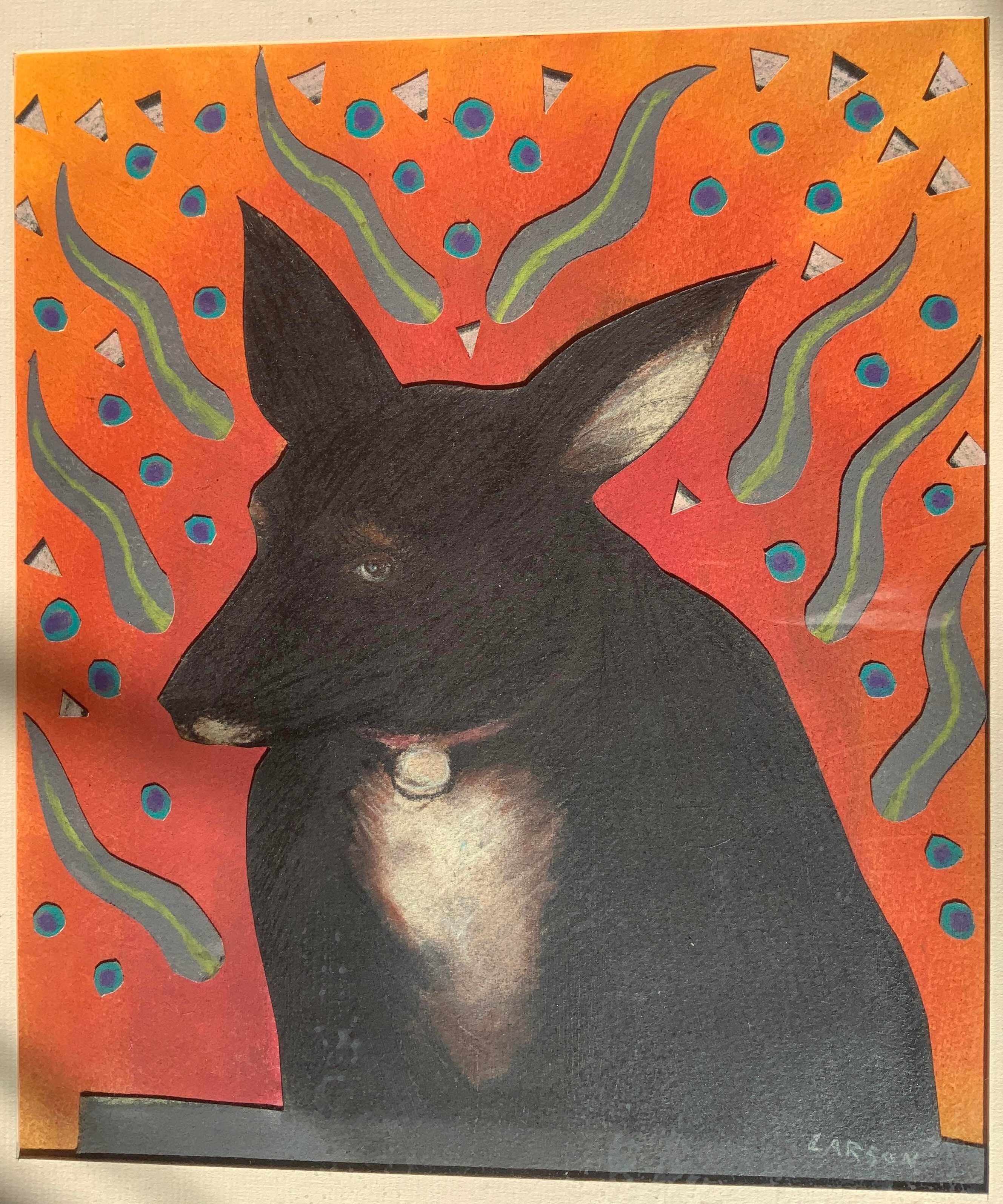
from Mary R (cut-out with collage)
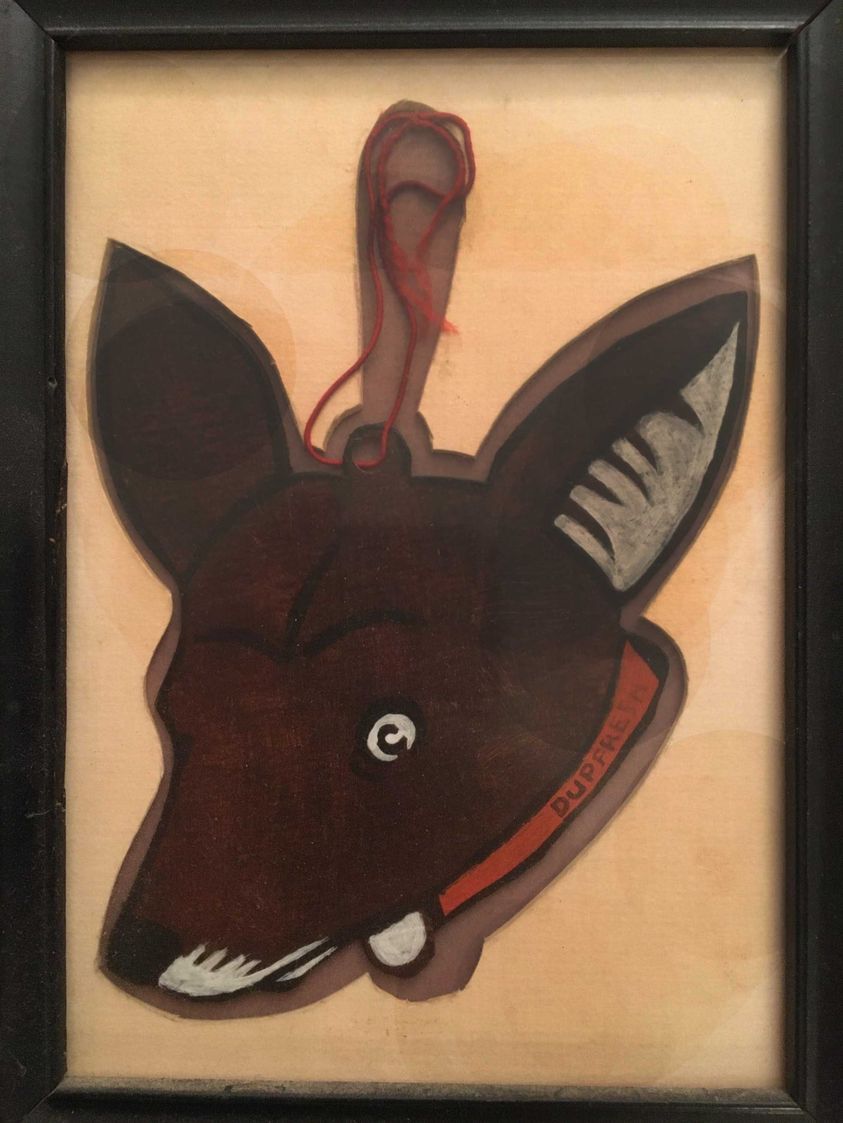
from Mark H
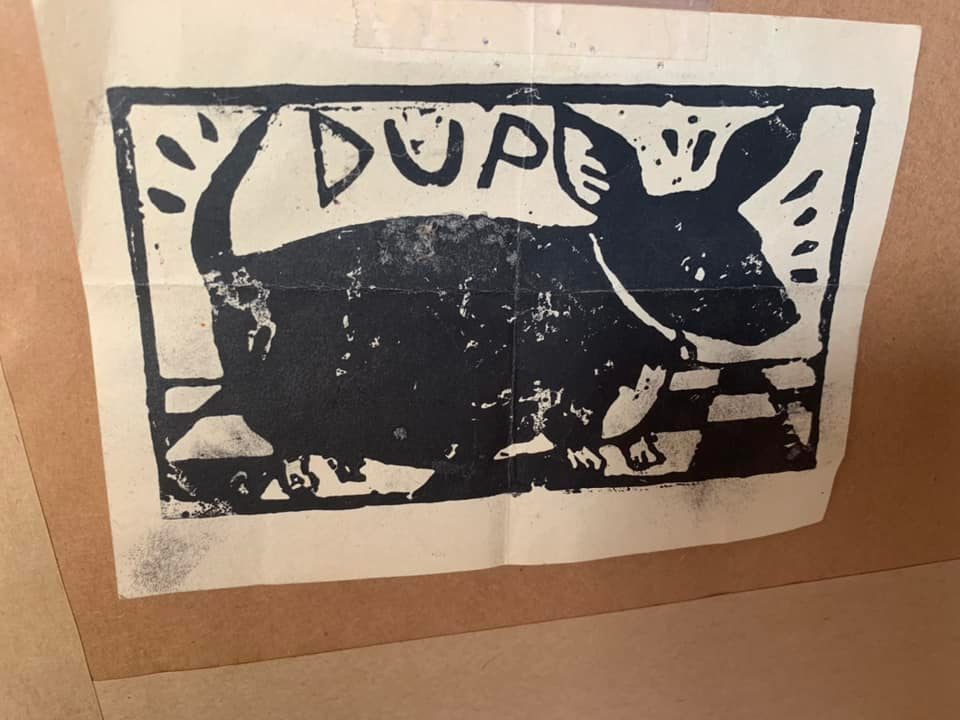
from Jim D (linoleum print)
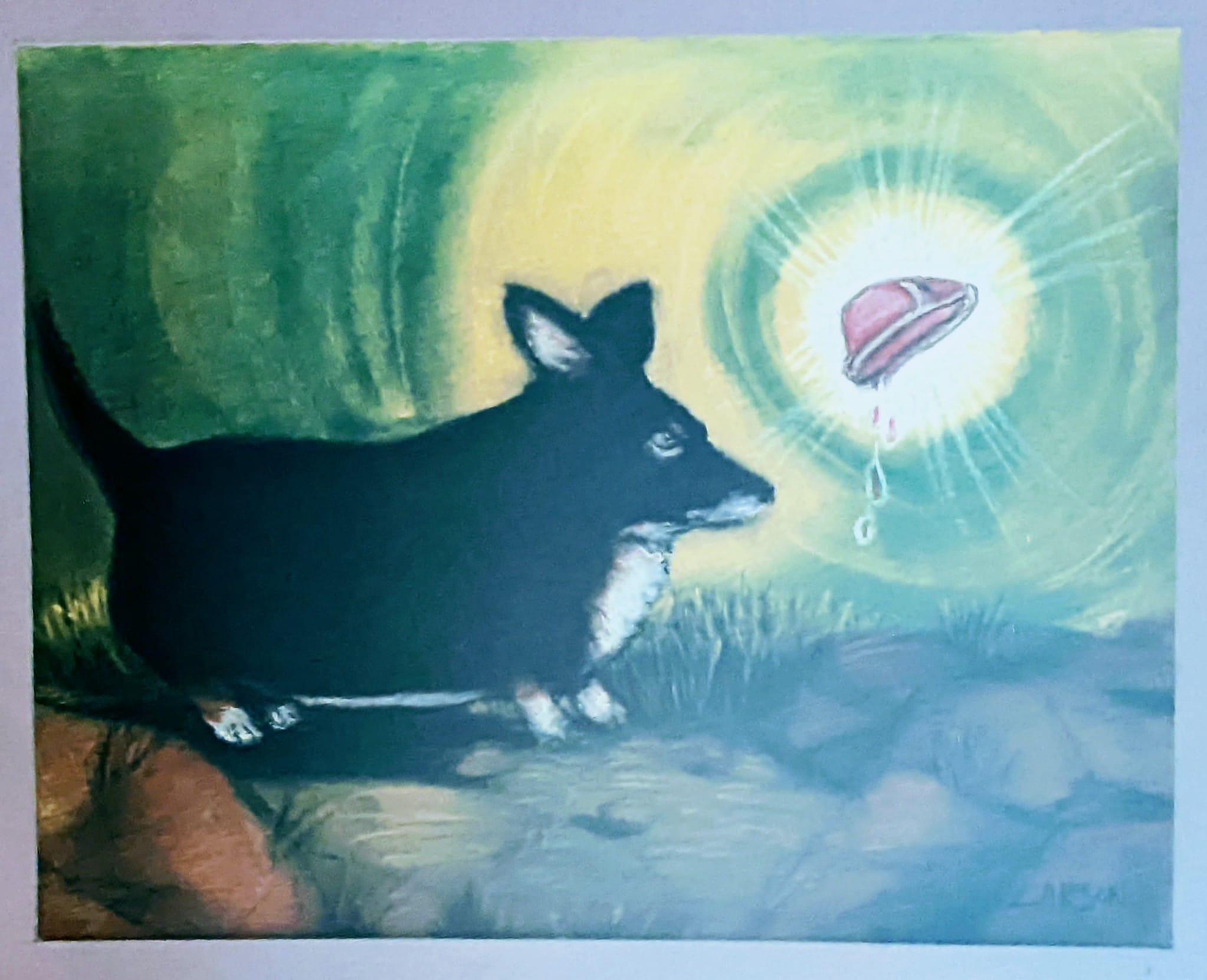
from the Sasser Street collection
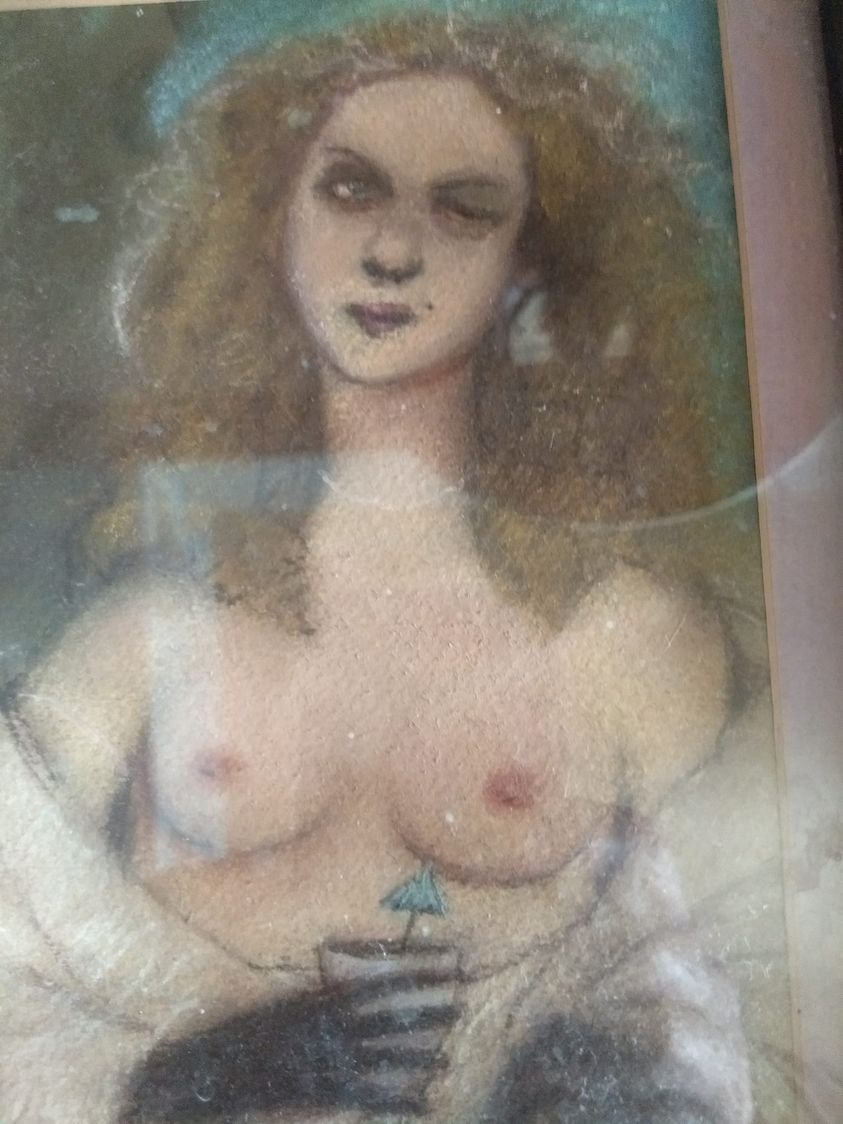
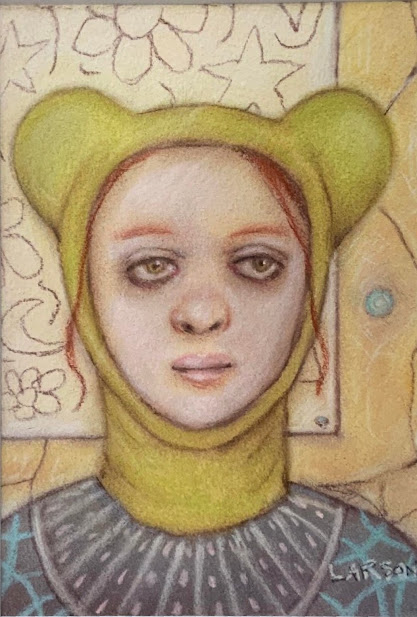
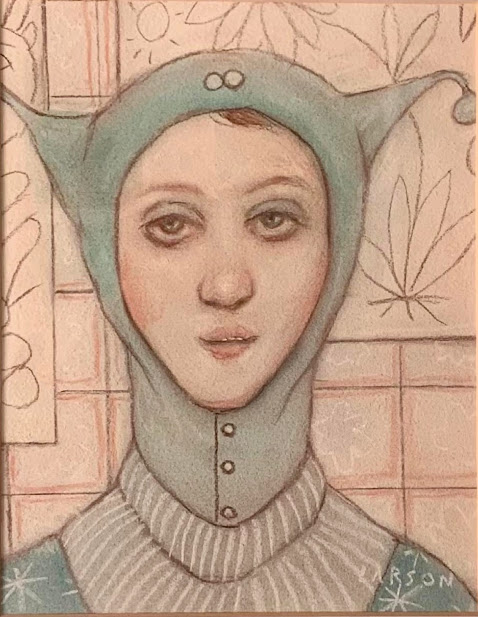
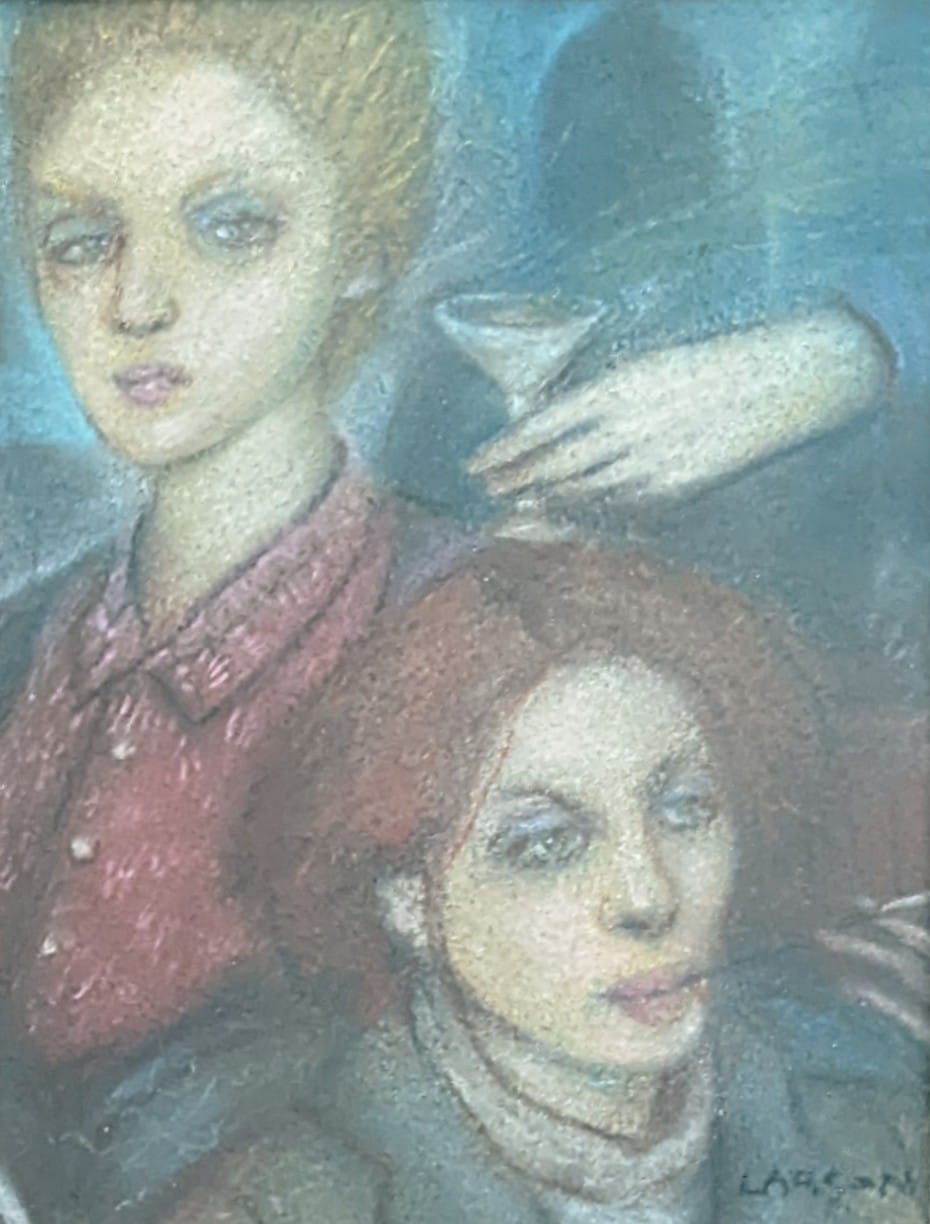
David Larson Pastels
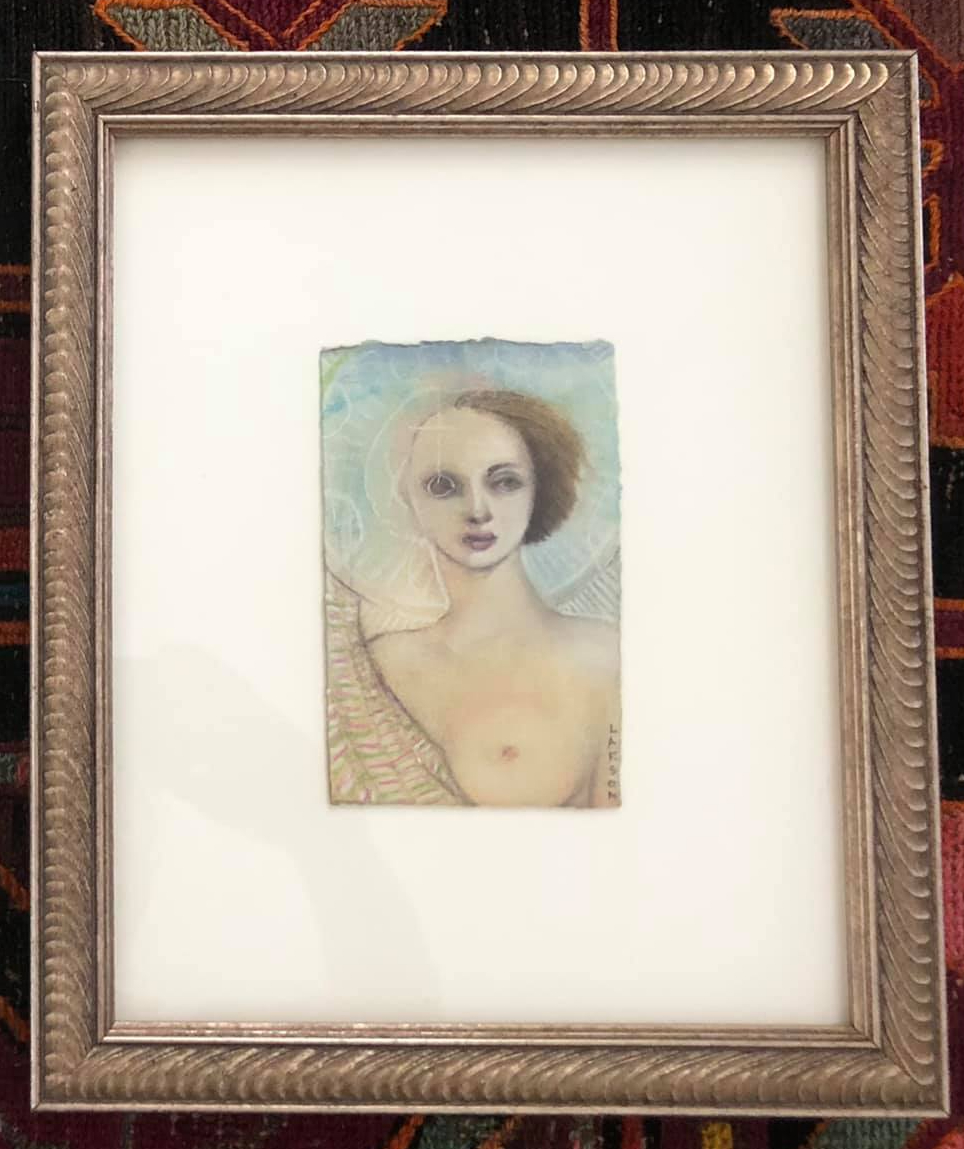
Shawn B’s first piece of purchased art
Here is the heart of the collection, not only in number but the many people for whom theirs is a beloved part of their homes. David was productive and at ease with this form most of his life. We are blessed to experience them.
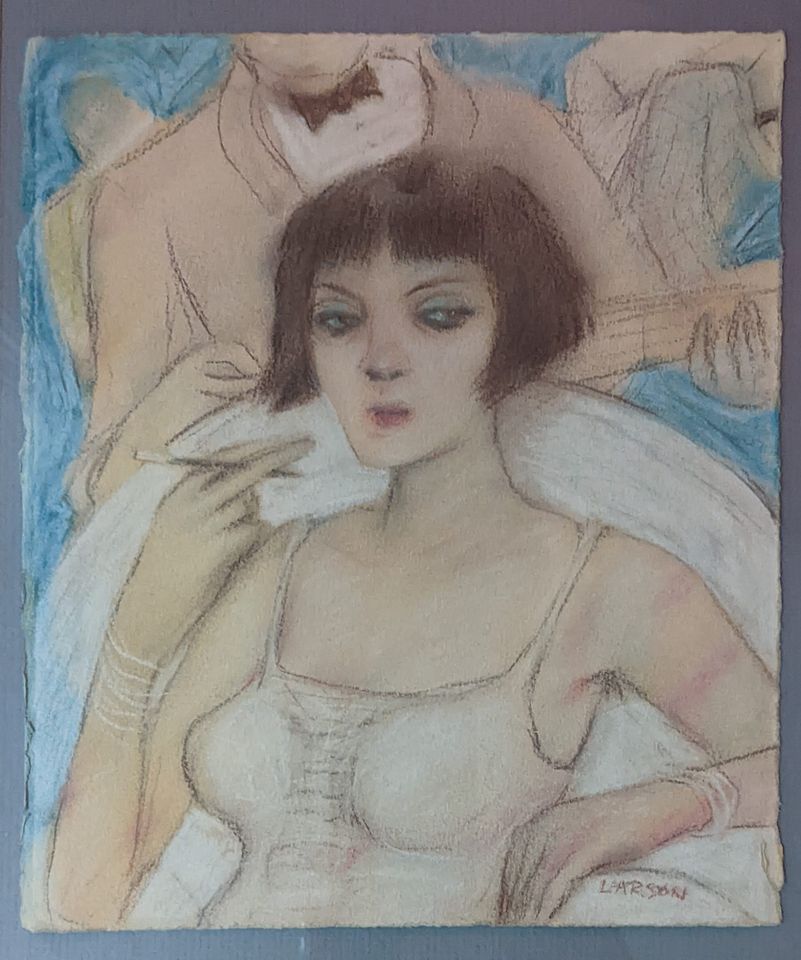
from Cindy O via Alan B
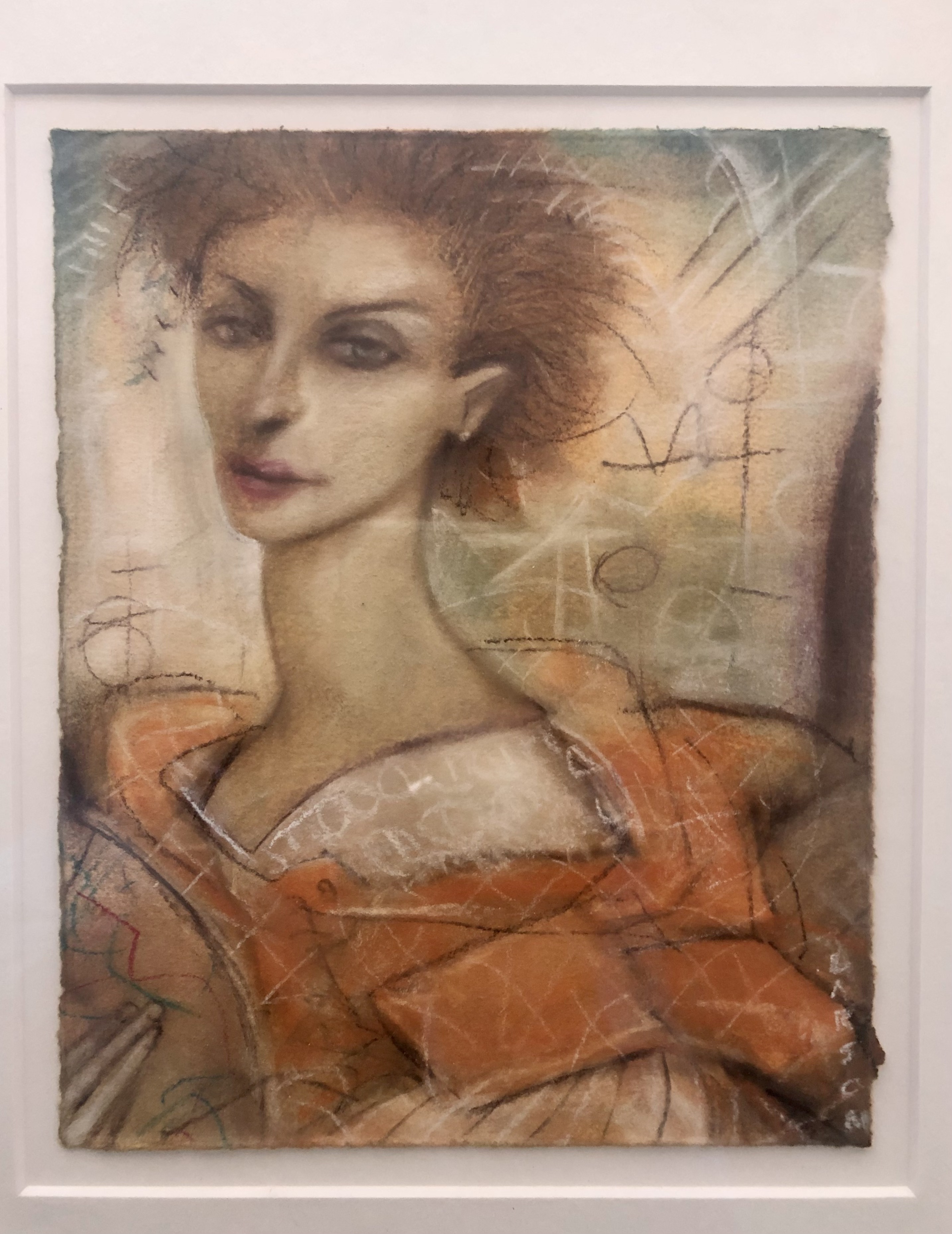
from Ann T
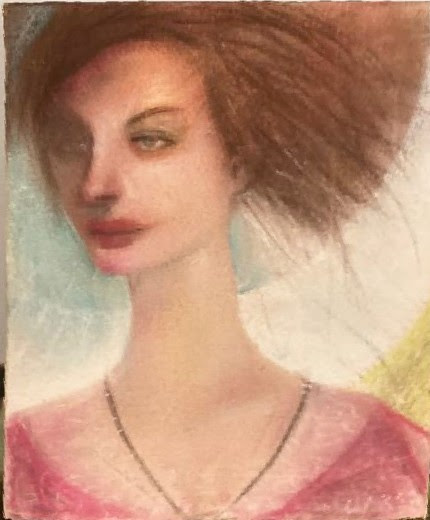
from Mark H
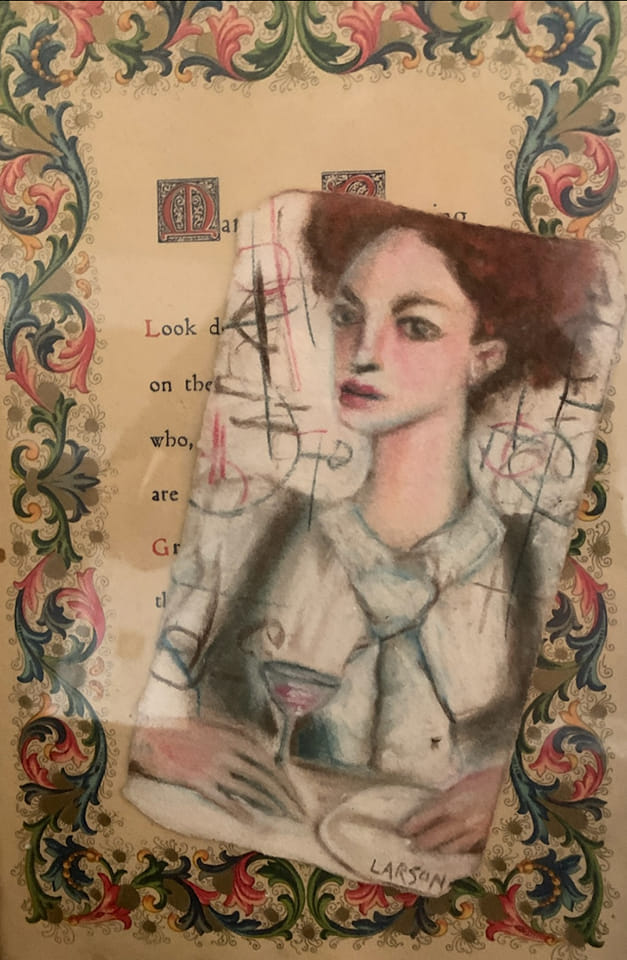
from David E
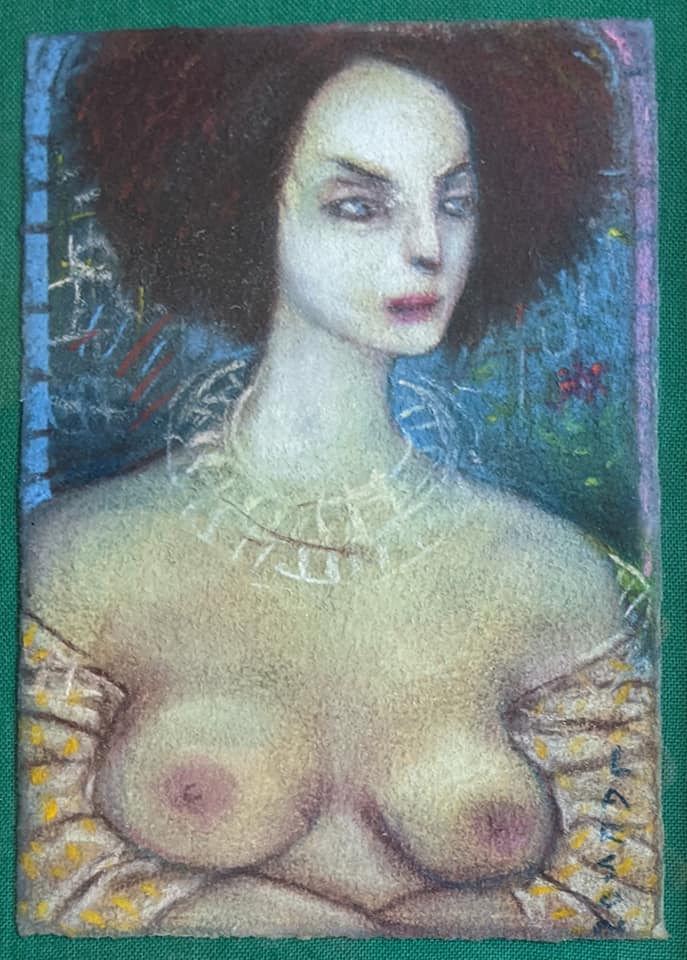
from Maryls de A
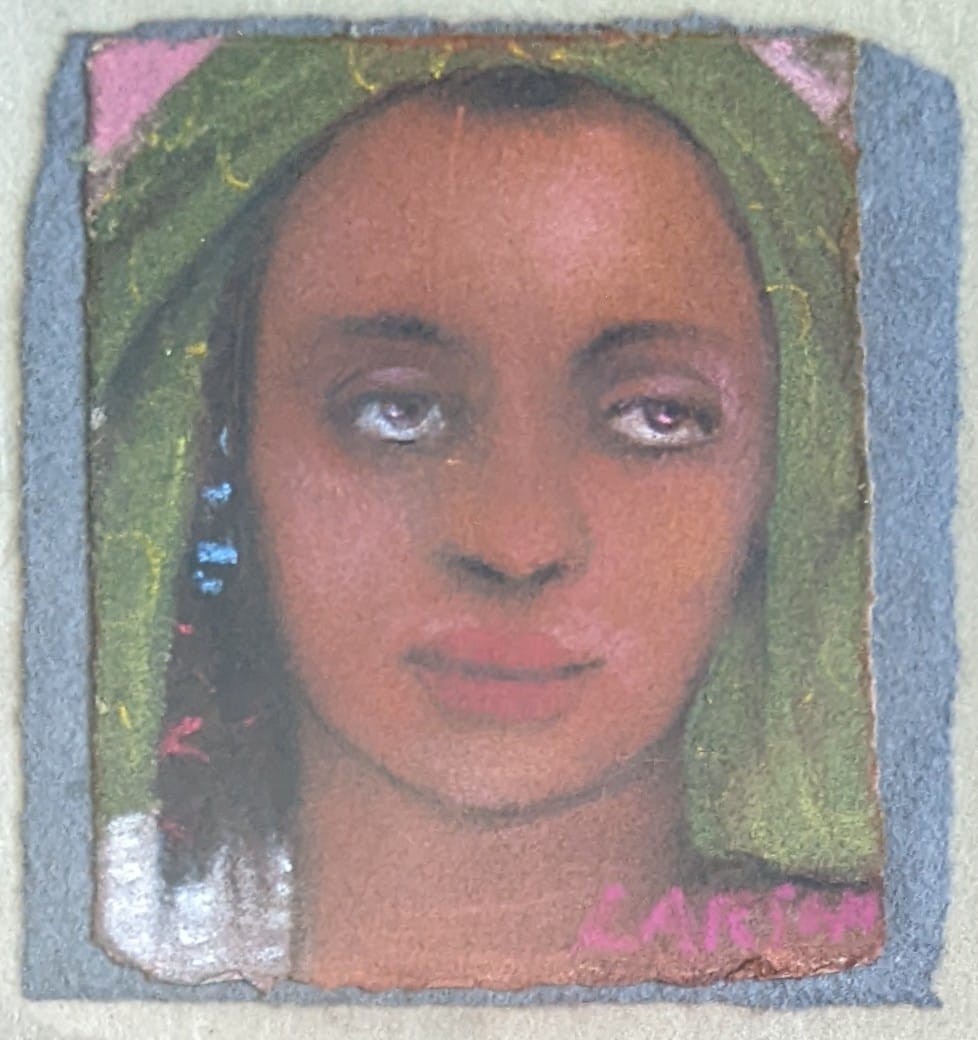
from Marlys de A
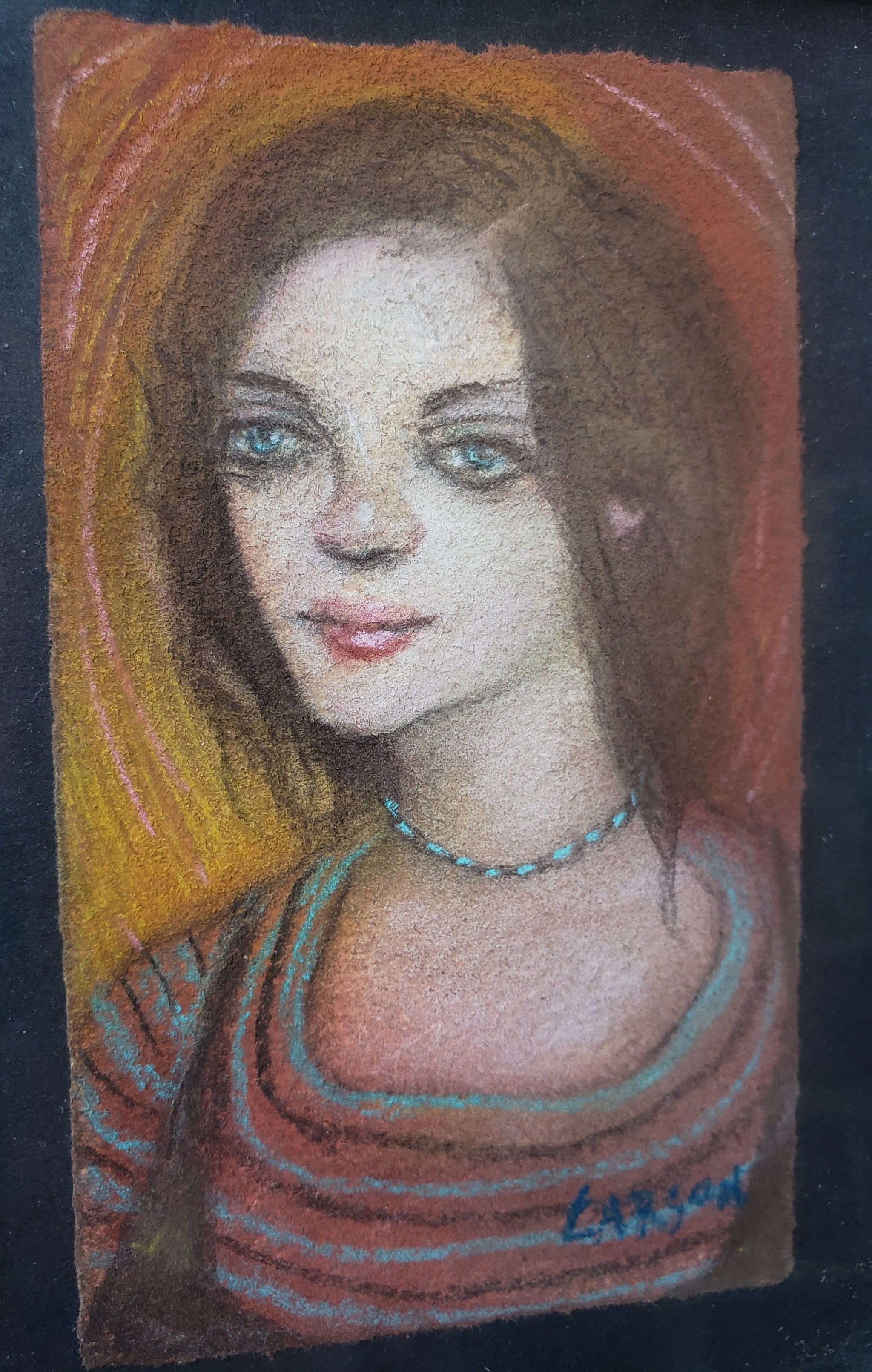
from Joy H W
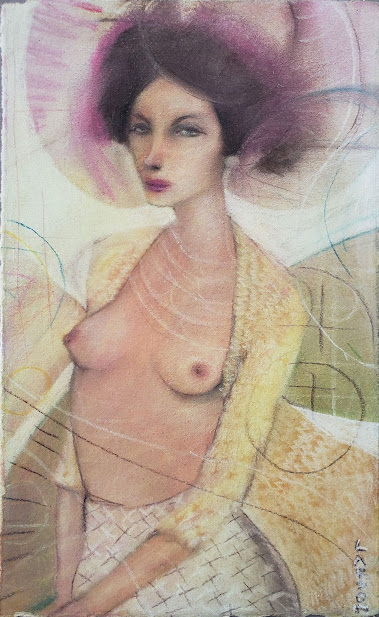
from Joy H
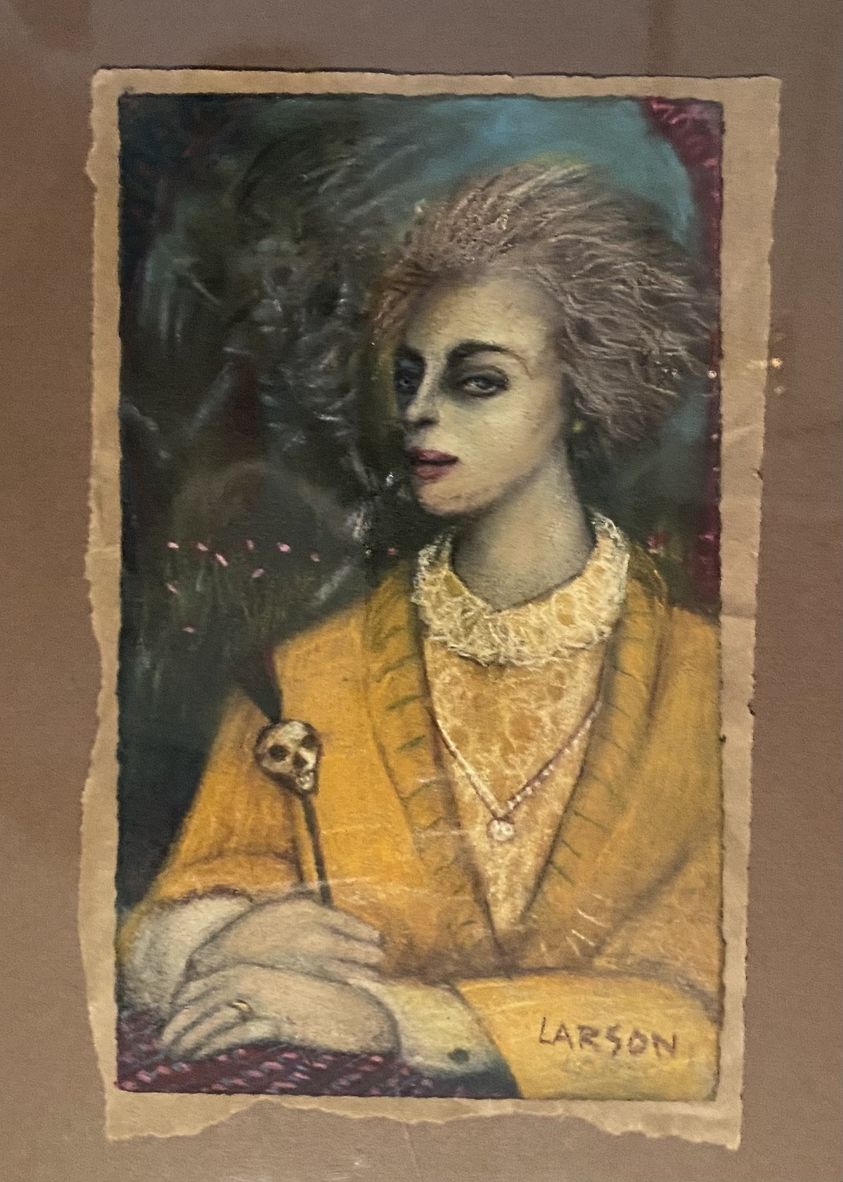
from Danny G
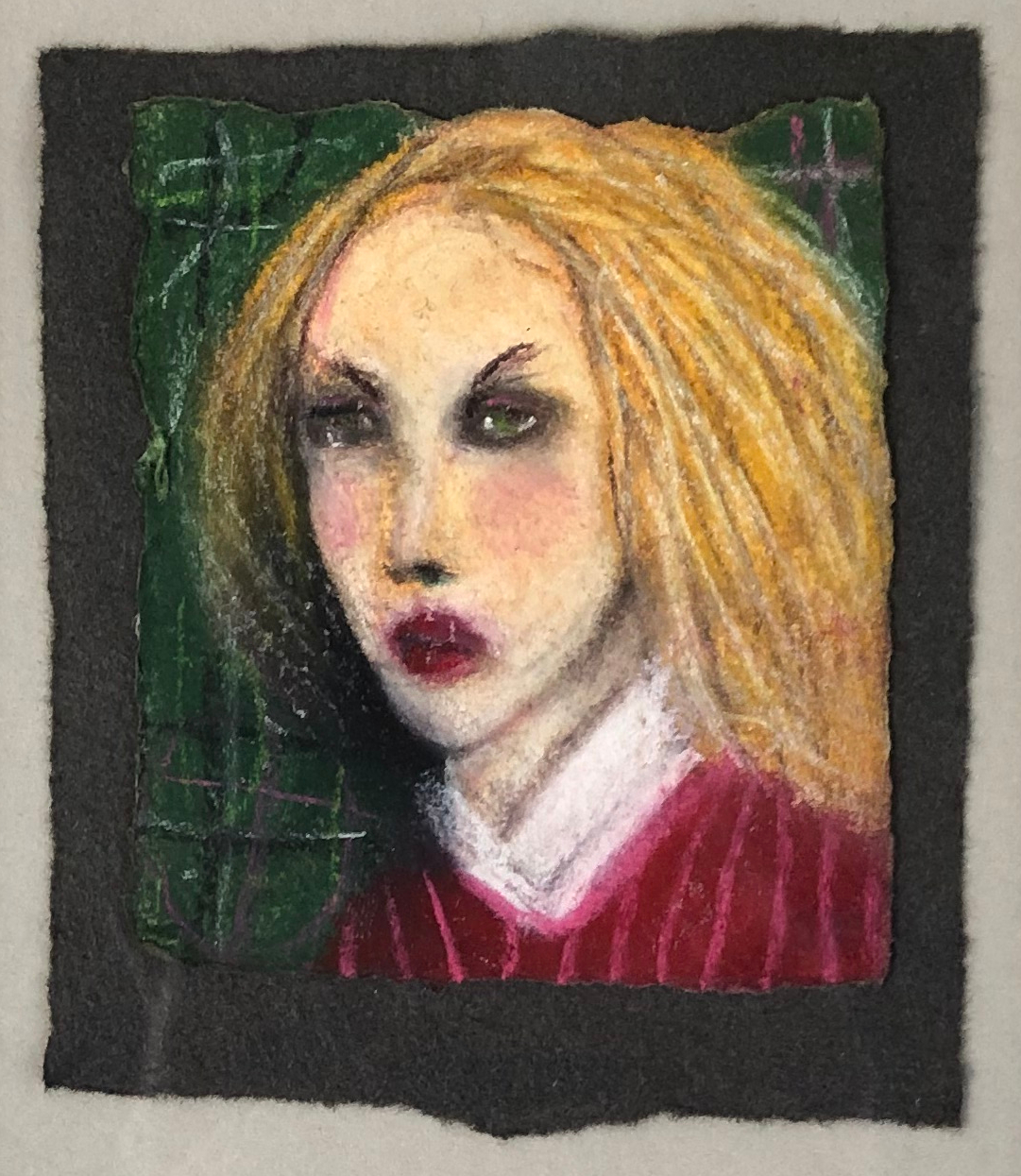
from Richard B
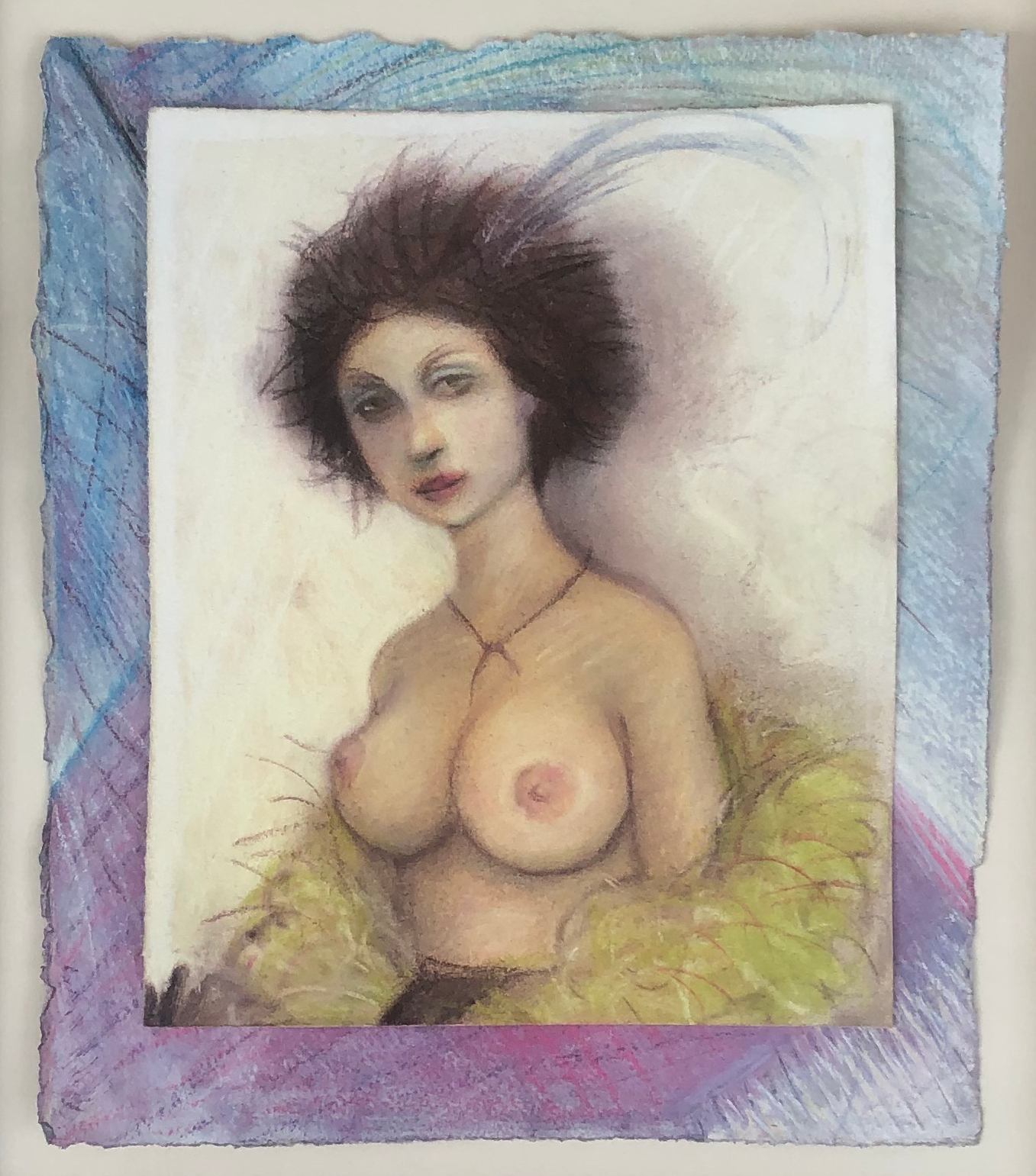
from Richard B
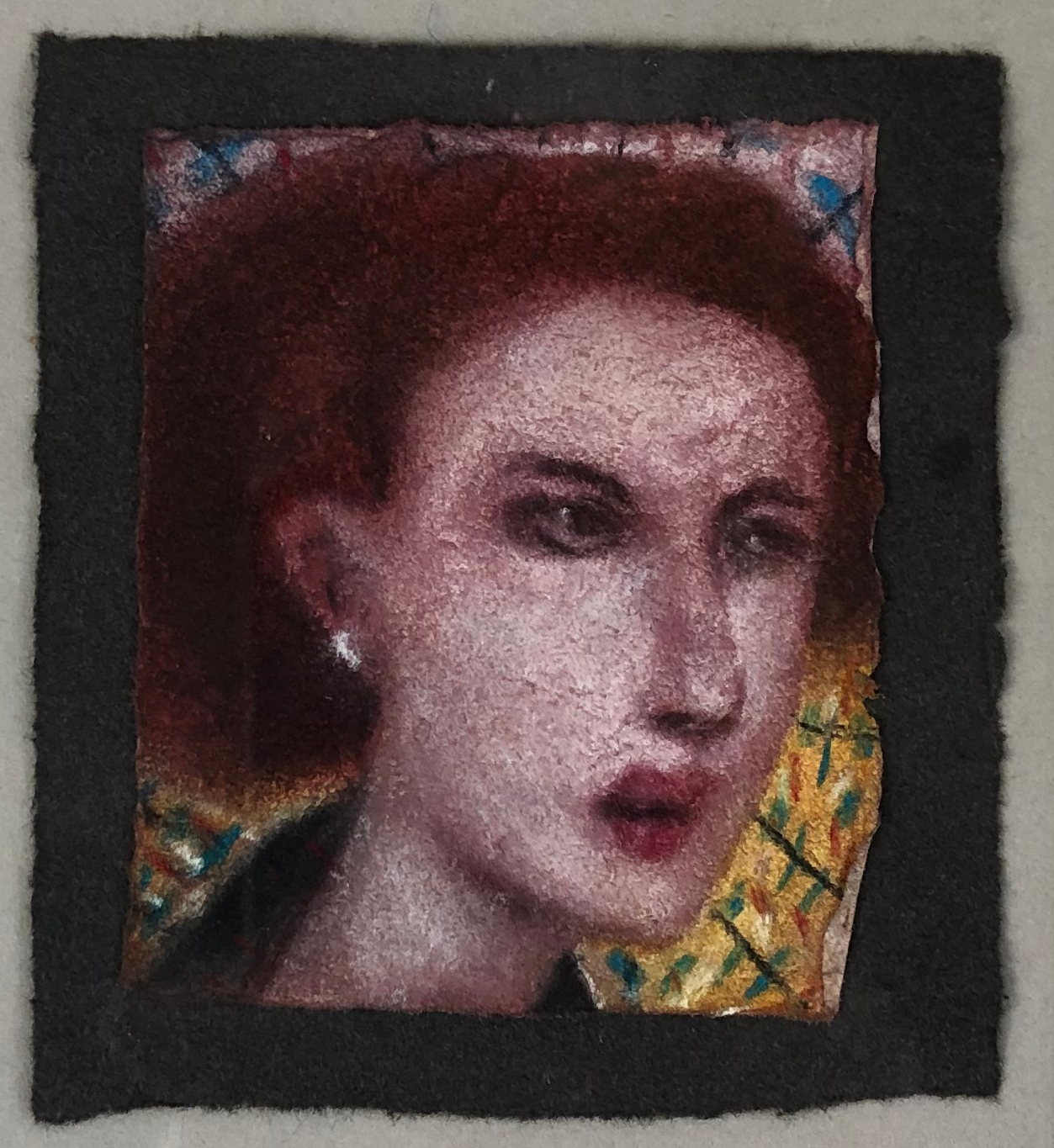
from Richard B
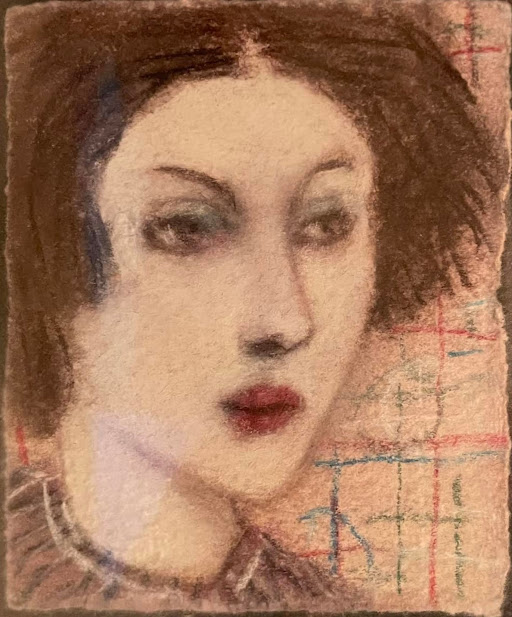
from Cheryl P
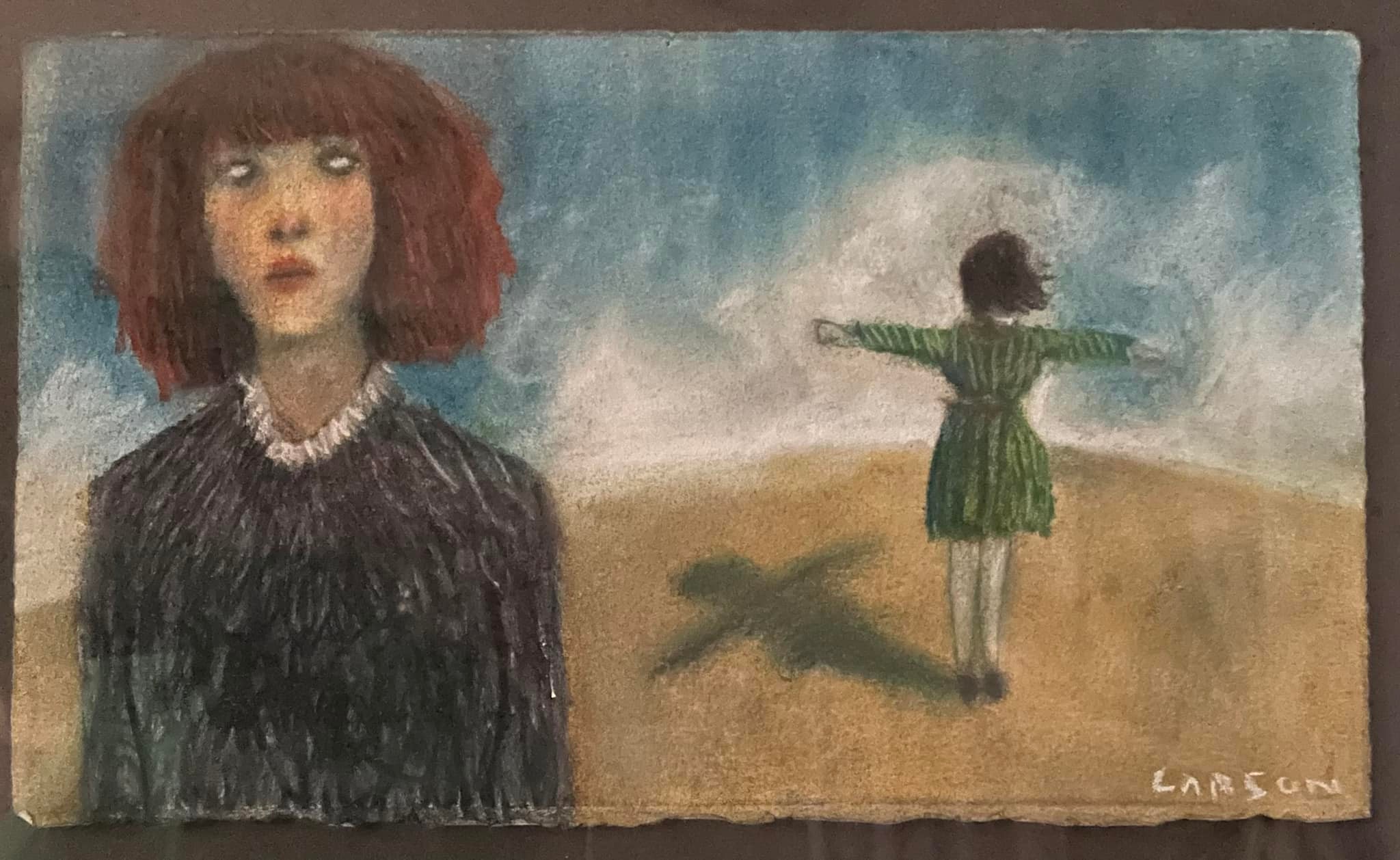
from Cheryl P
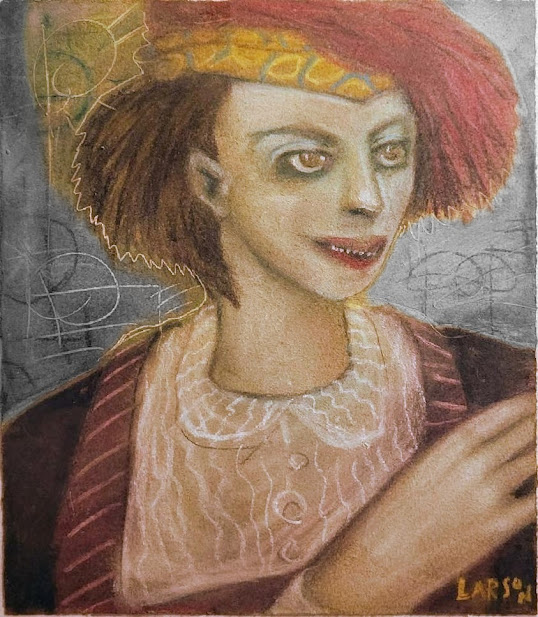
from Al & Jamie M
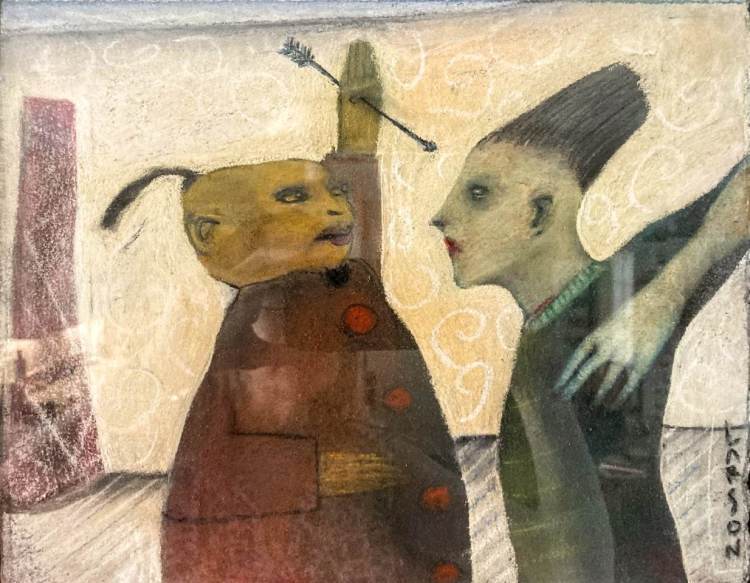
from Ron R
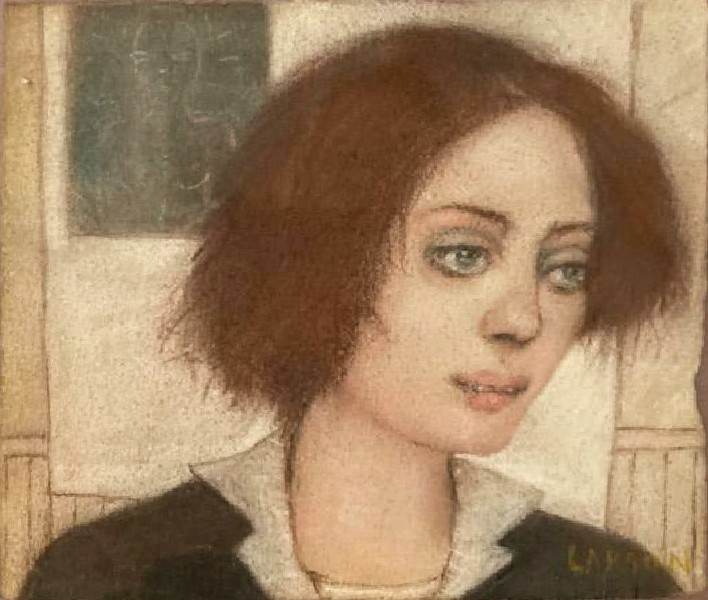
from Ron R
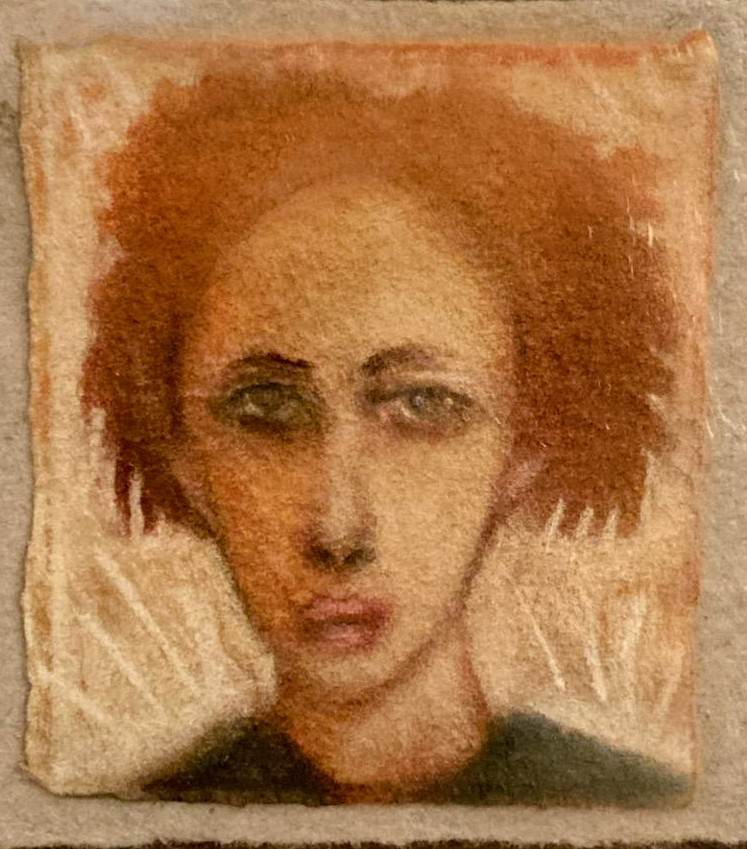
from Ron R
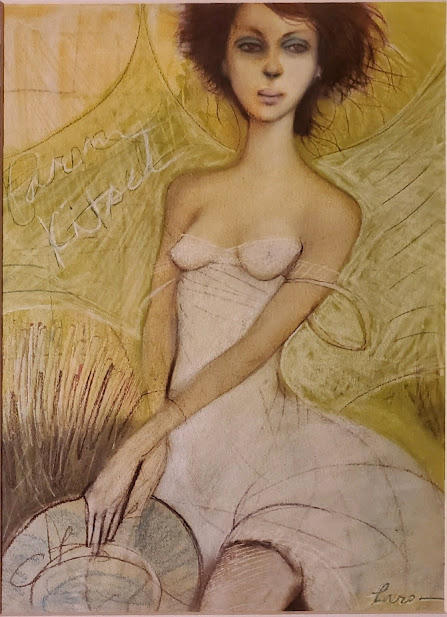
from Sherry M
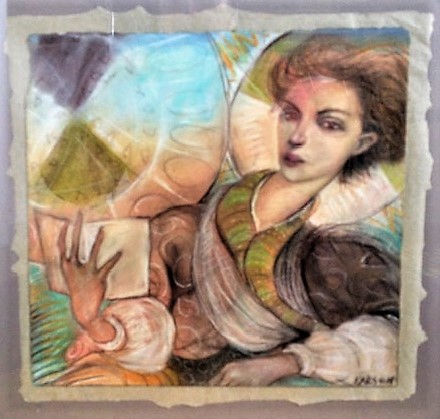
from Mary Anne H
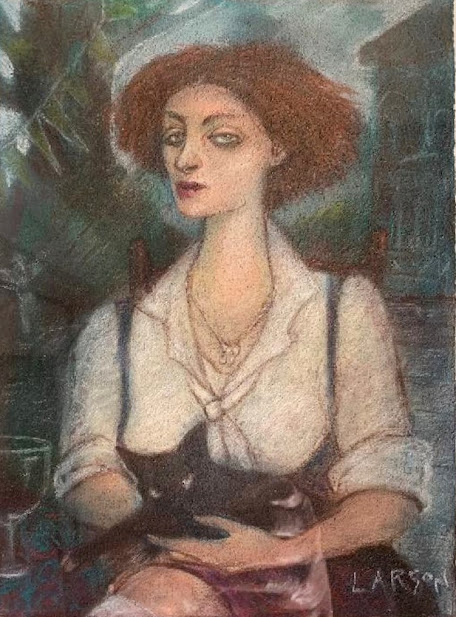
from Kim B
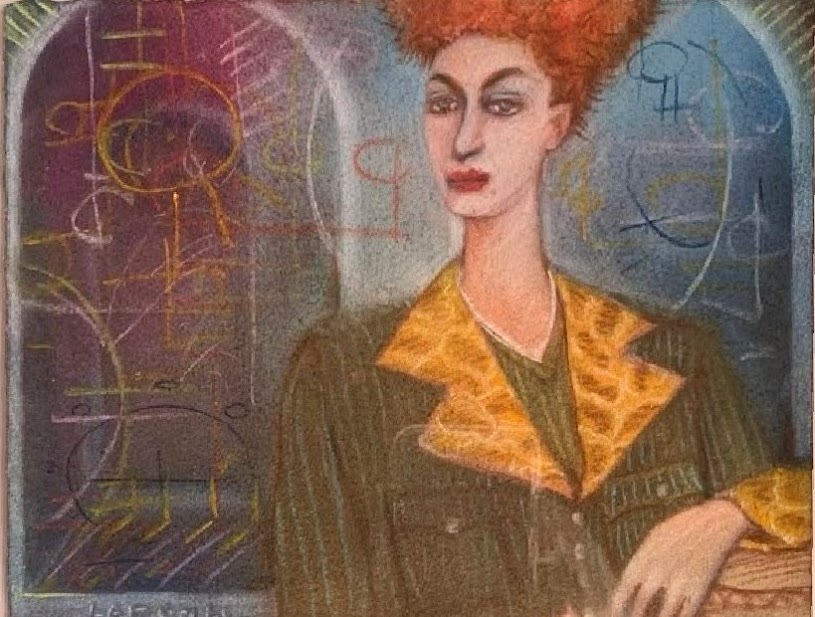
from Kim B
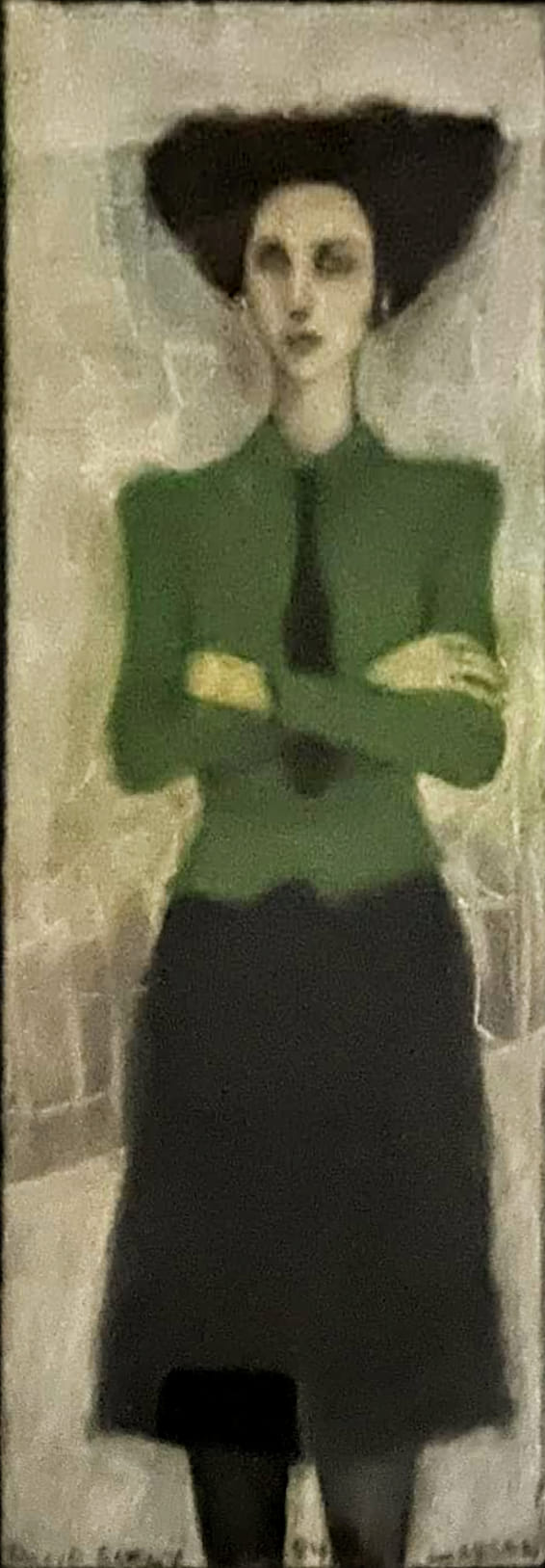
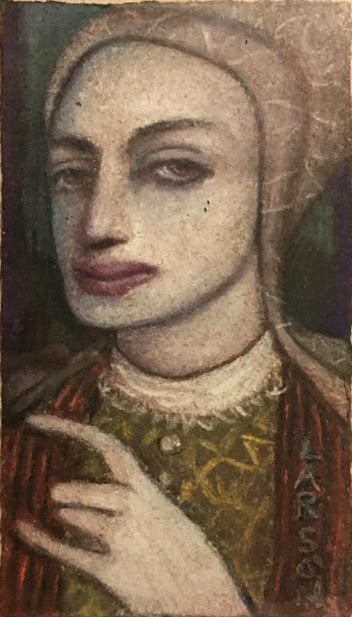
from Chris C via Jenny B
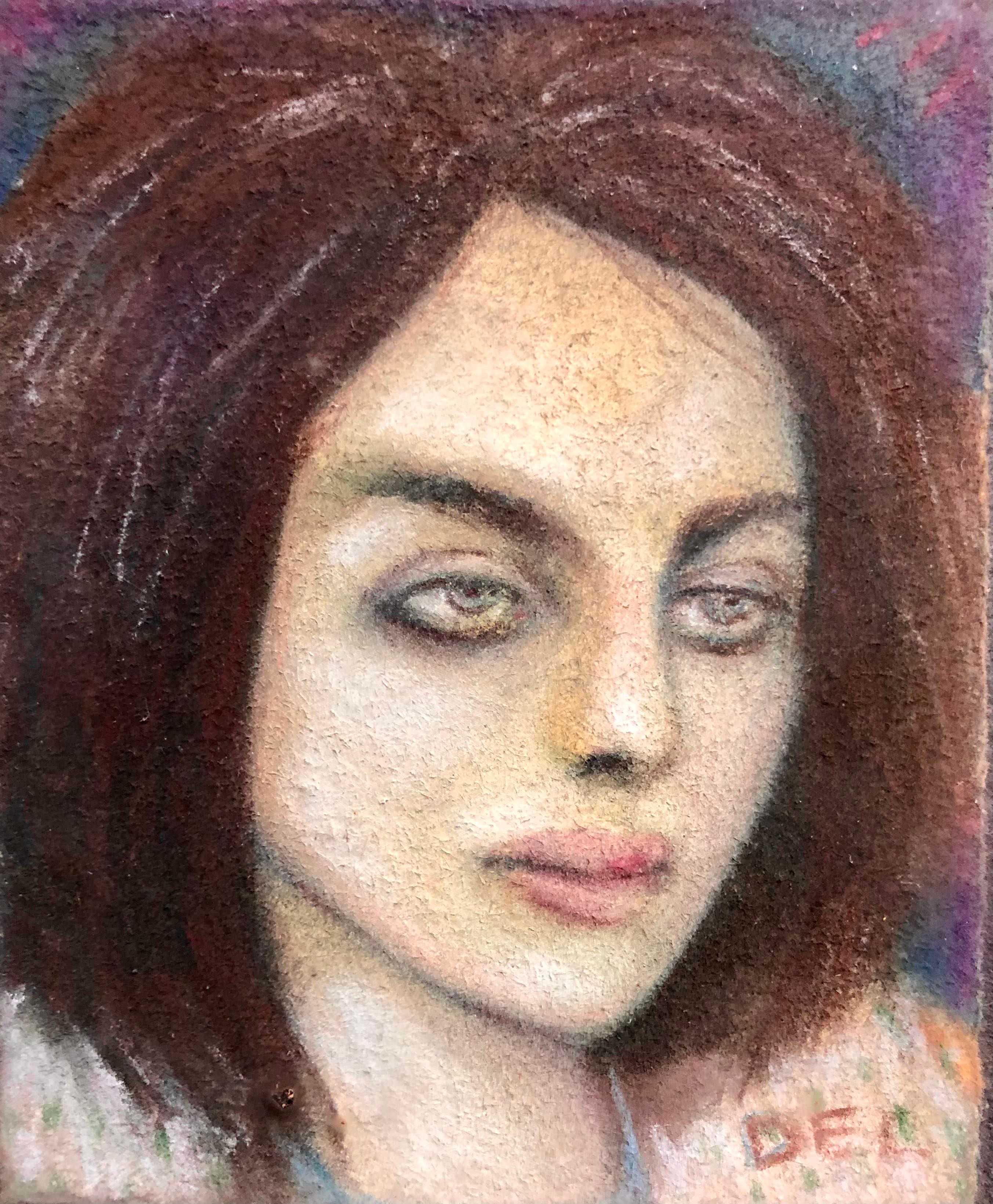
from Tommy L
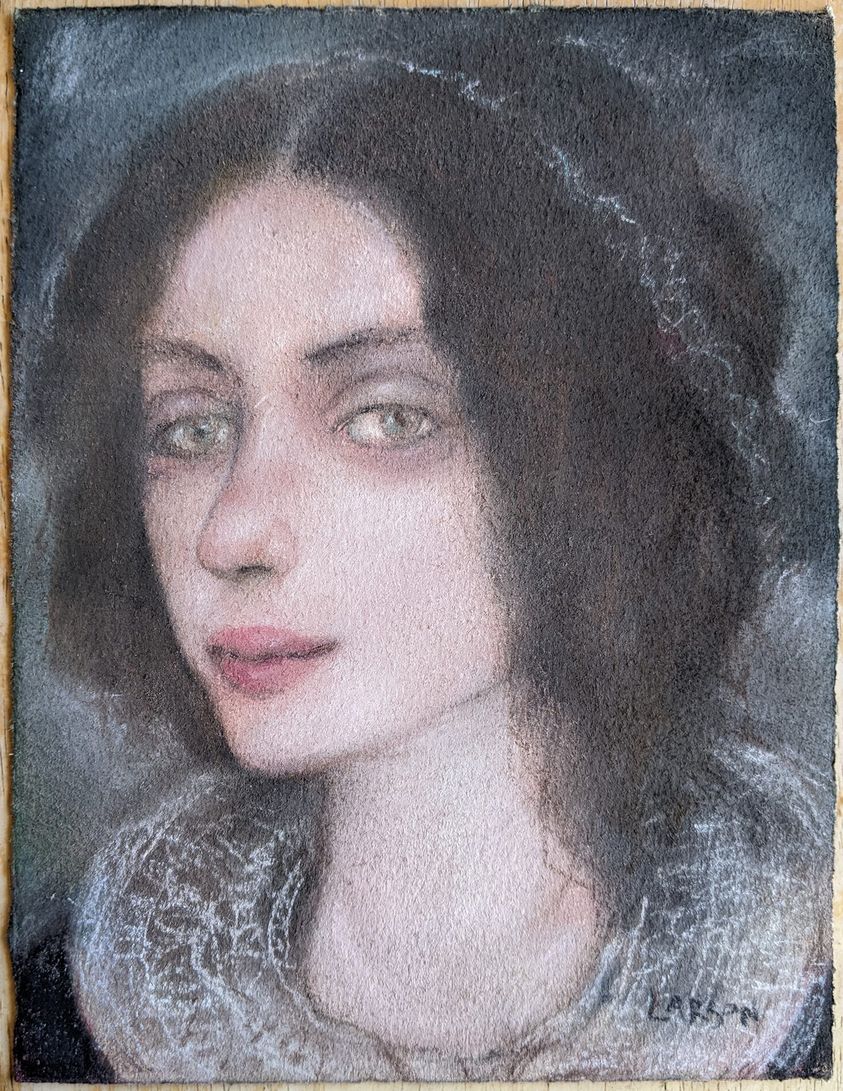
from Sasser St
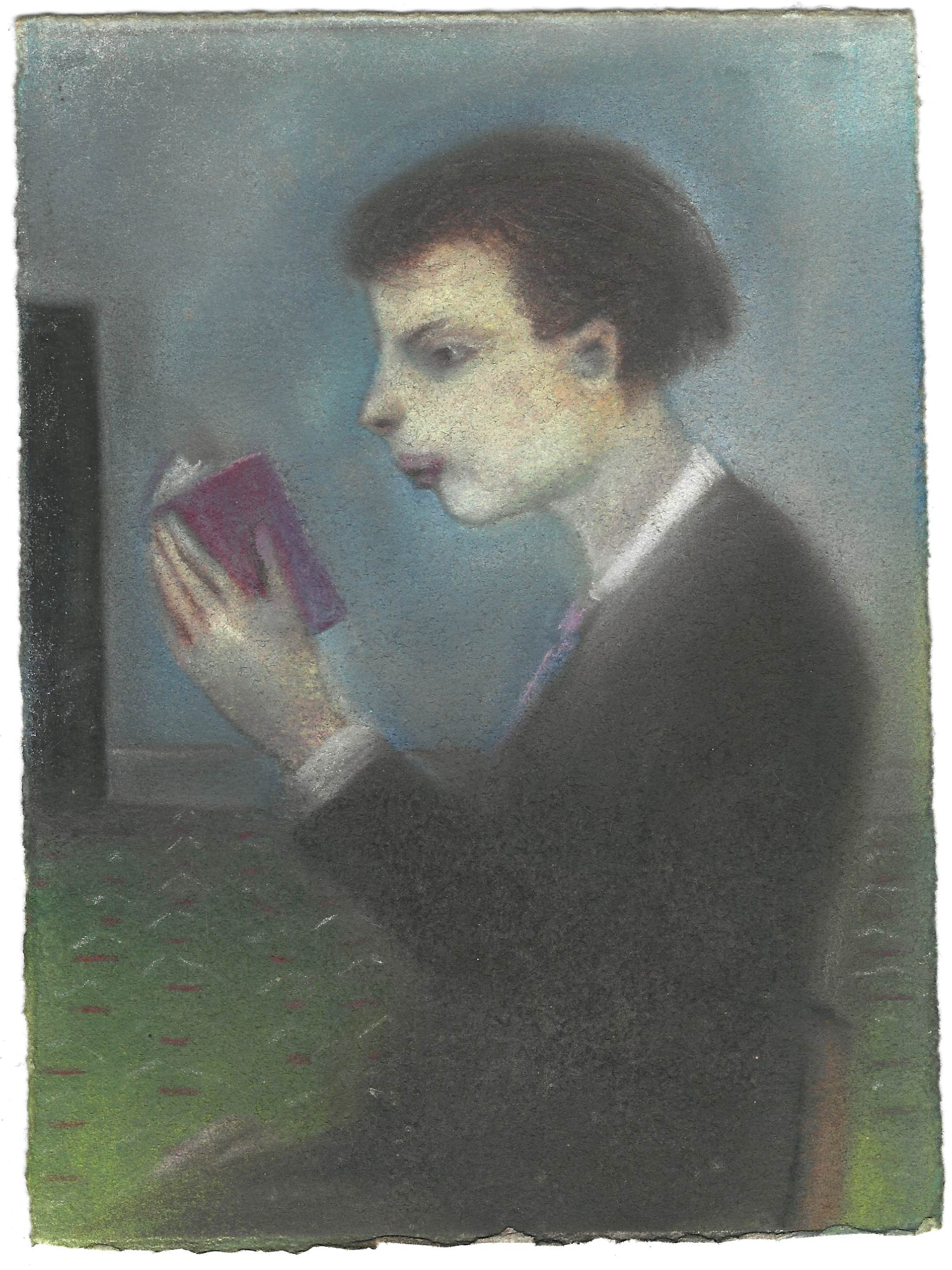
from John And Cara DJ
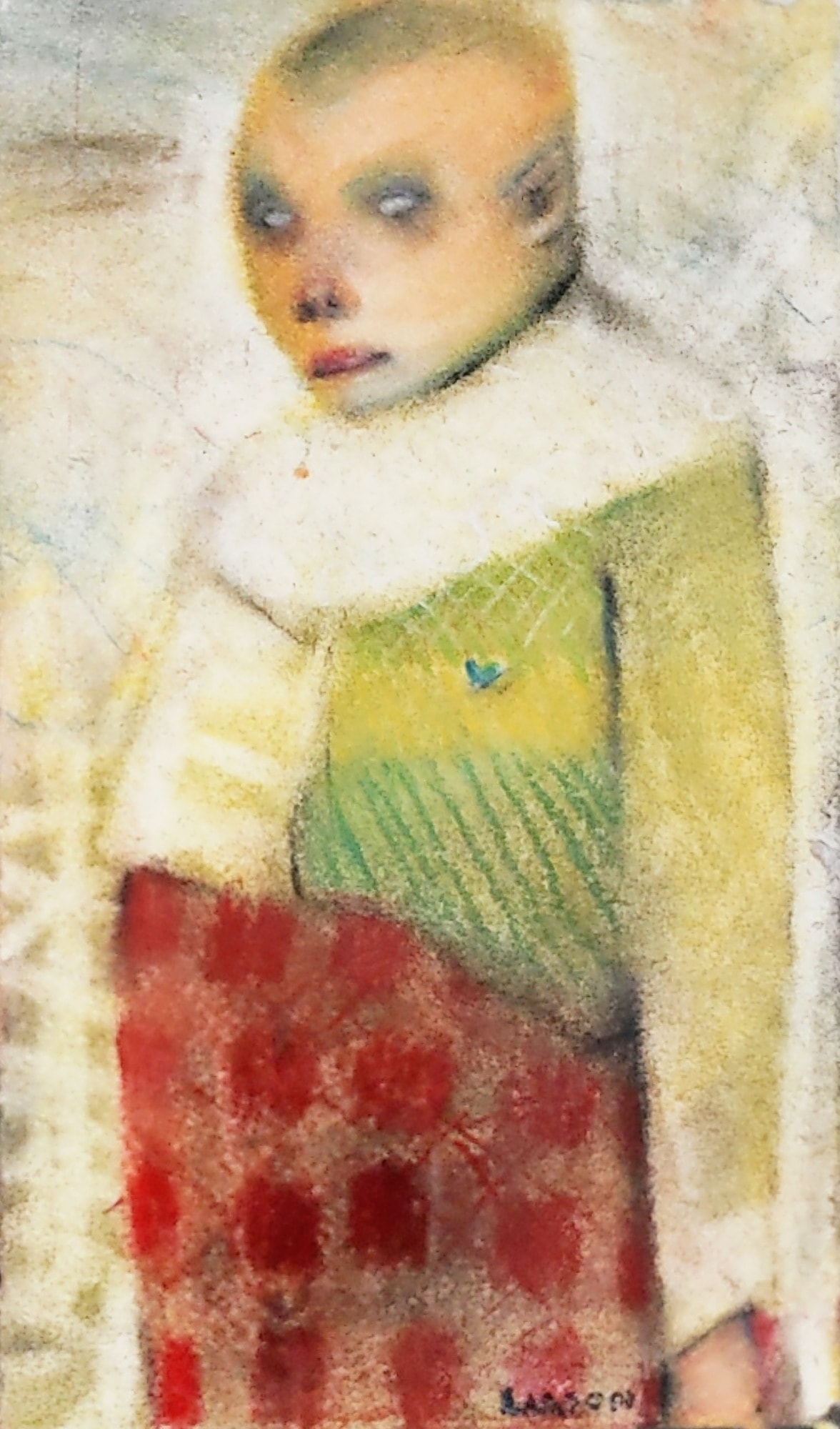
from Randy A
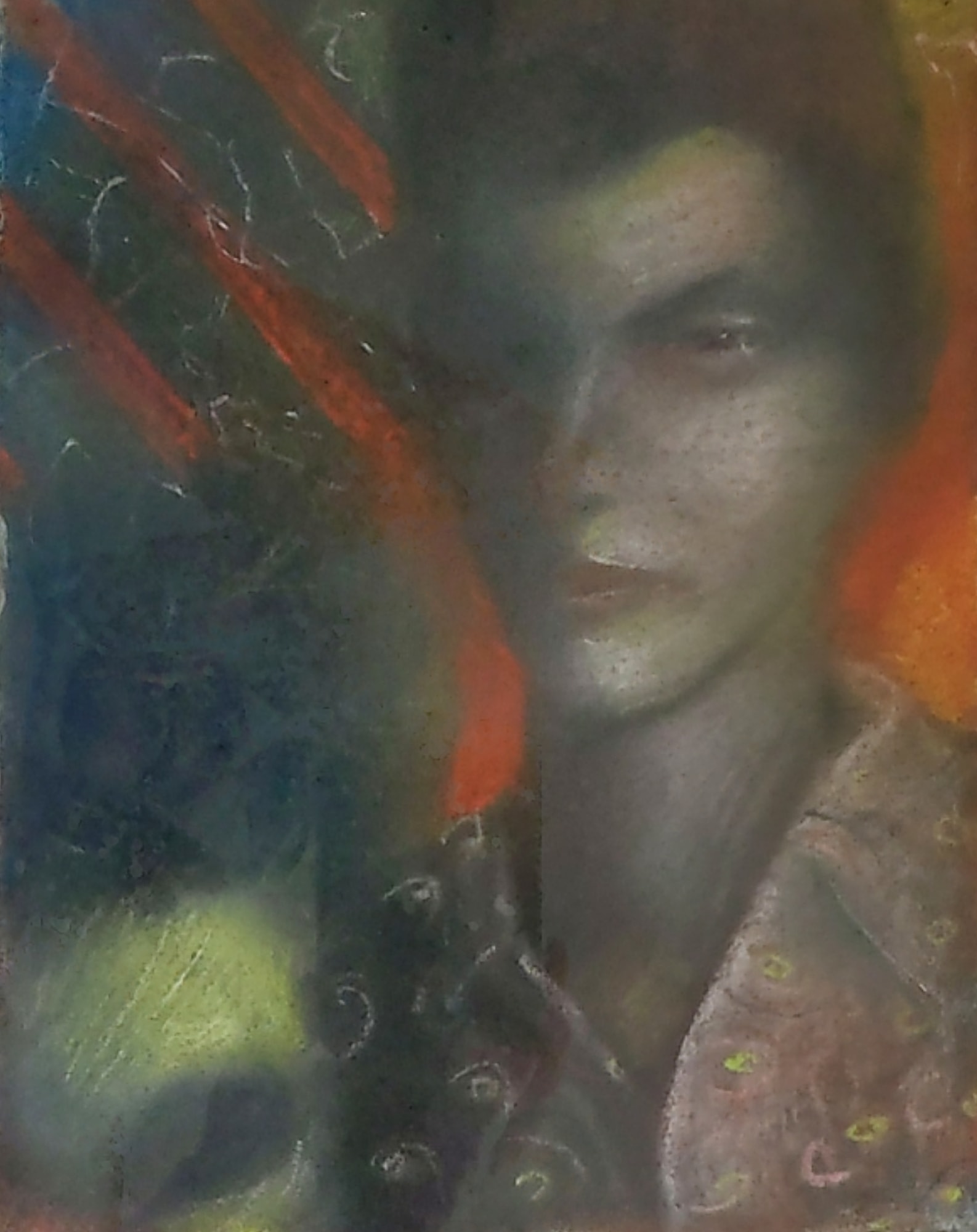
from Randy A
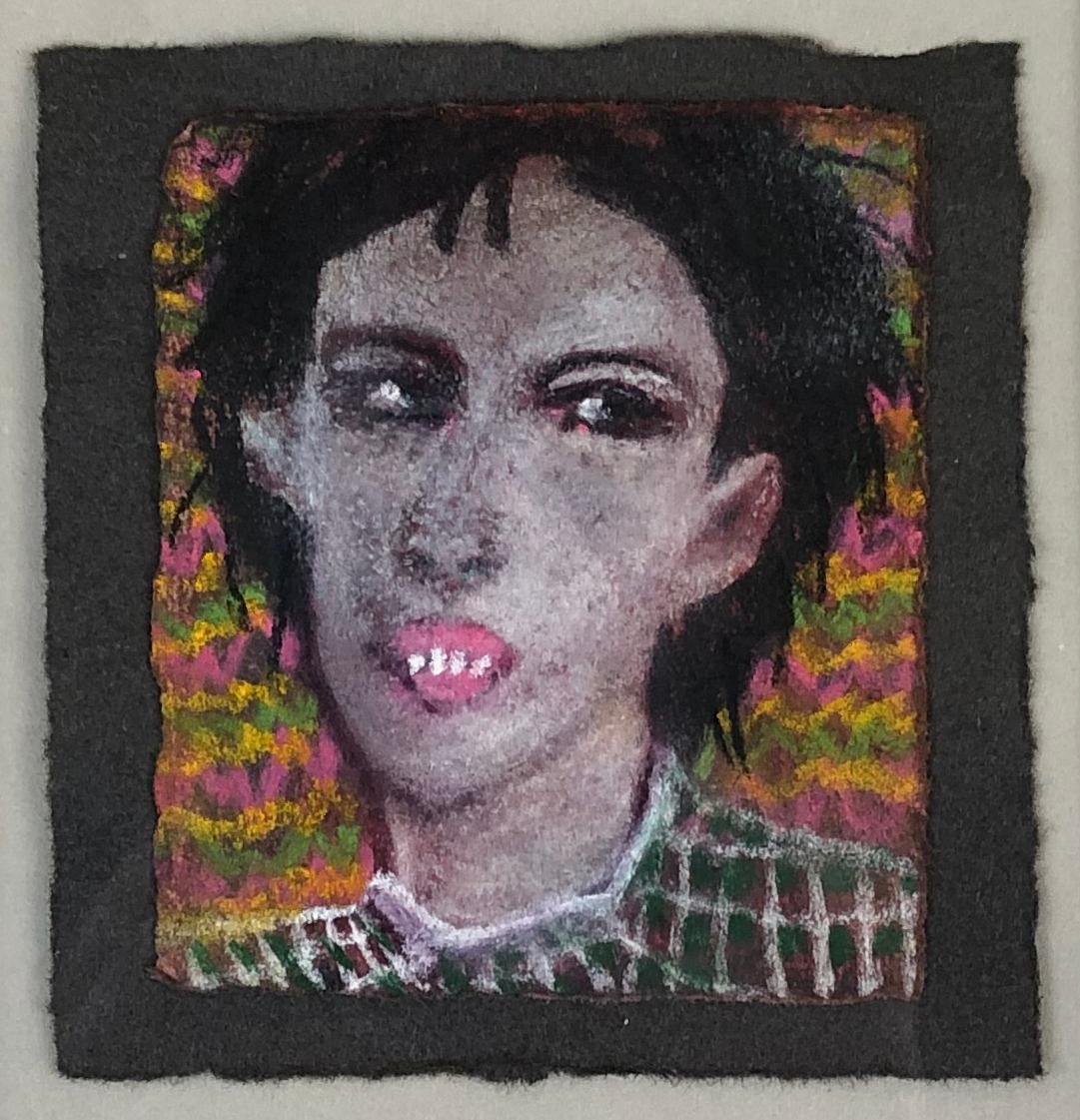
from Richard B
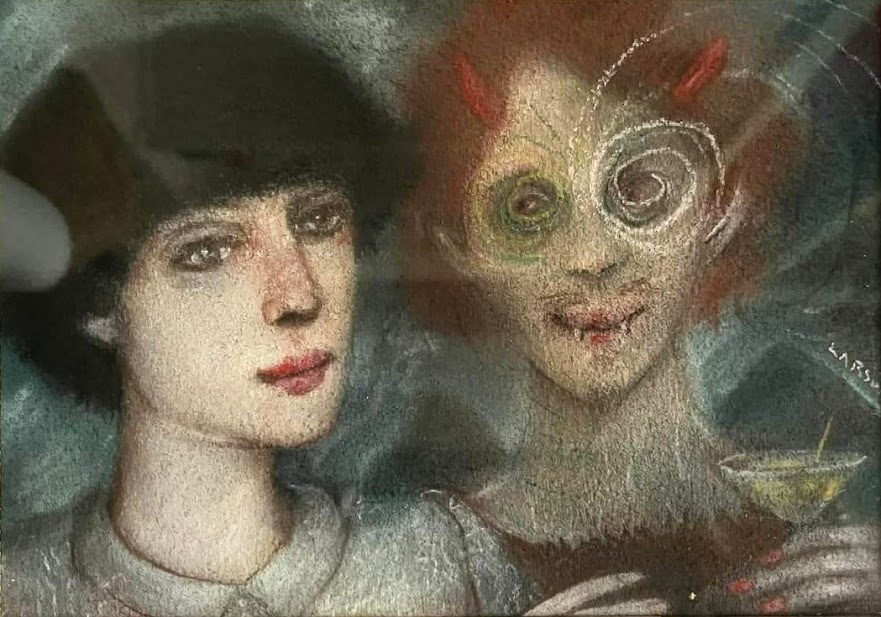
from Al M
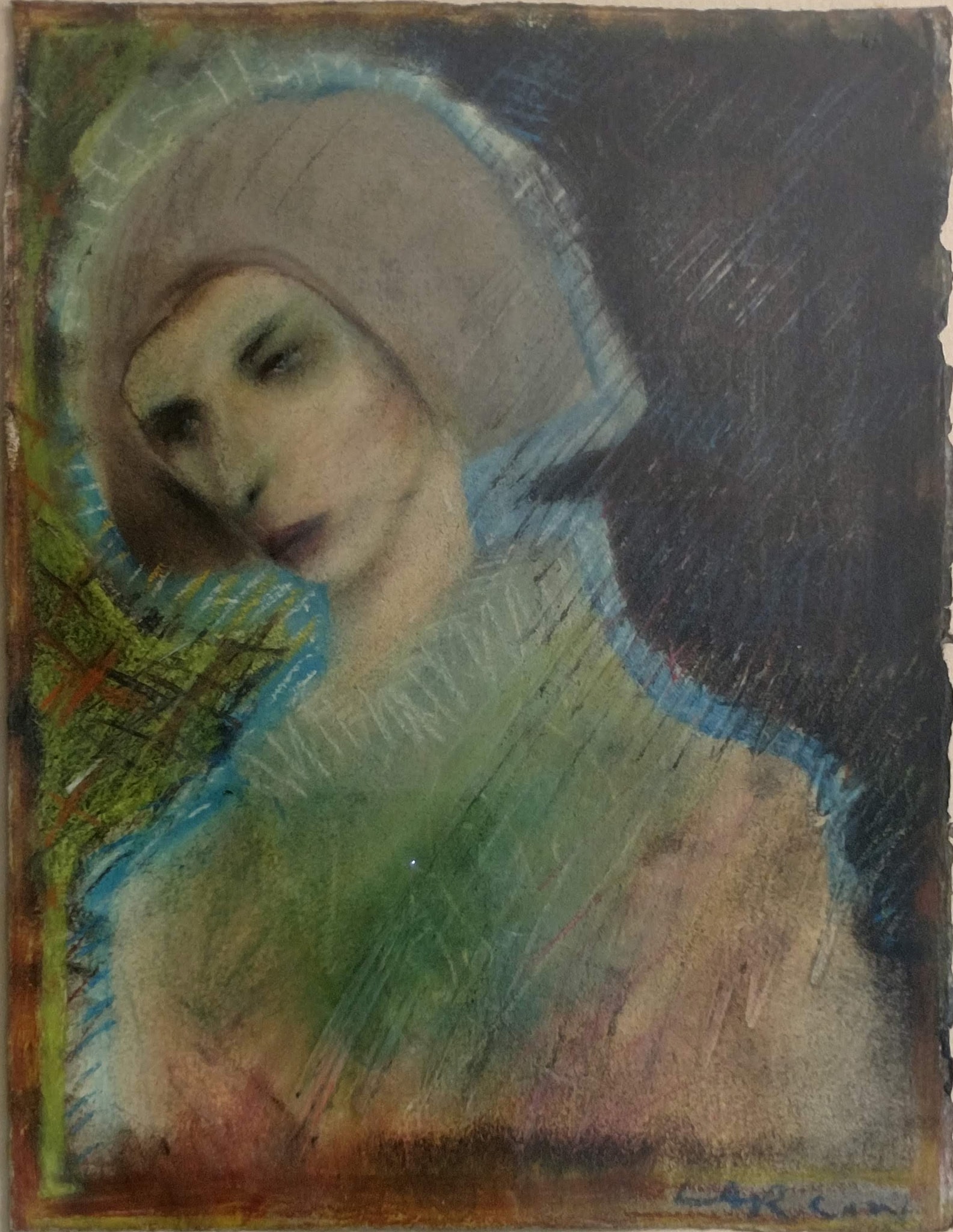
from Randy A
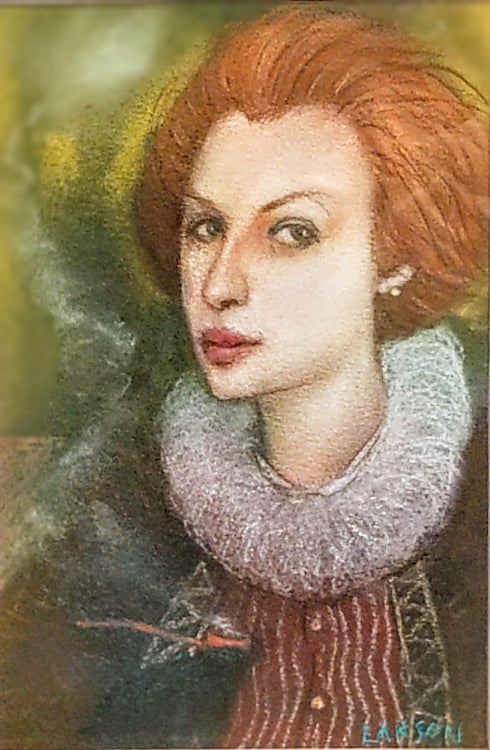
from Debbie B
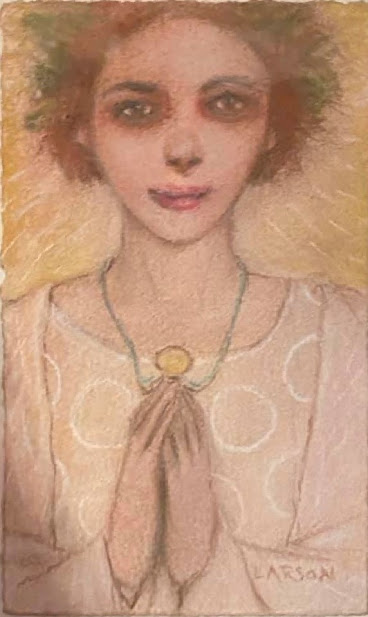
from Sarah G
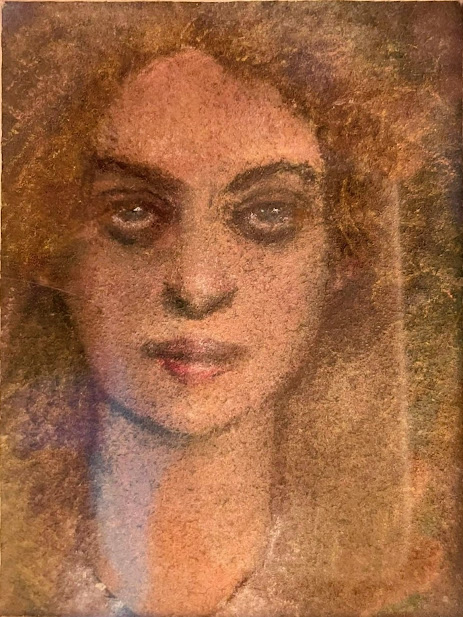
from Cheryl P
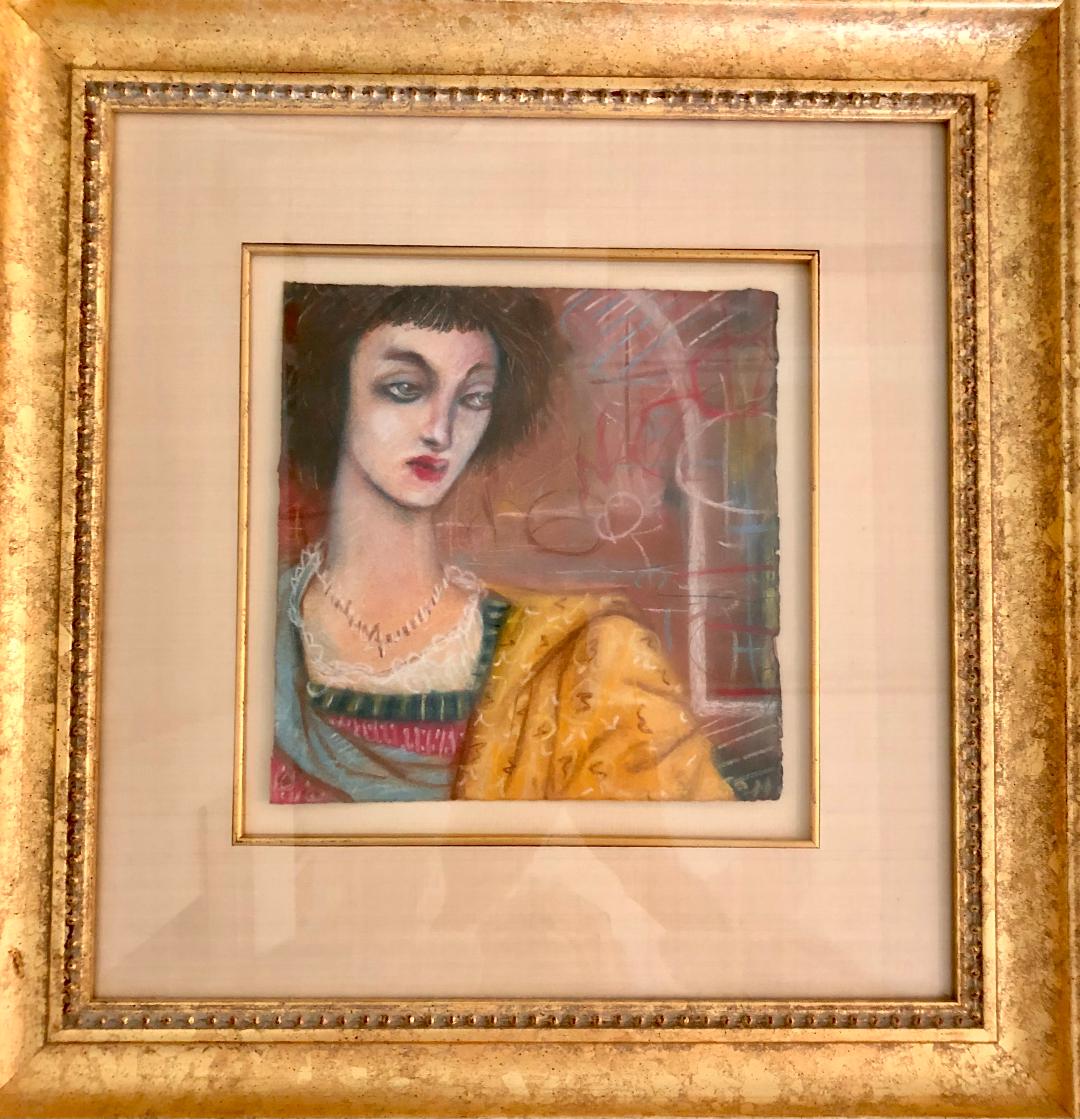
from Sammy K
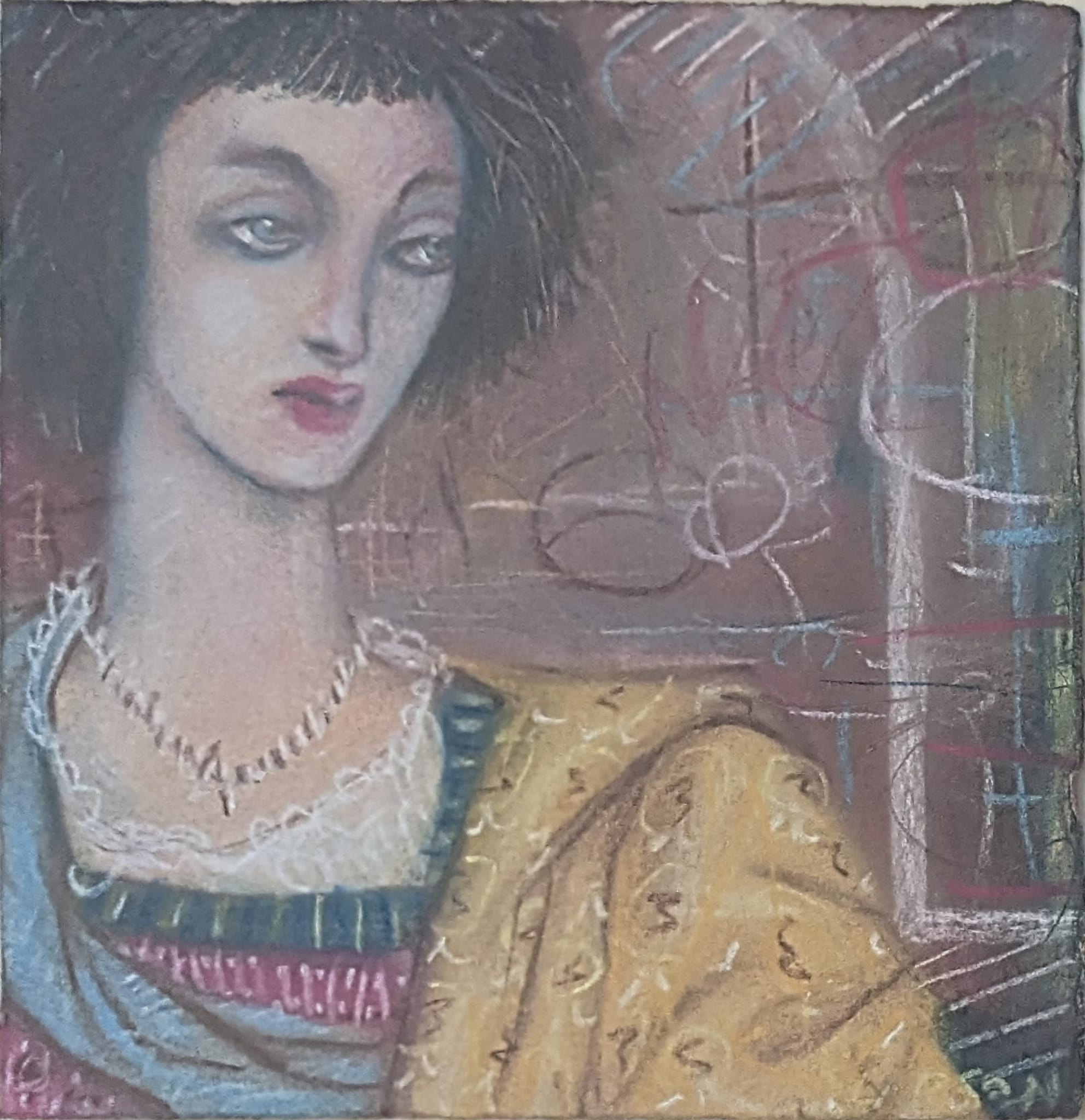
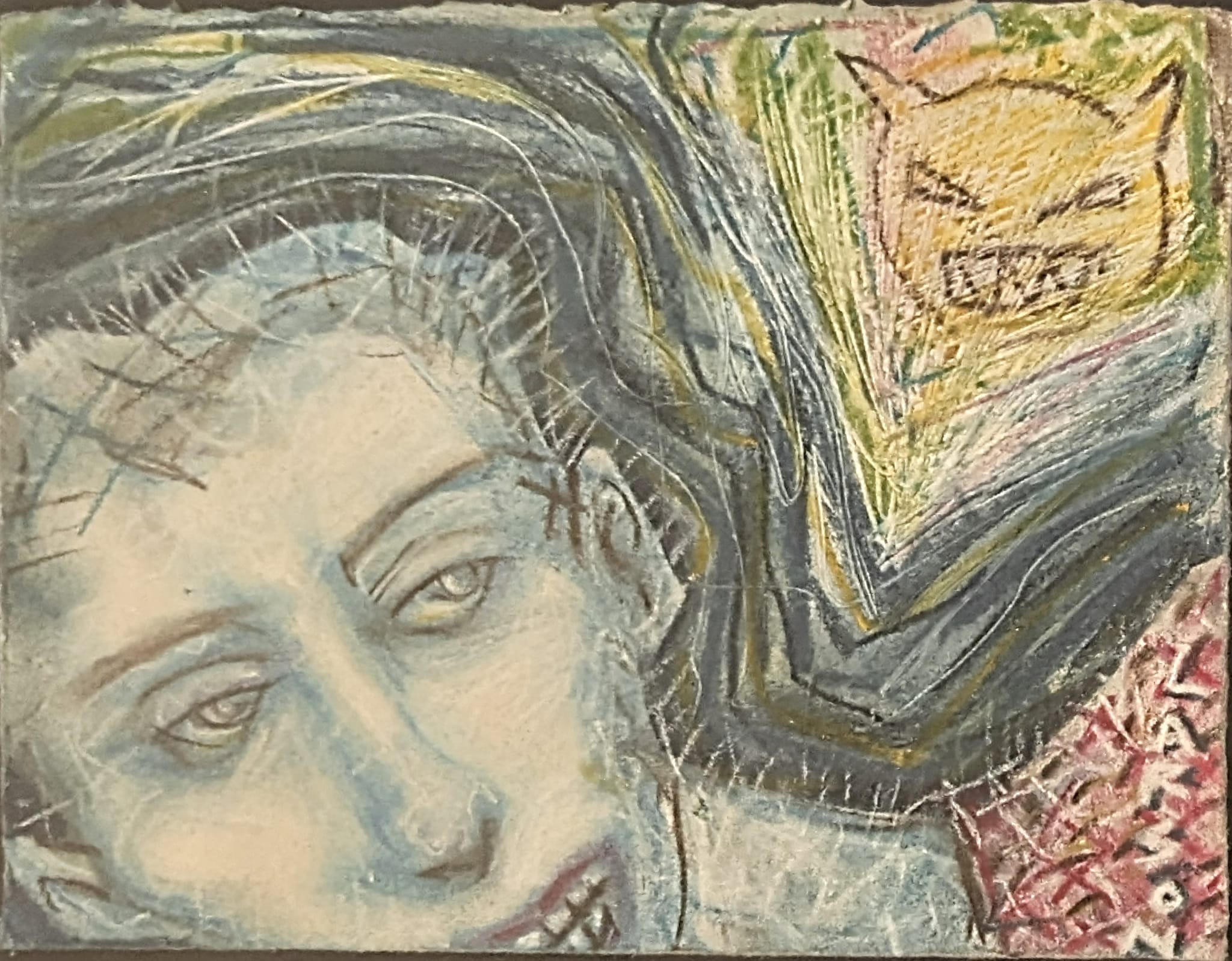
from Sam K
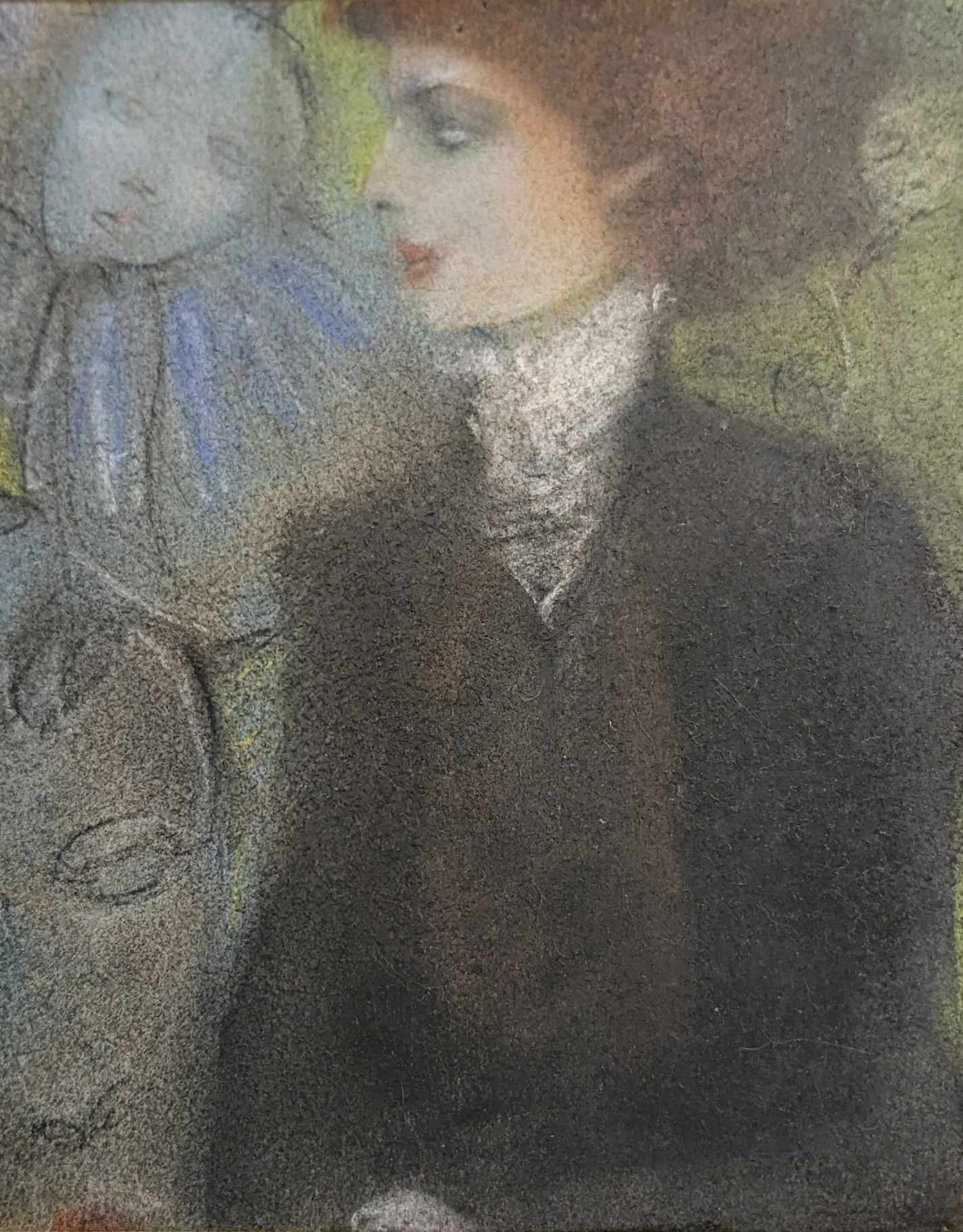
from Randy Alley
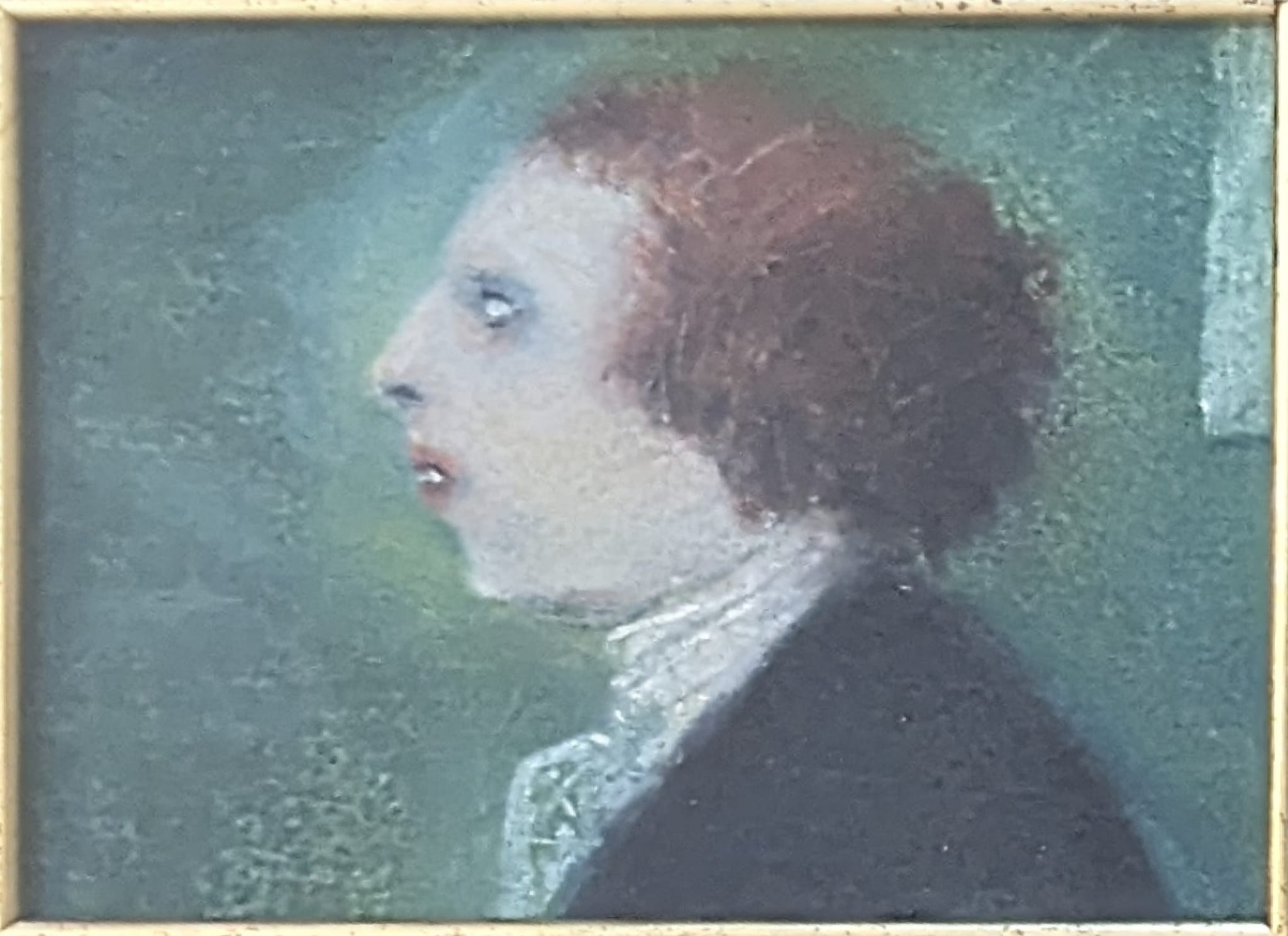
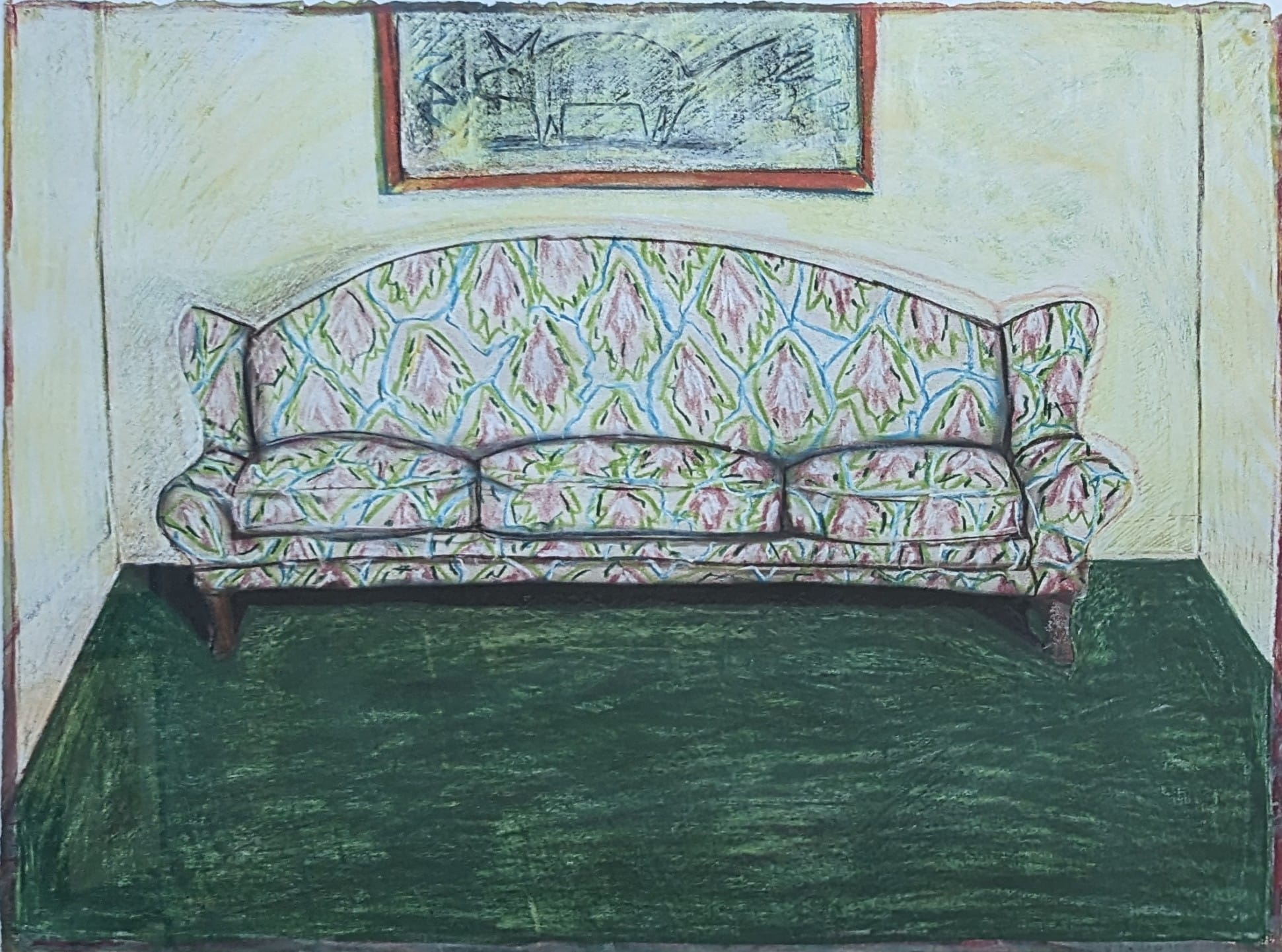
Dup Above the Couch from Sam K
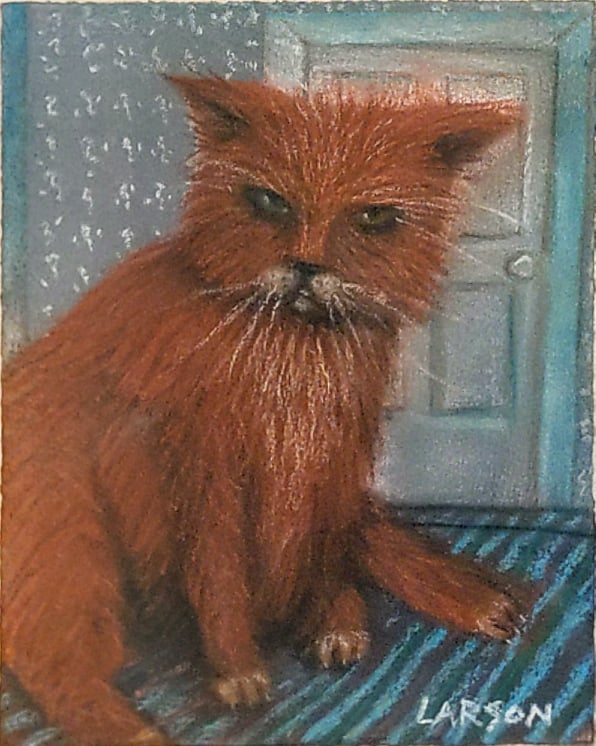
from Debbie B
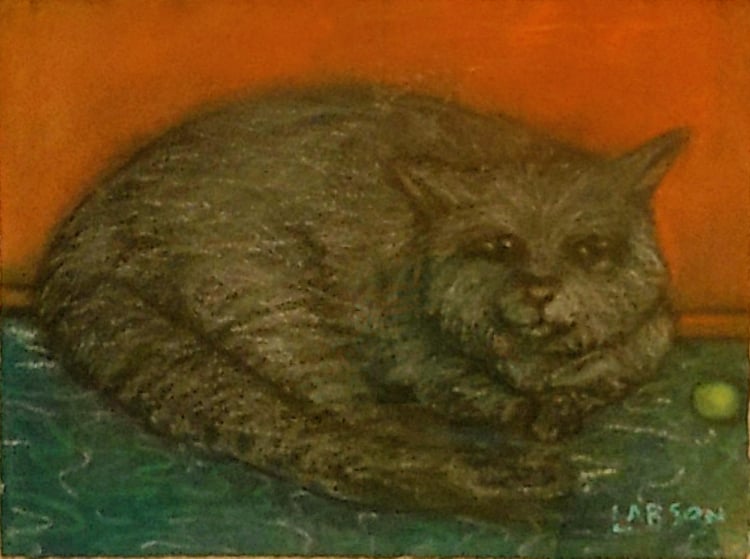
from Debbie B
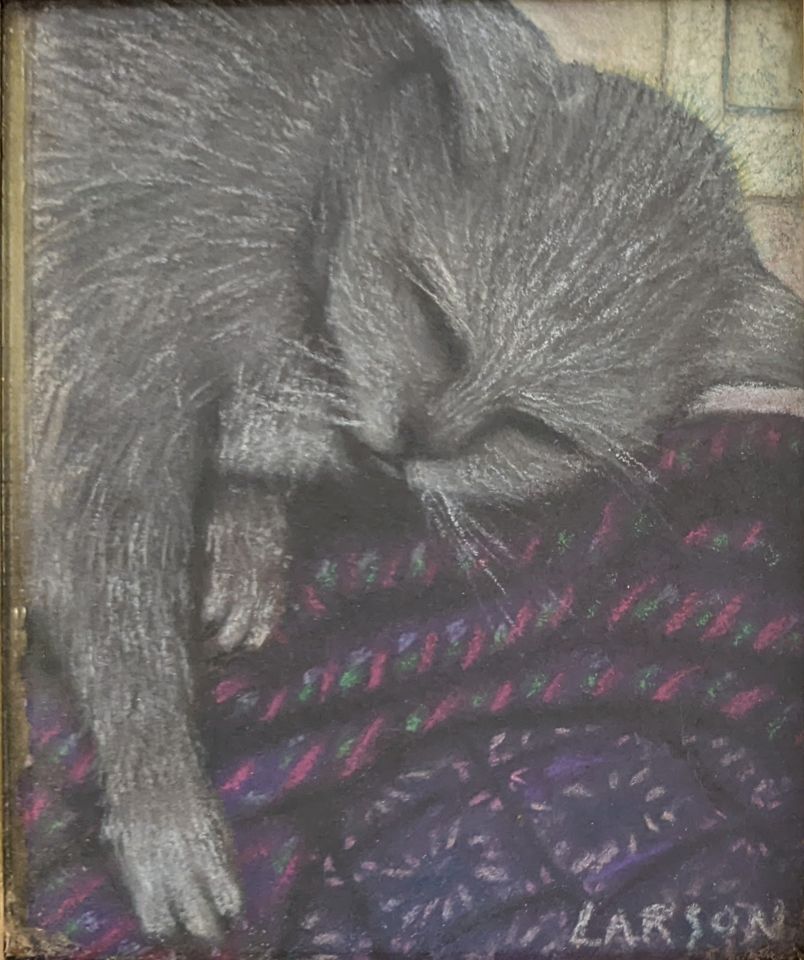
from Faye L
from Tom M
from Mary R
from Pat M
from Pat M
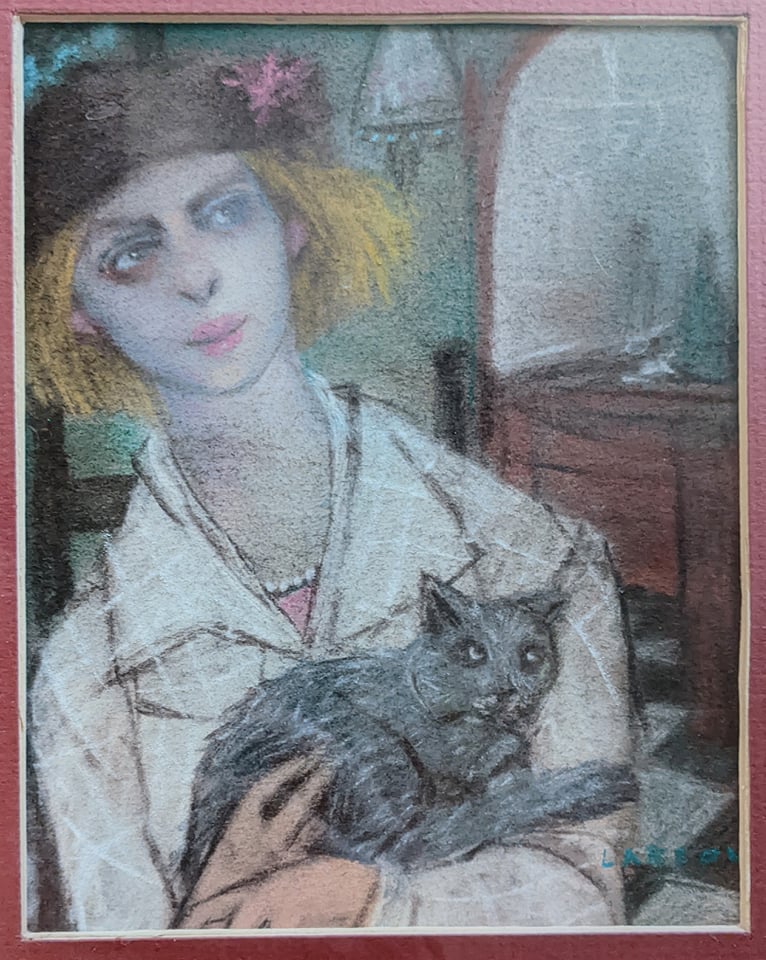
from Alan B via Cindy O
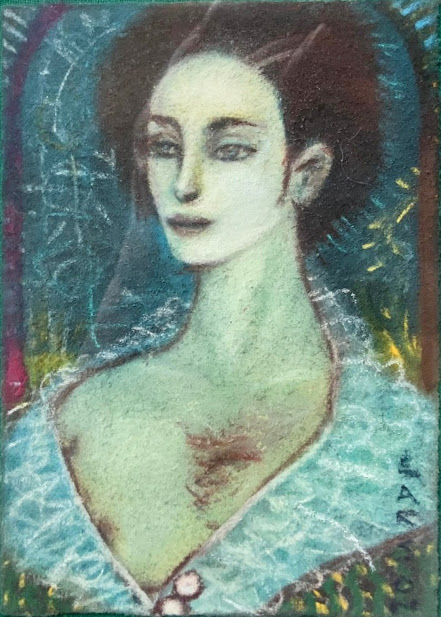
from Mary R
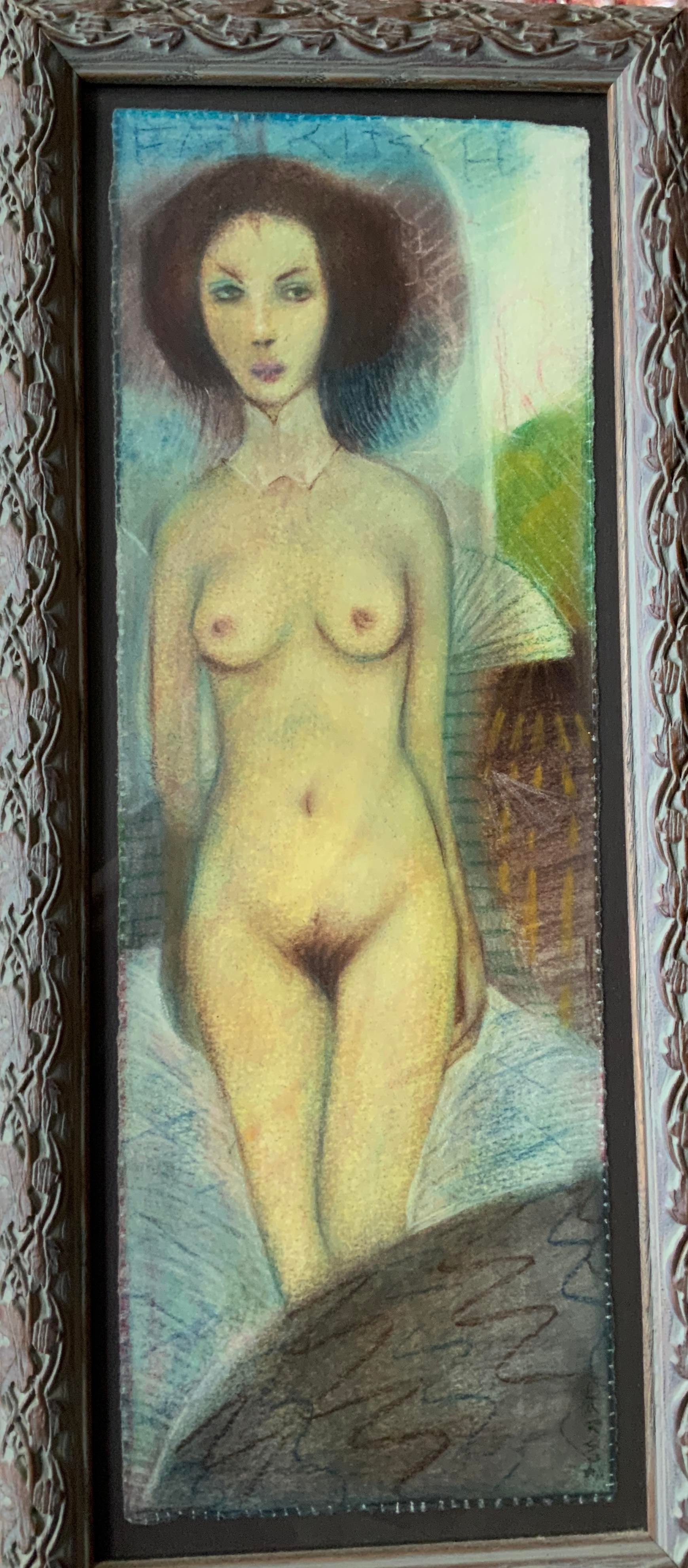
from Mary R
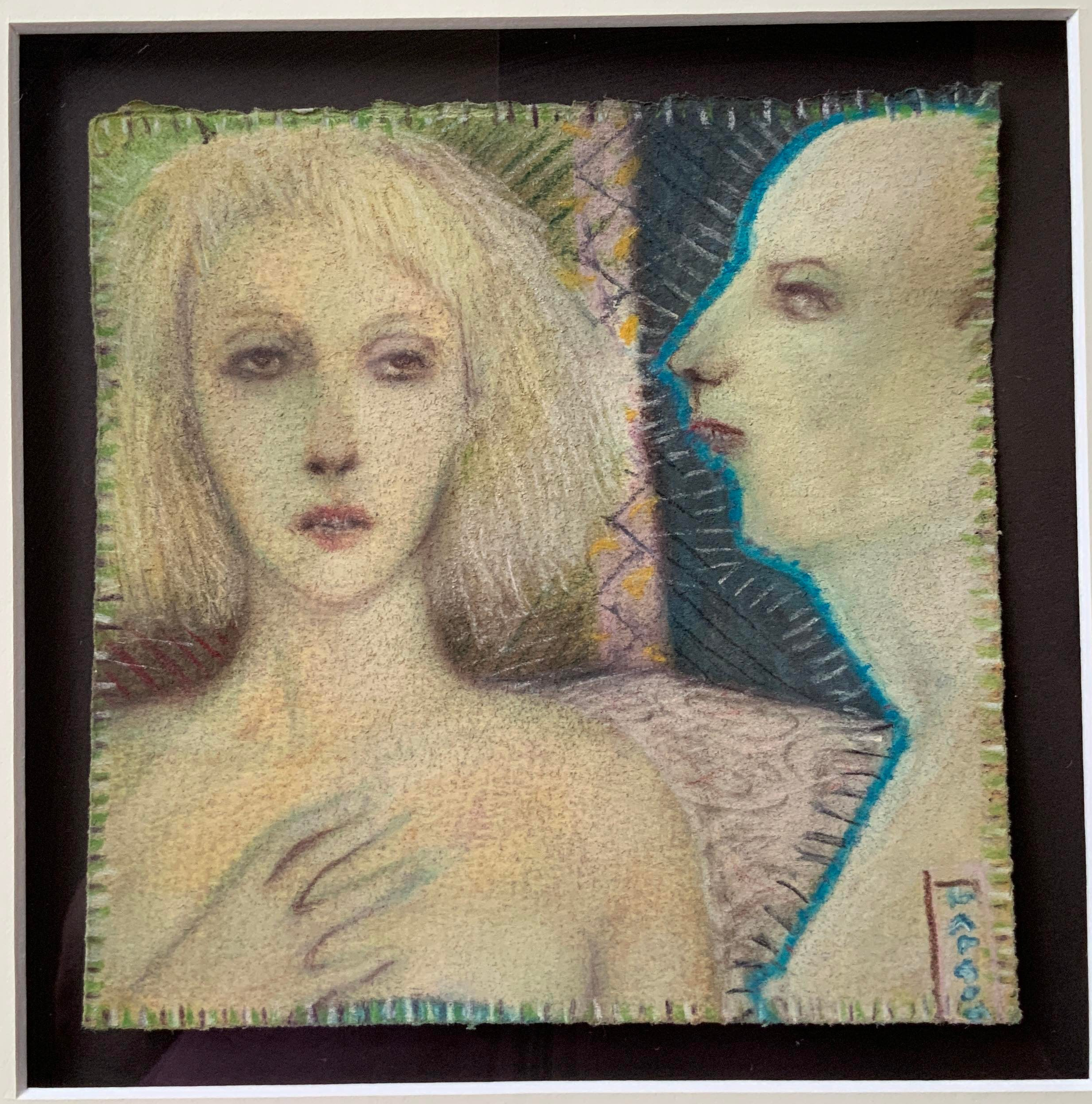
from Mary R
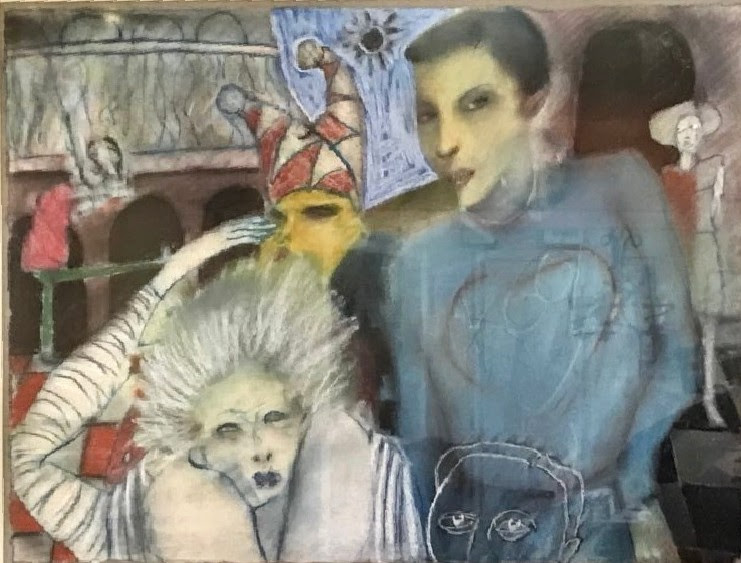
from Susan C “Sadlack’s”
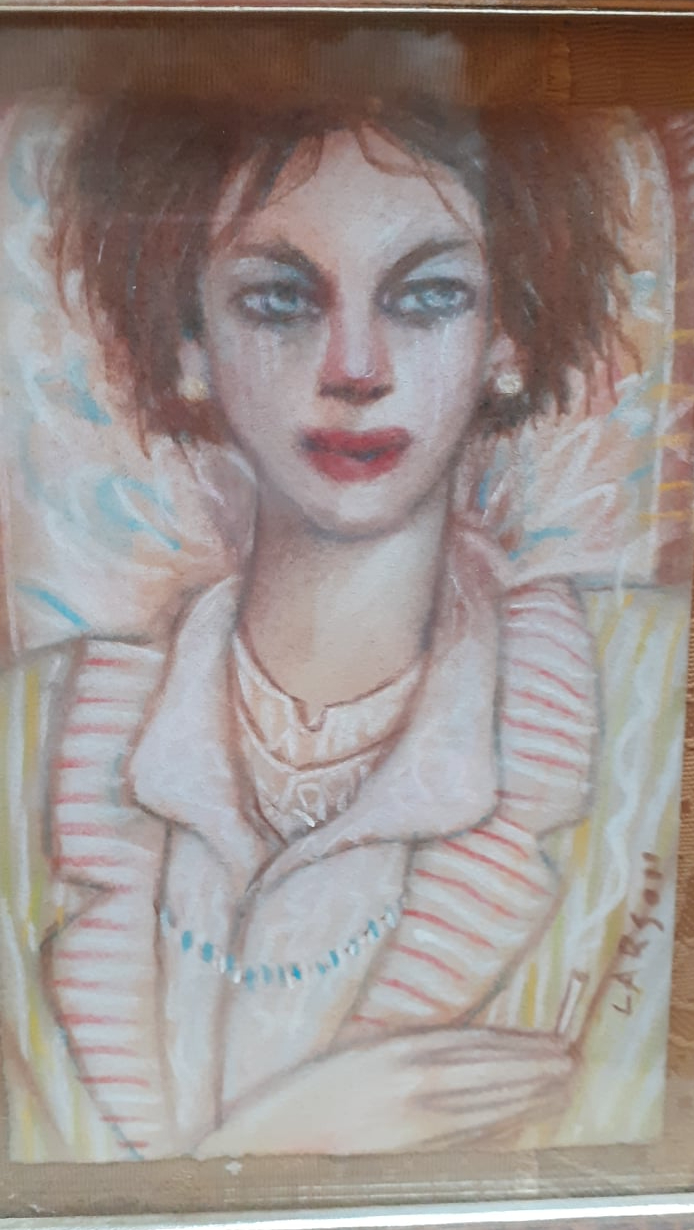
from Britt Zaist
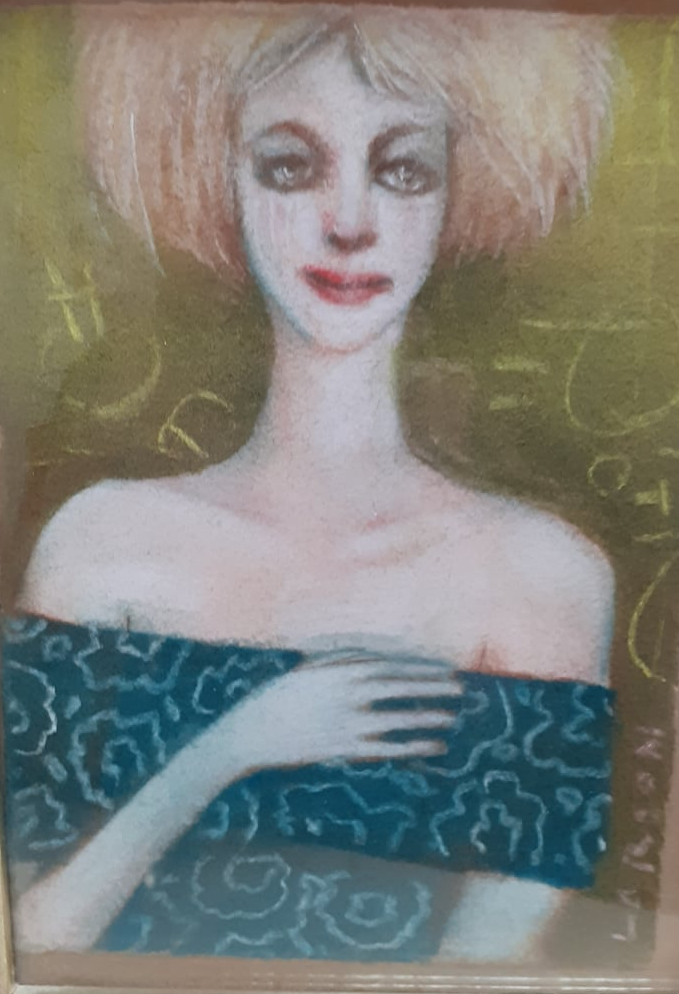
from Britt Zaist
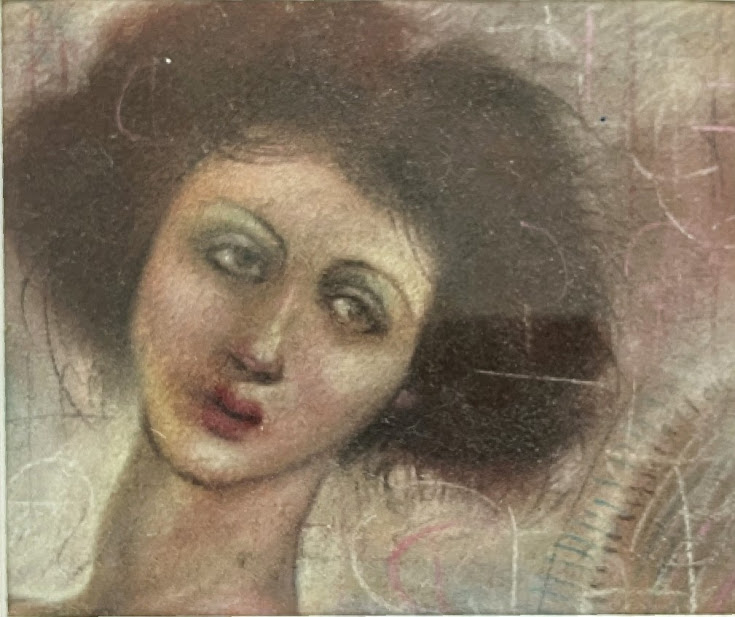
from Peter L
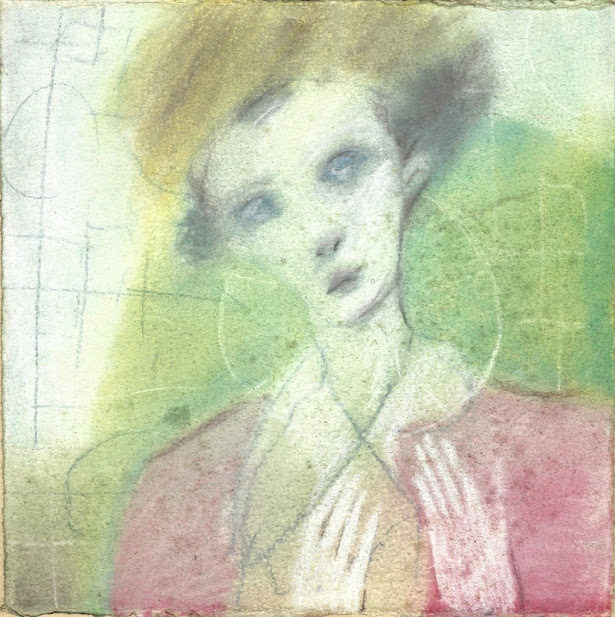
from The Paper Plant
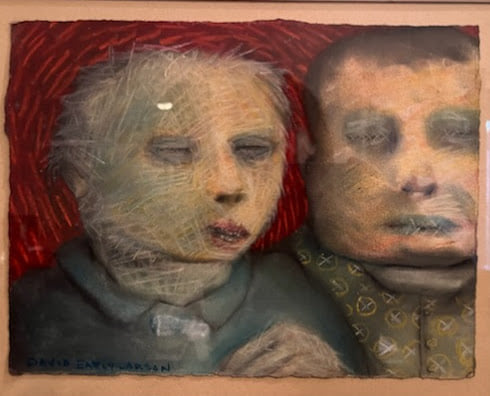
from Ginny W P
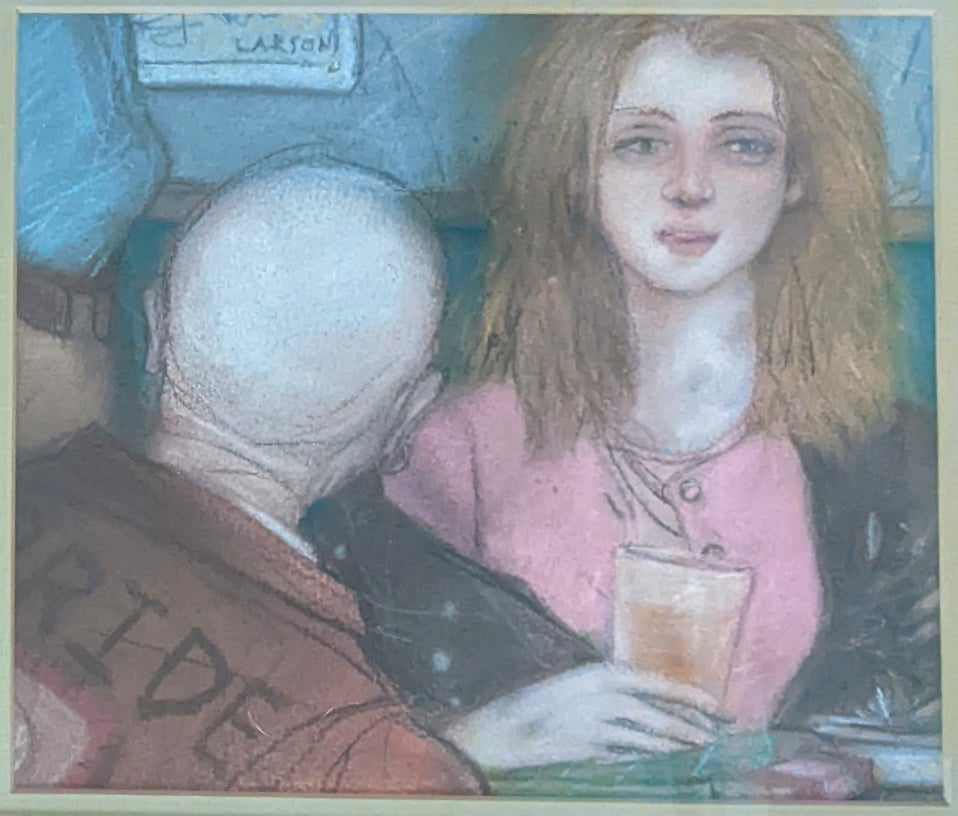
from Alan B
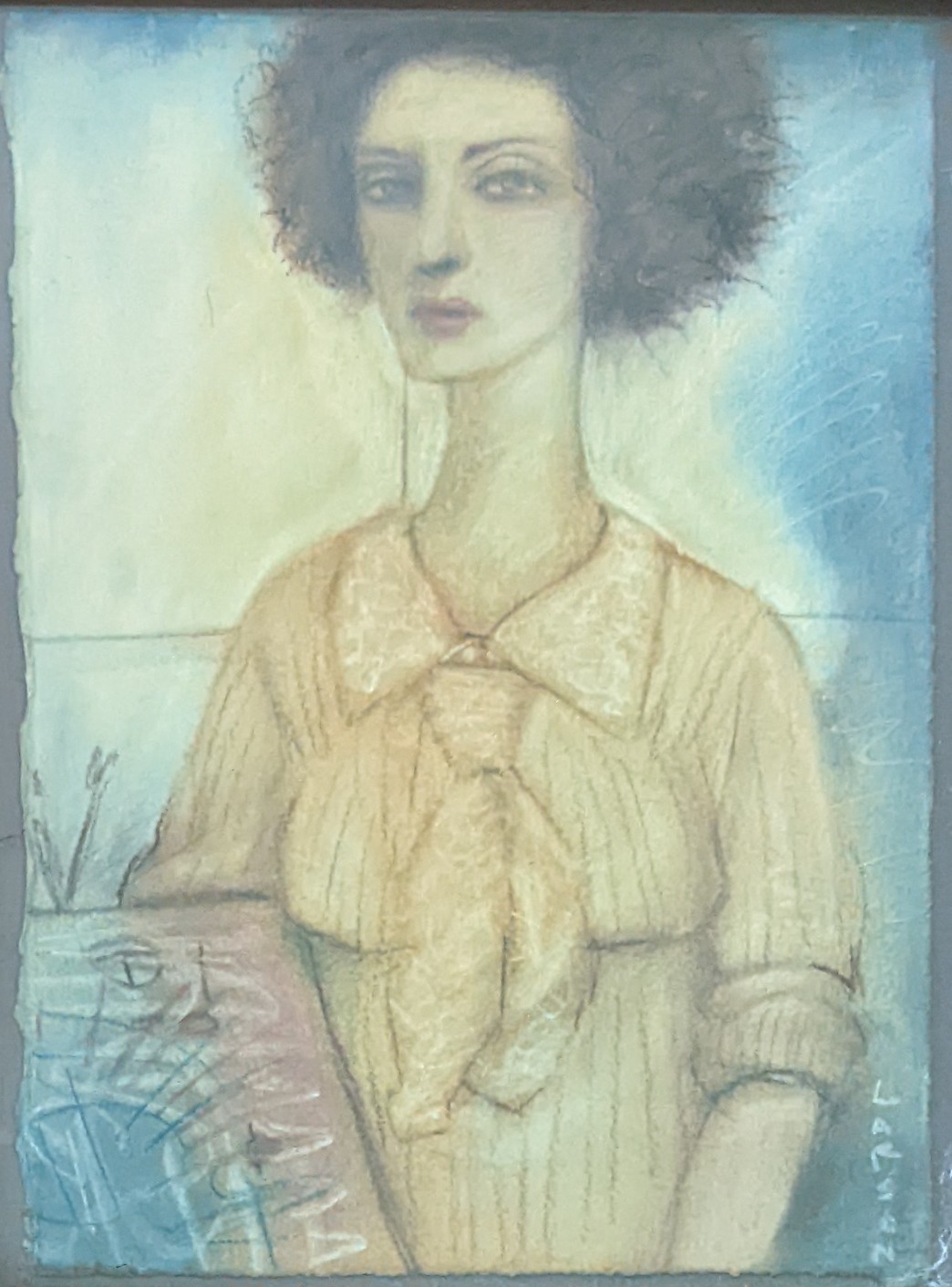
from Sasser Street
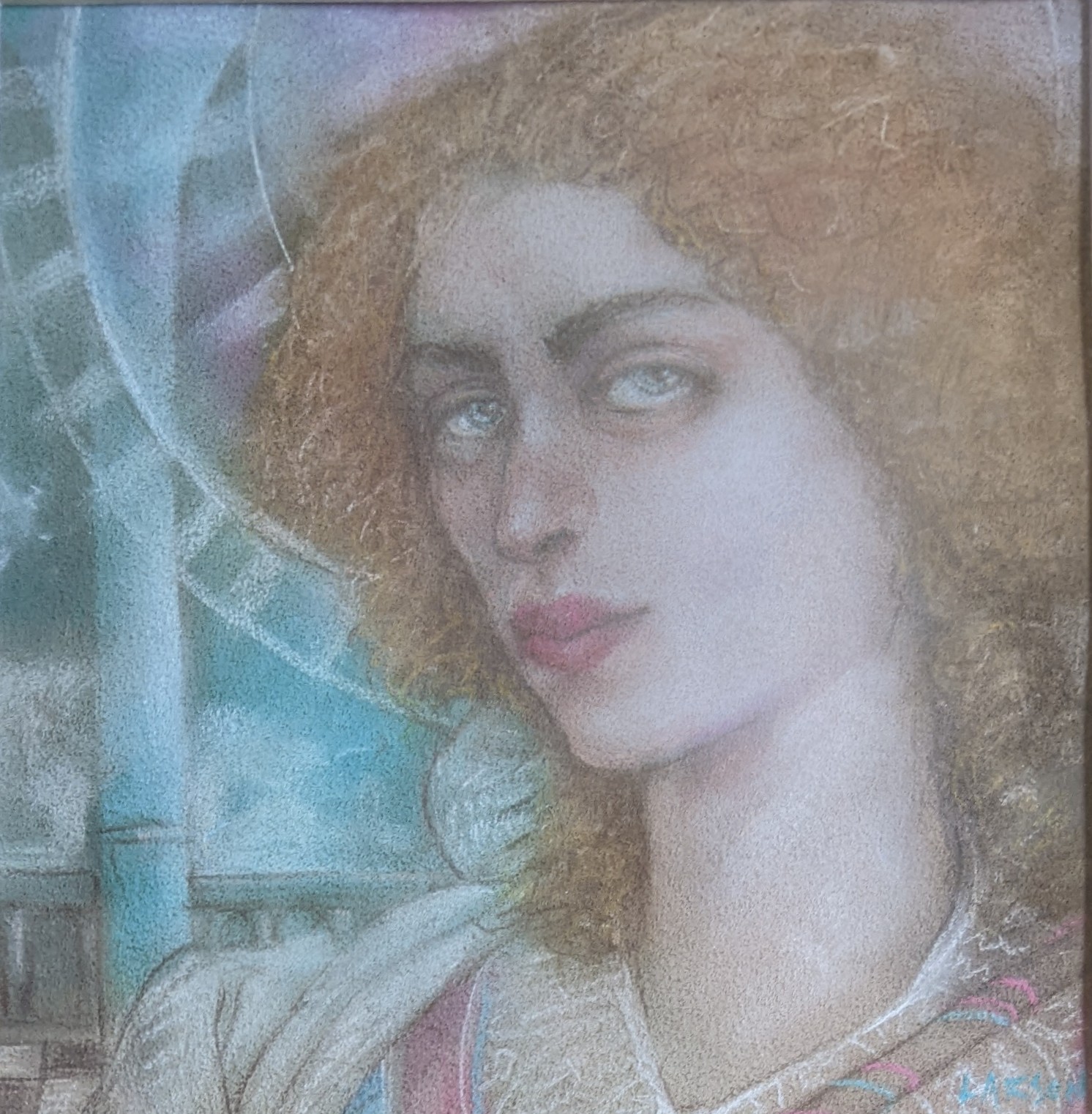
from Sasser Street
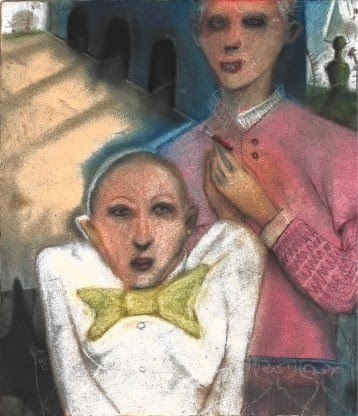
from The Paper Plant
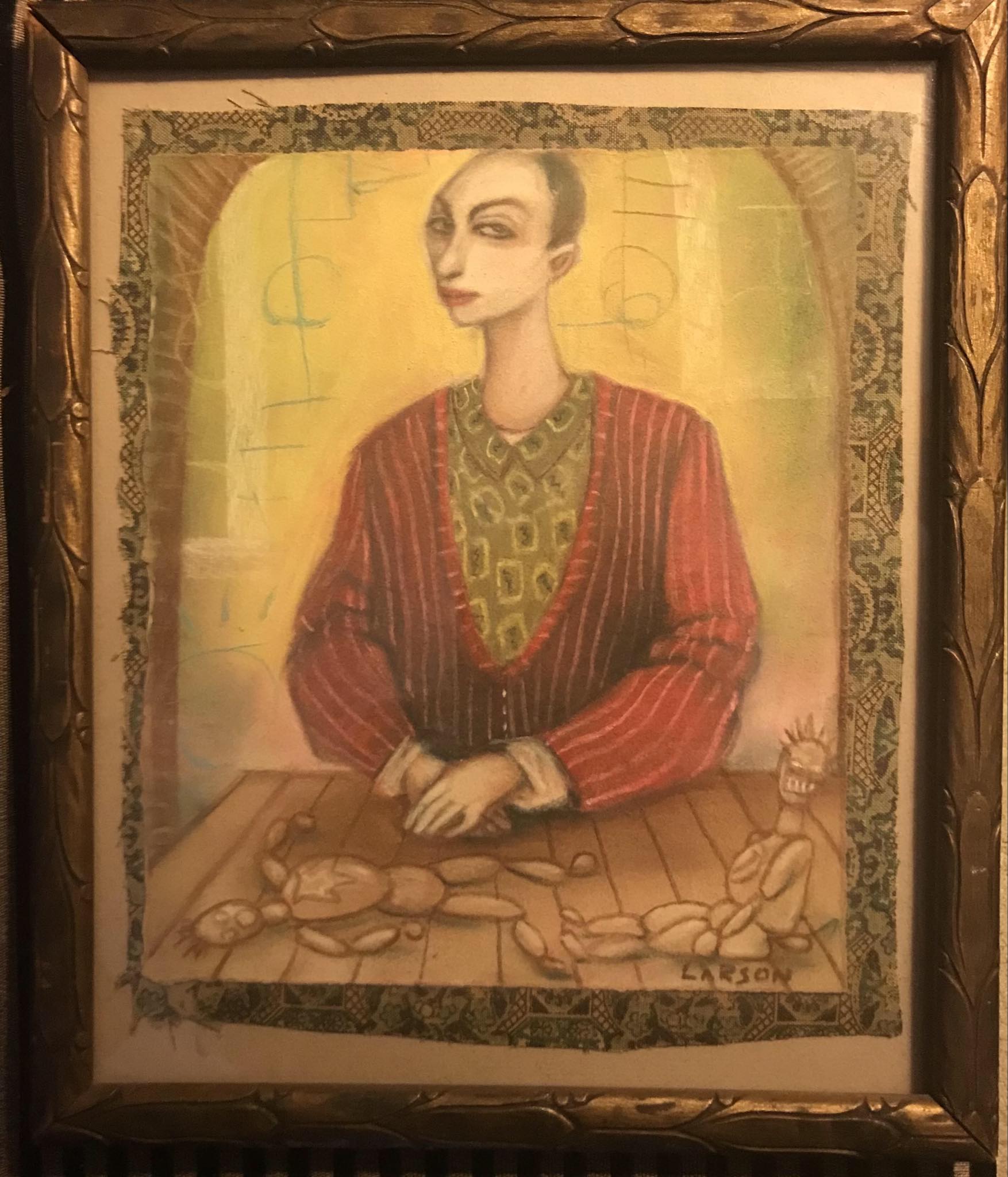
from Leatha Koefler, whose gallery Raleigh Contemporary Art, represented David and also helped him travel with an art group to Morocco
Slide Pastels & Smears: A Larson Bonus Page
click above to see slide images of work from David’s estate
Larson Band Posters

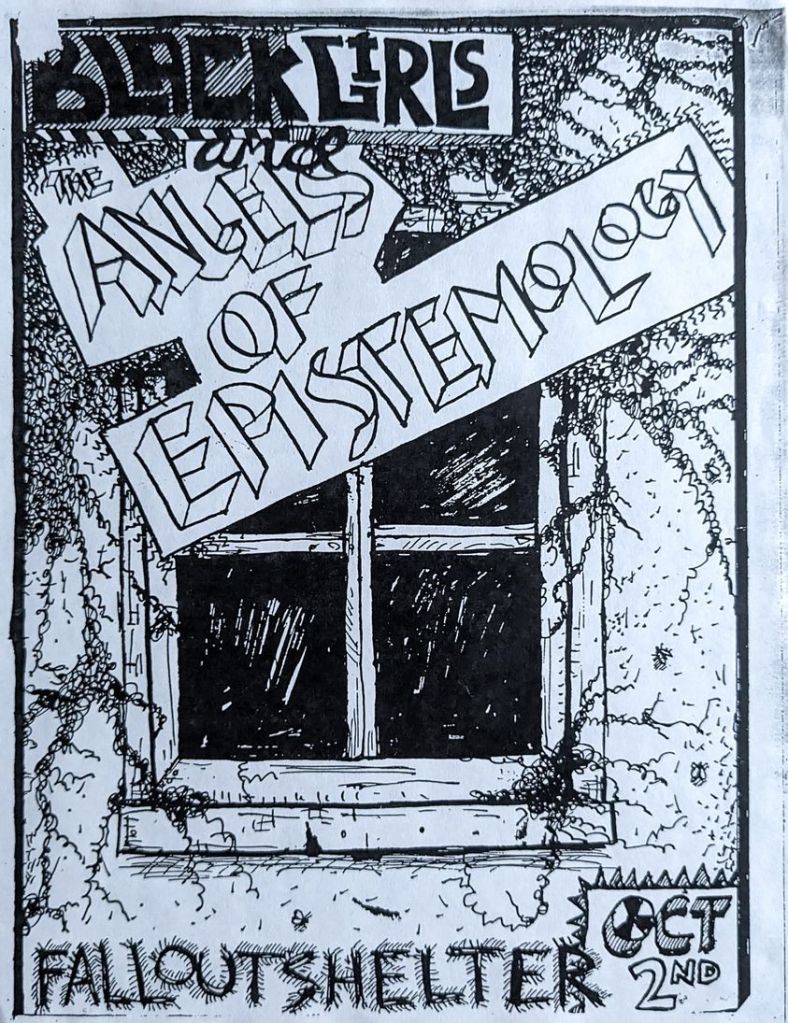
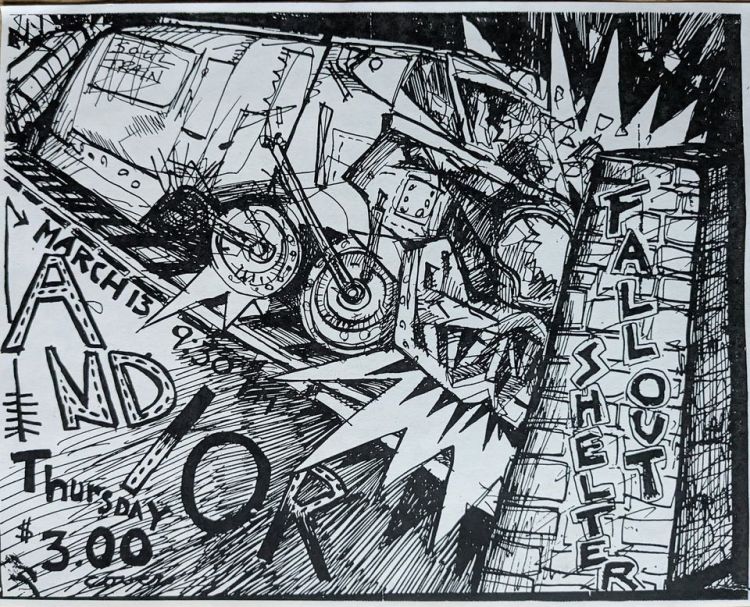
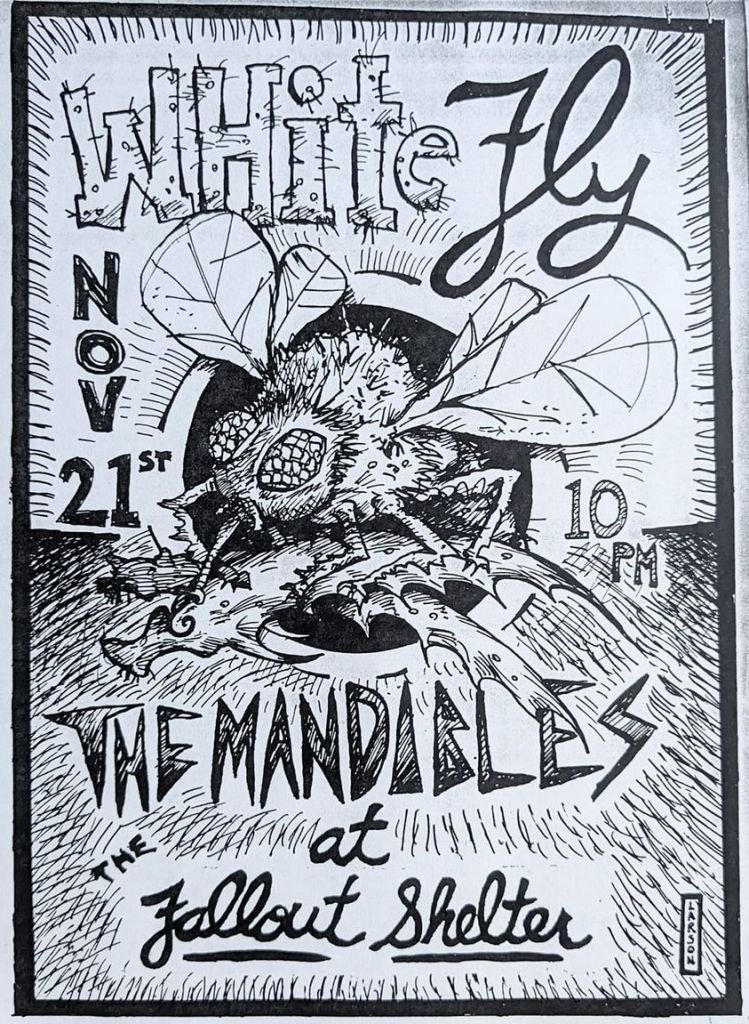
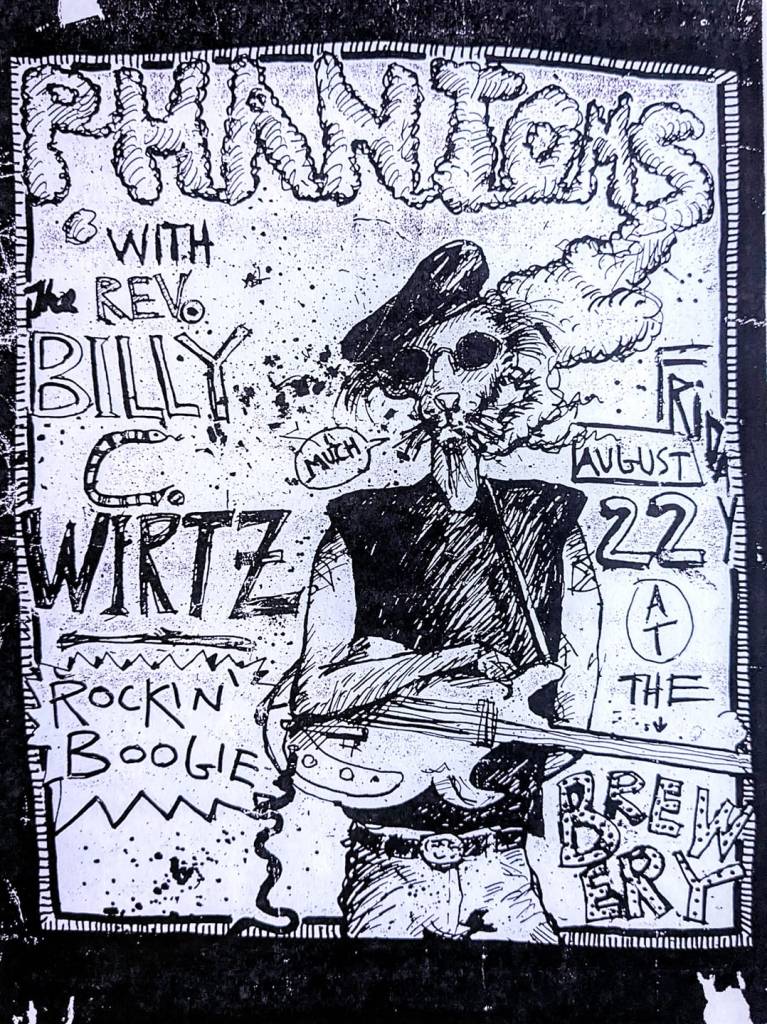
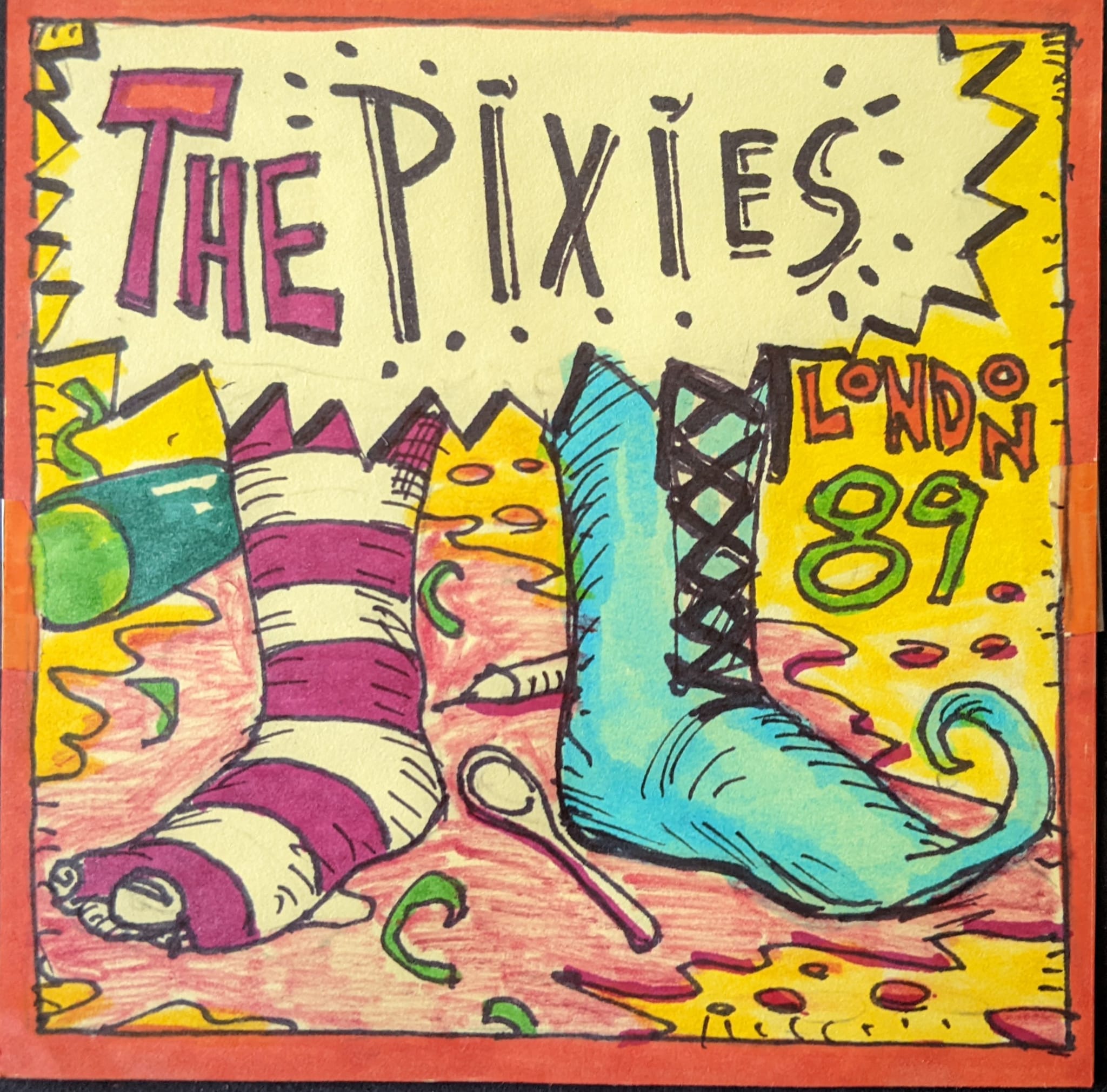
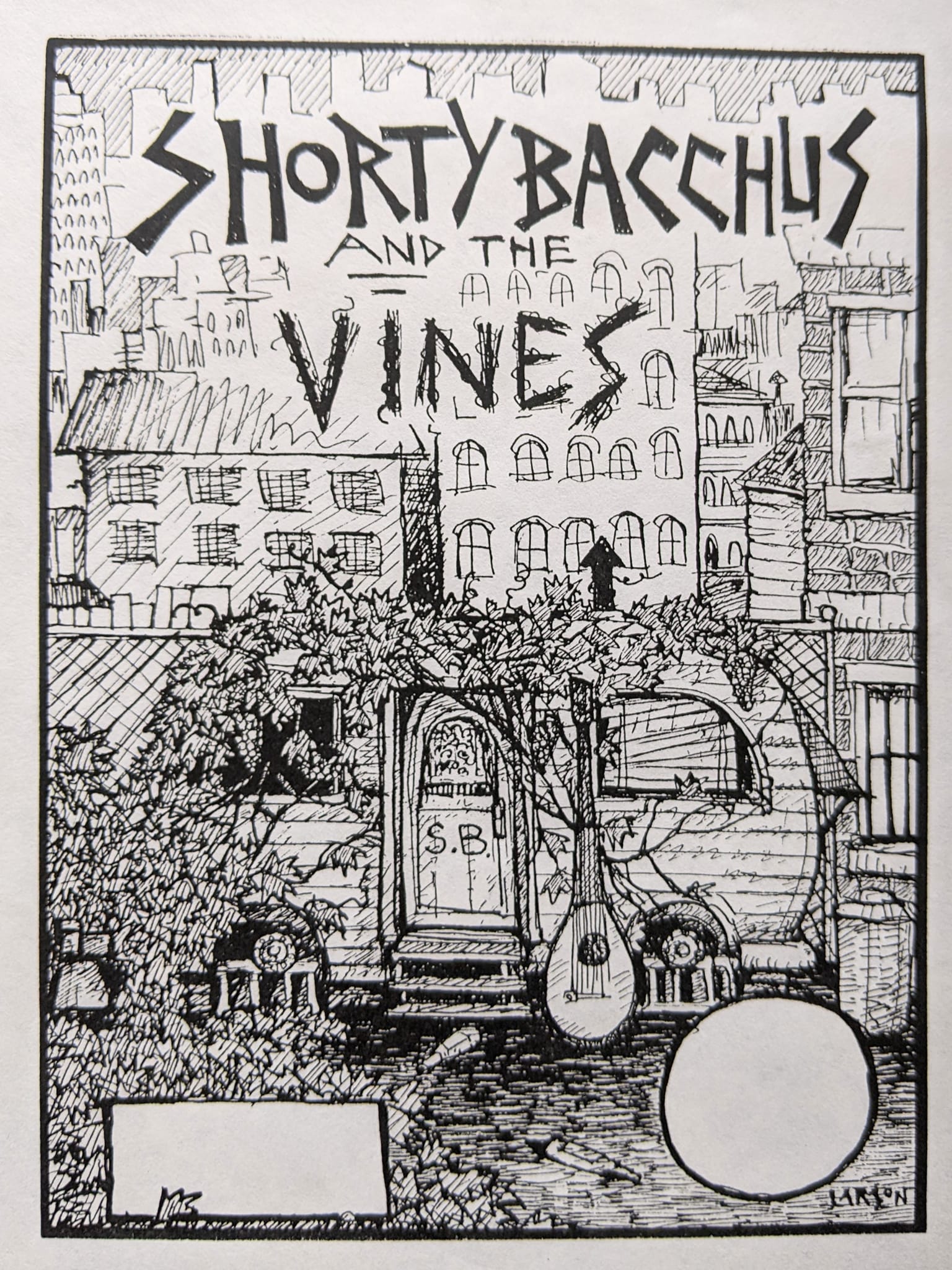
David Larson was the favored artist for band posters in the Raleigh punk and experimental scene around 1980. Here is a collection – if you have one you don’t see – post it at the David Early Larson Art page on FB, or send it to JDJ!
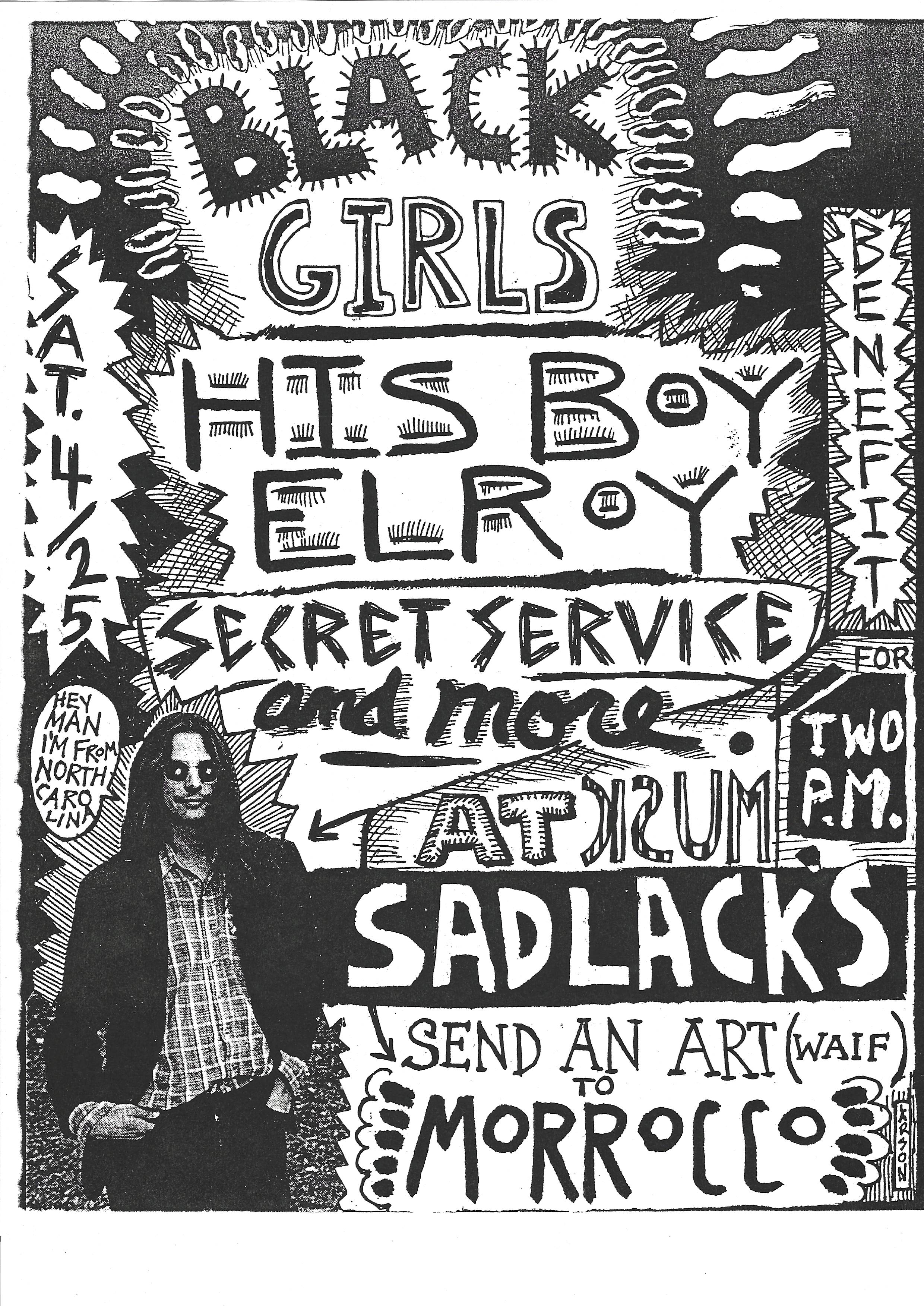
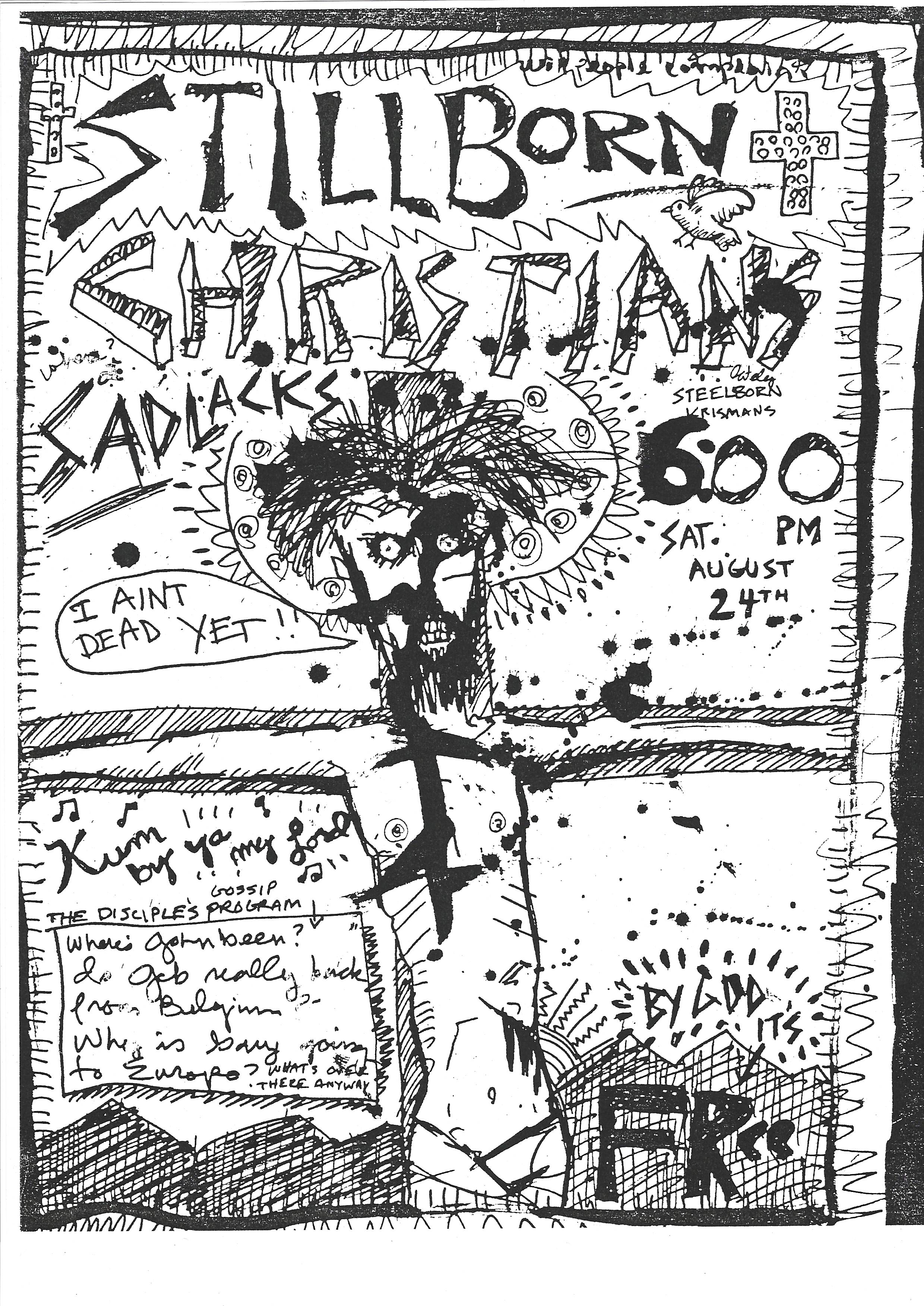
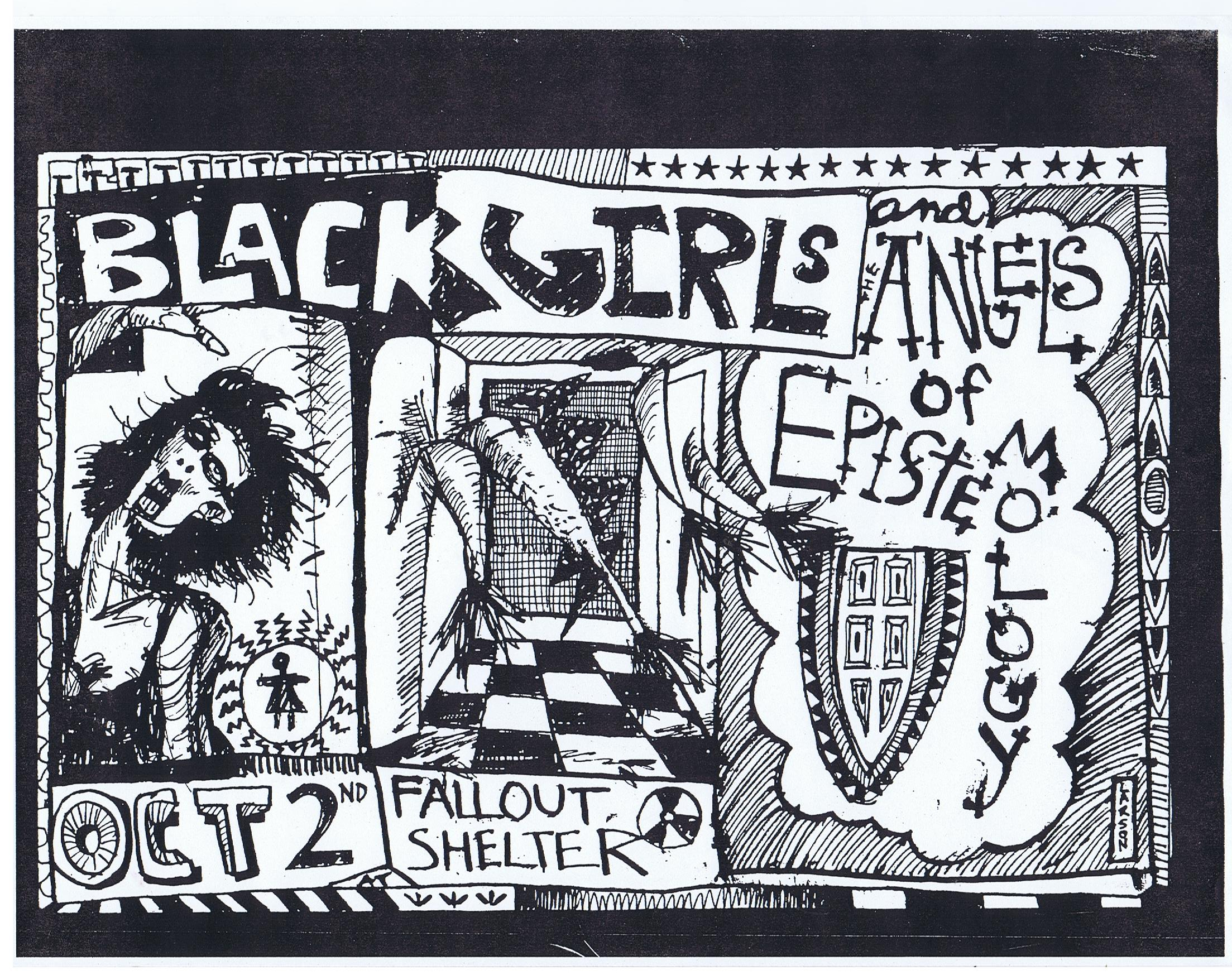
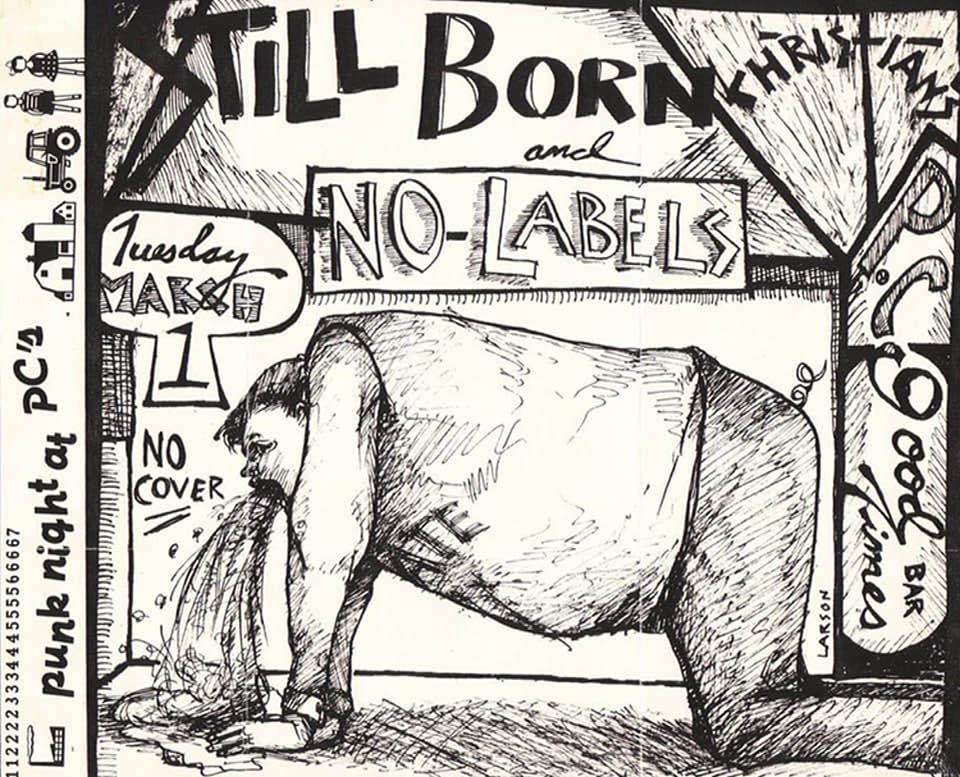
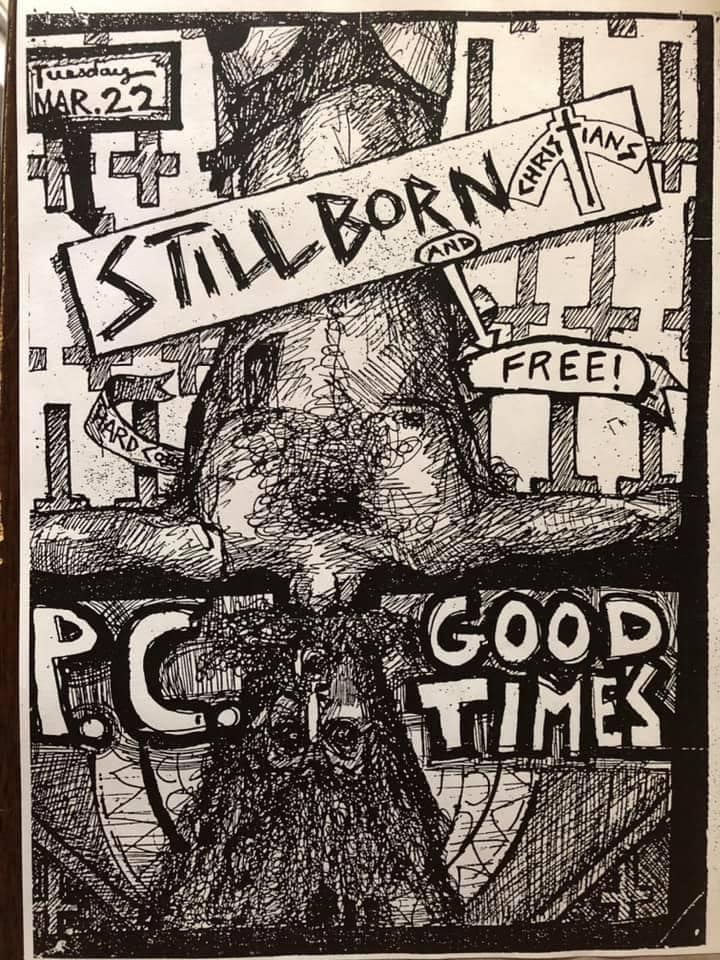
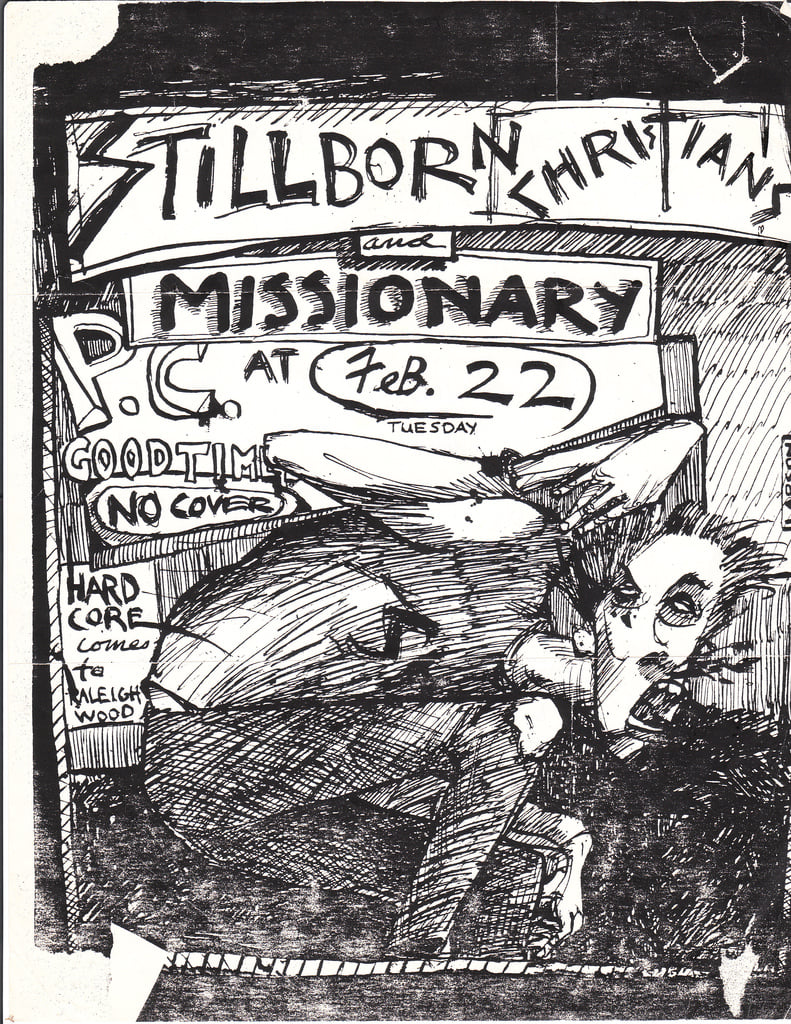
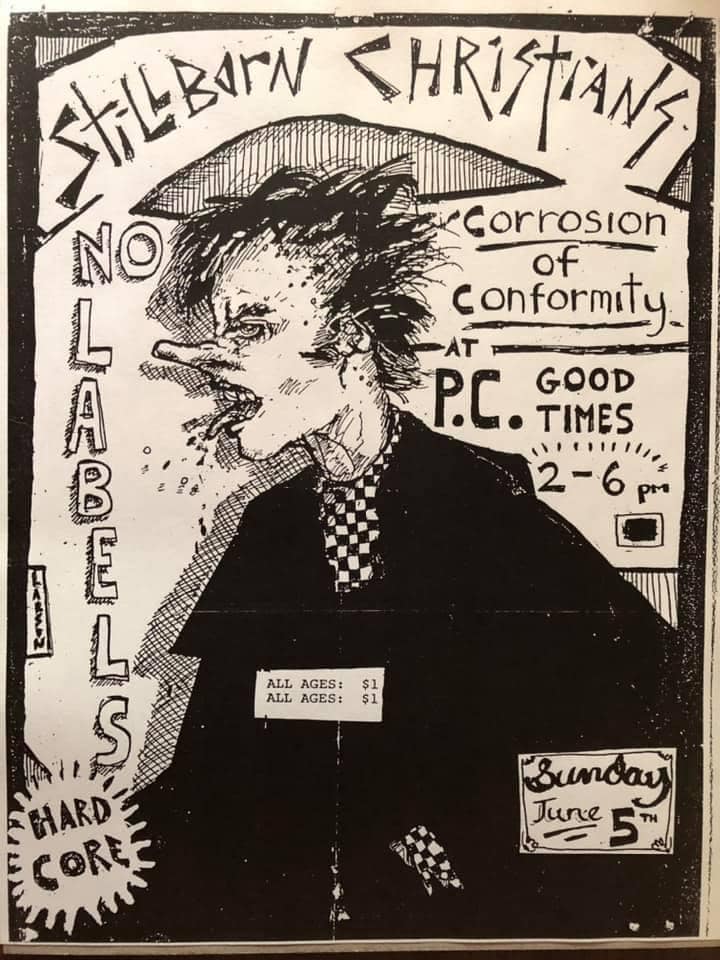
from Wayne T
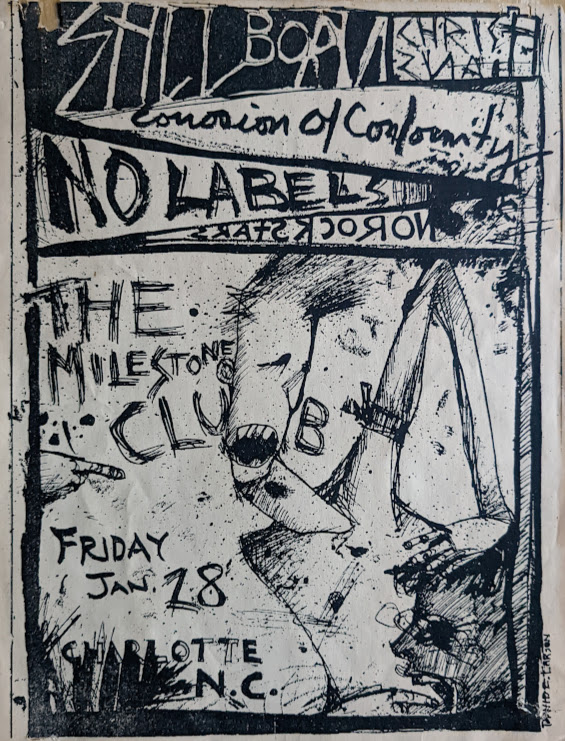
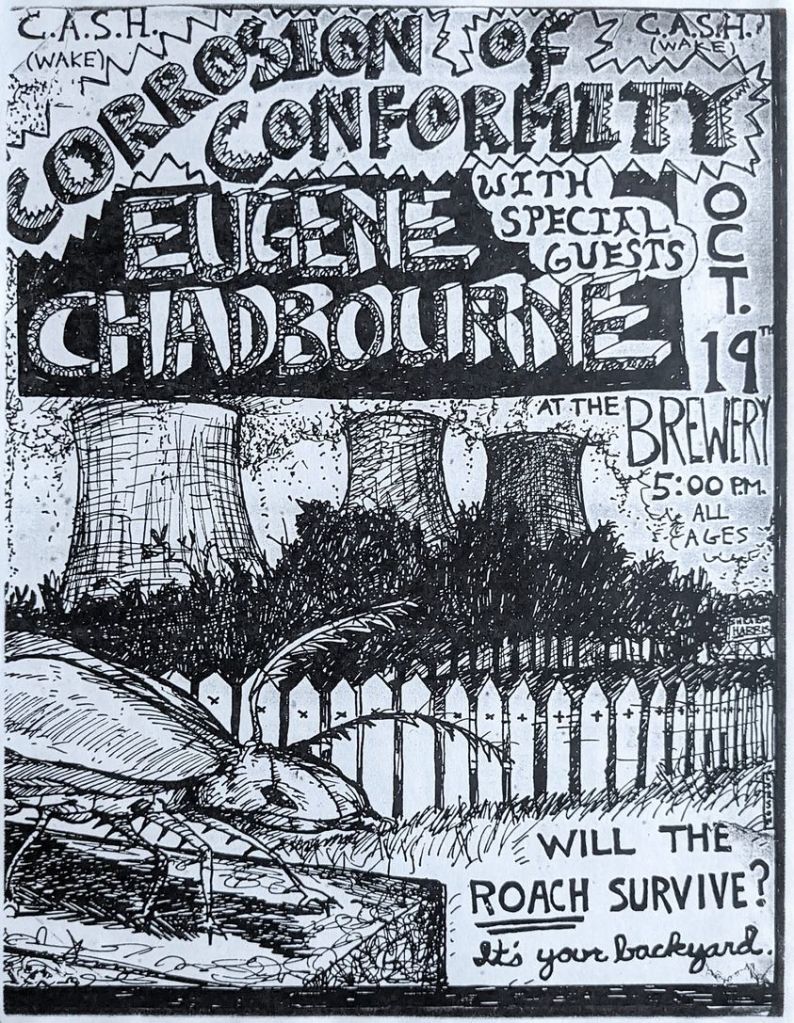

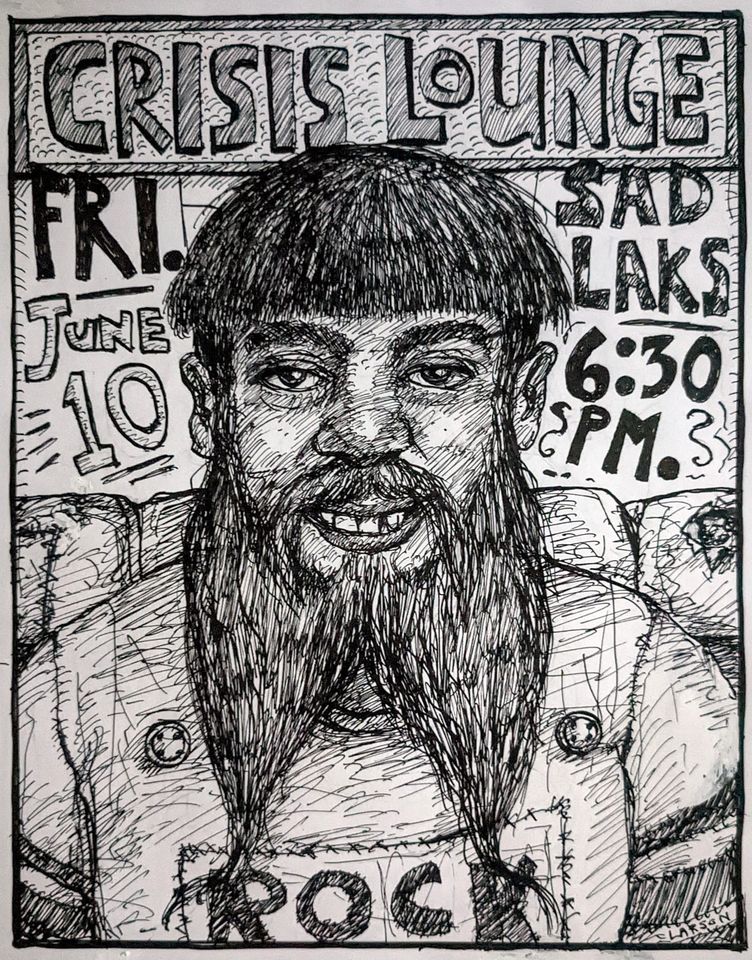
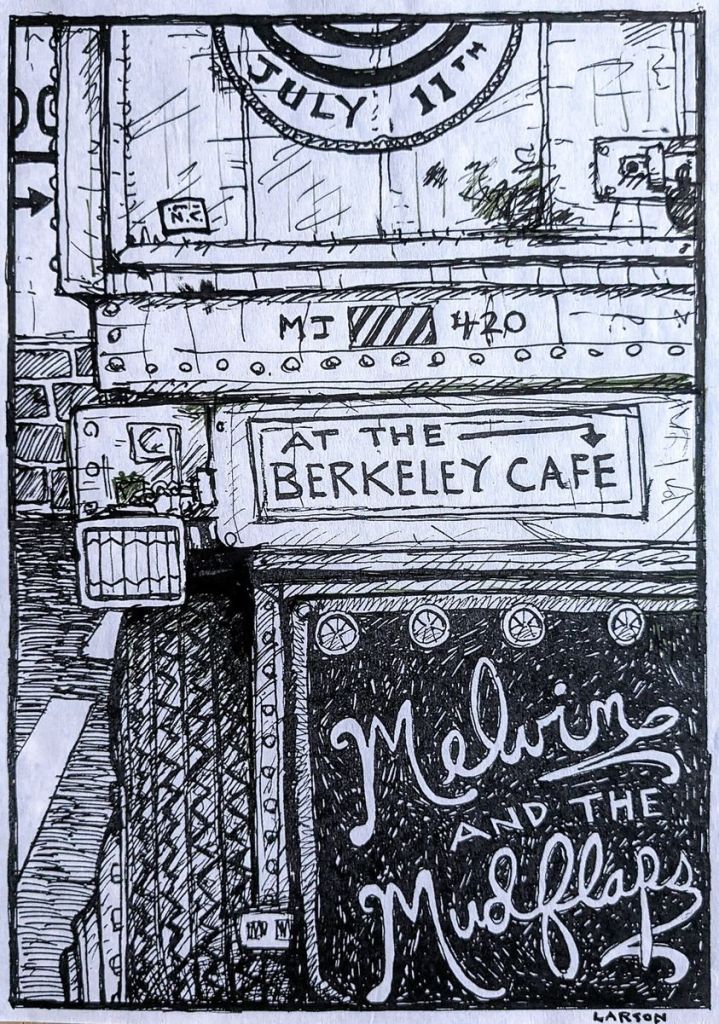

from Alan B
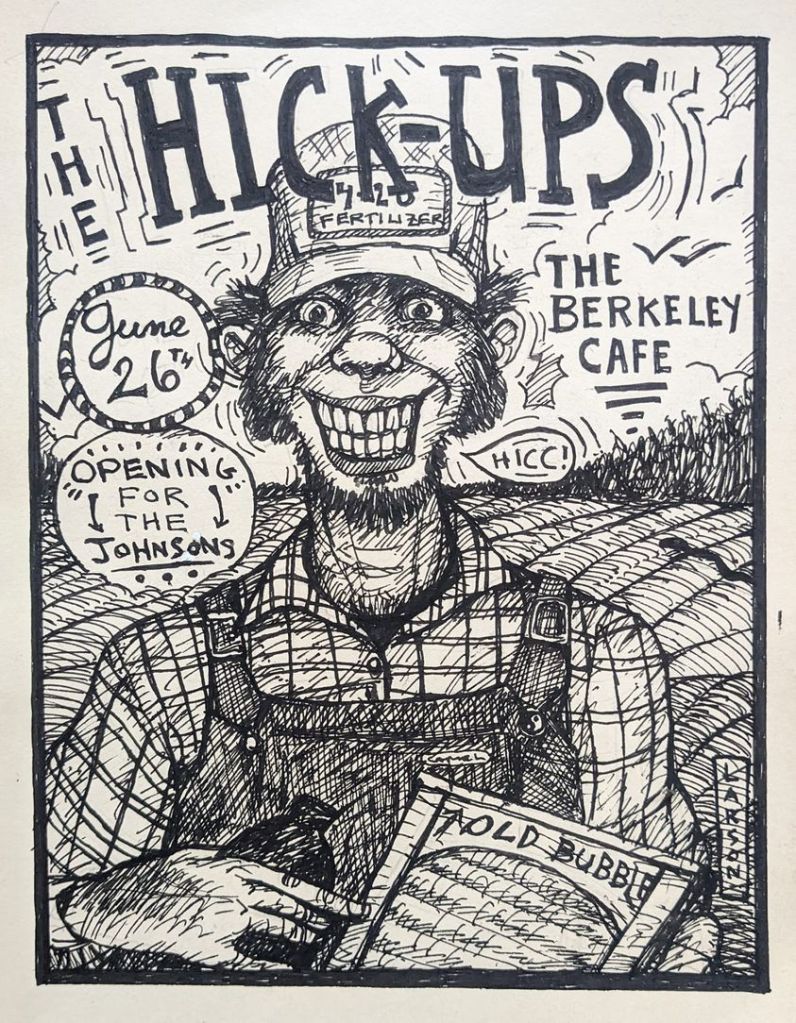
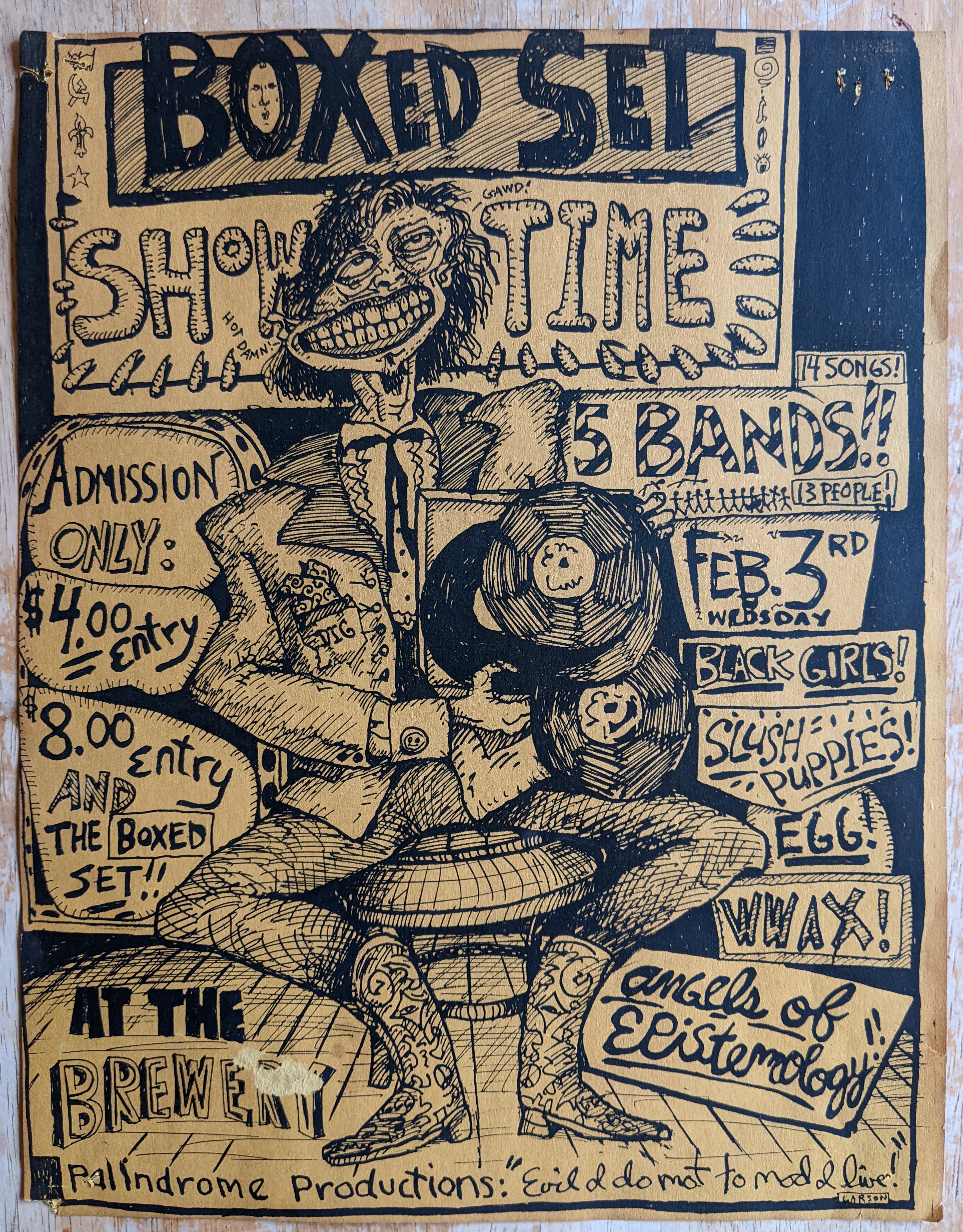
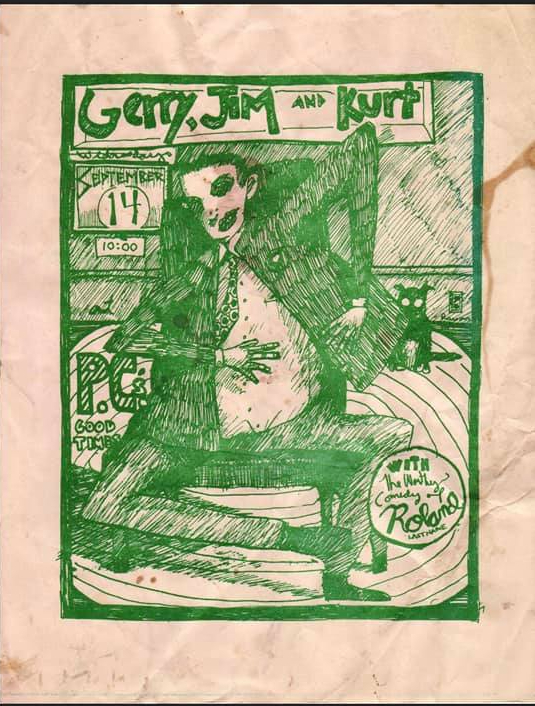
from Kurt F
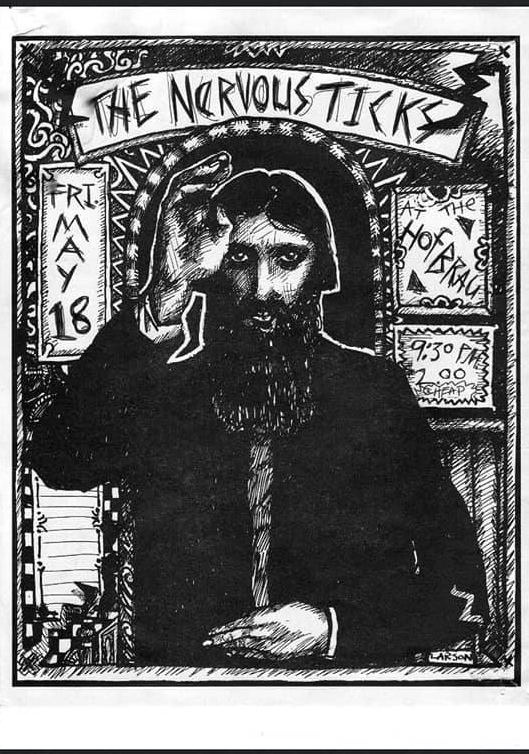
from Kurt F
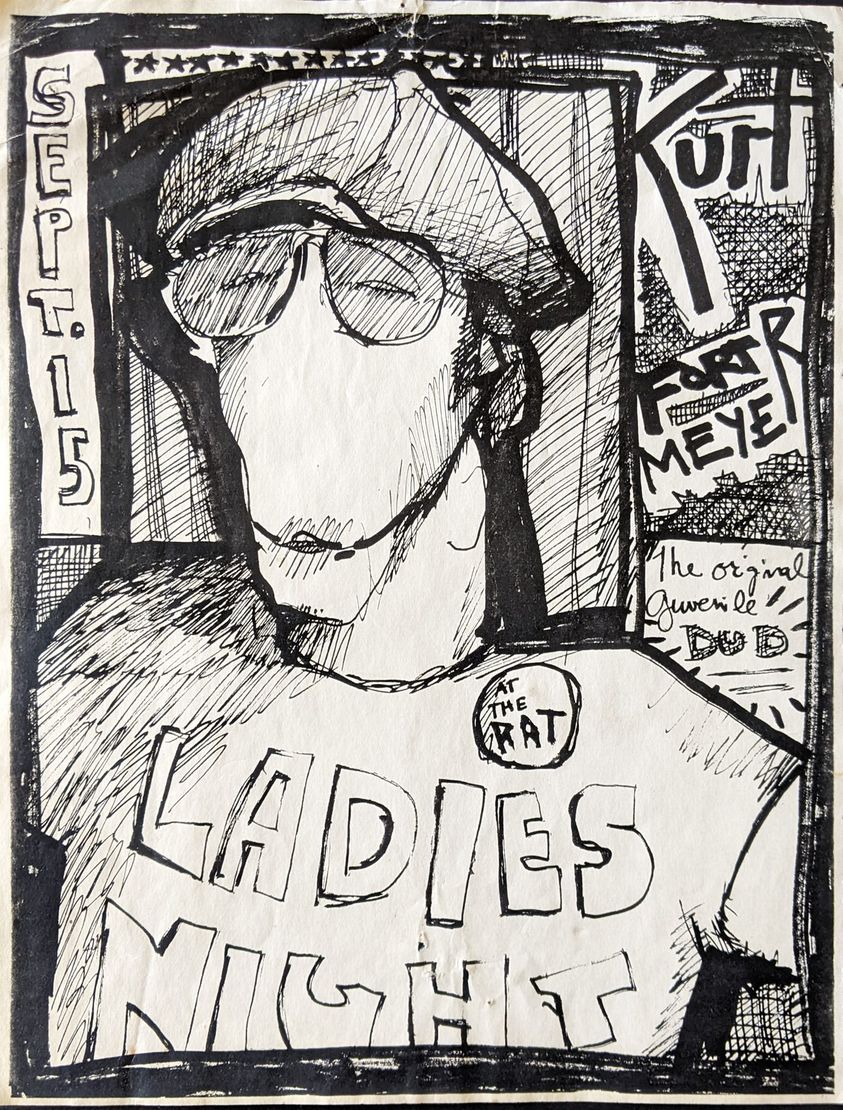
Kurt Fortmeyer
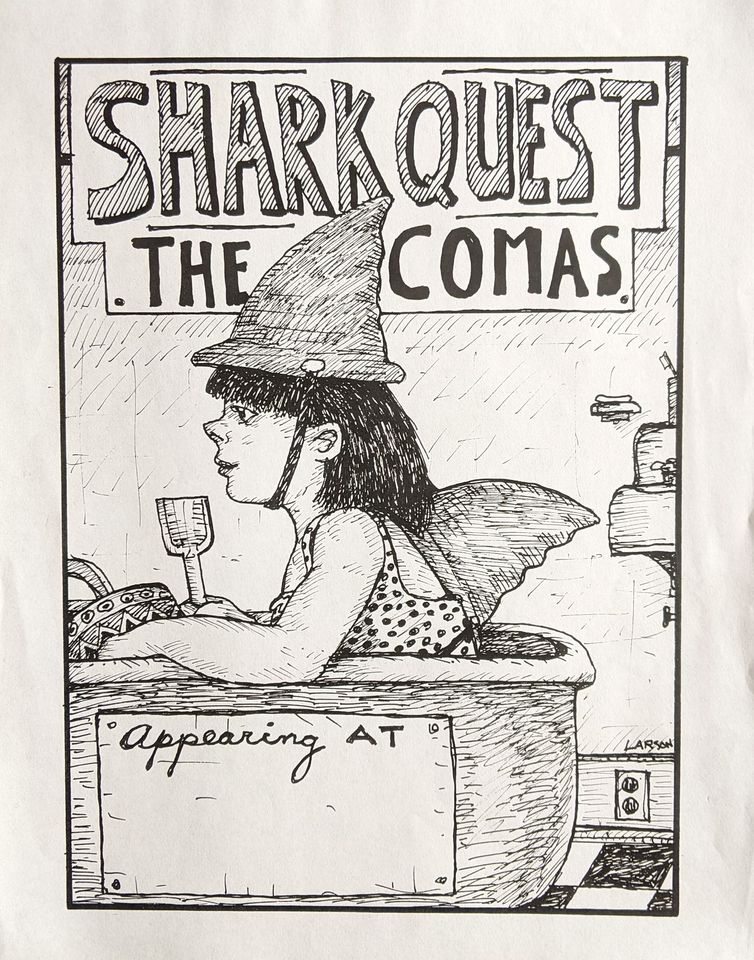
Sara Bell

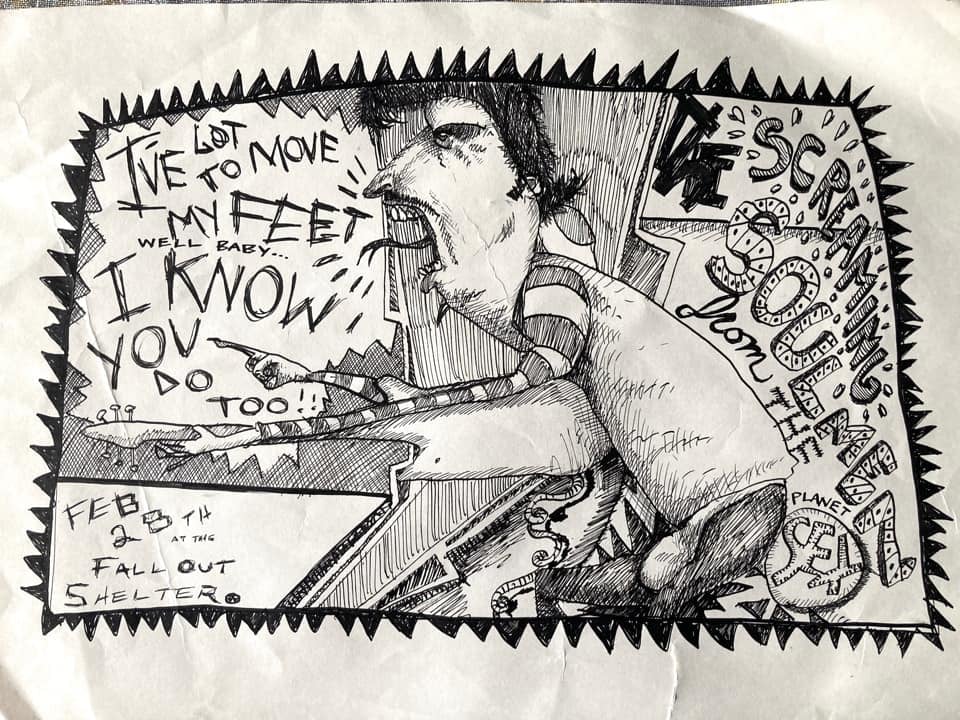
Chris Q’s Screaming Soul Men
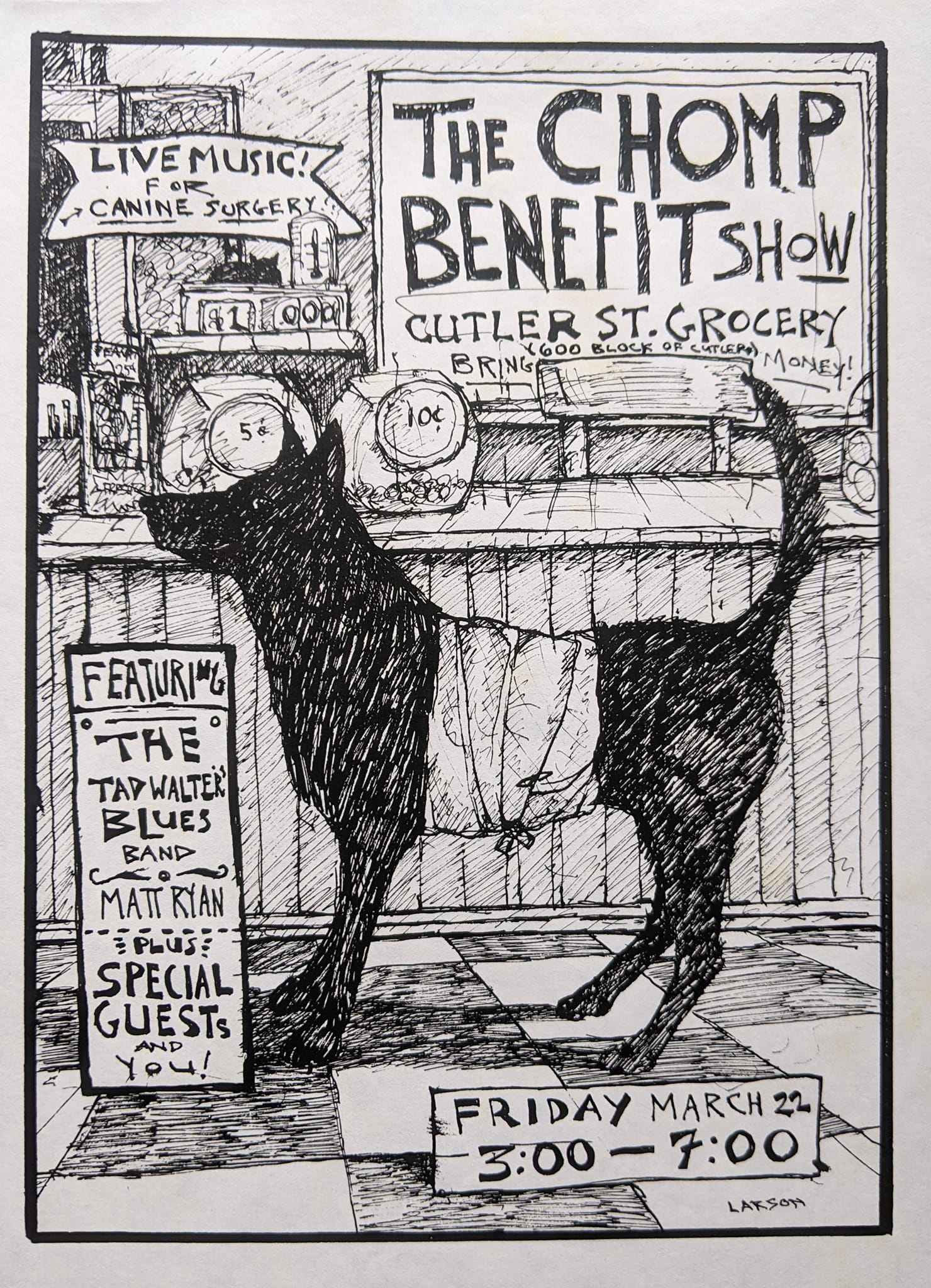
Chomp
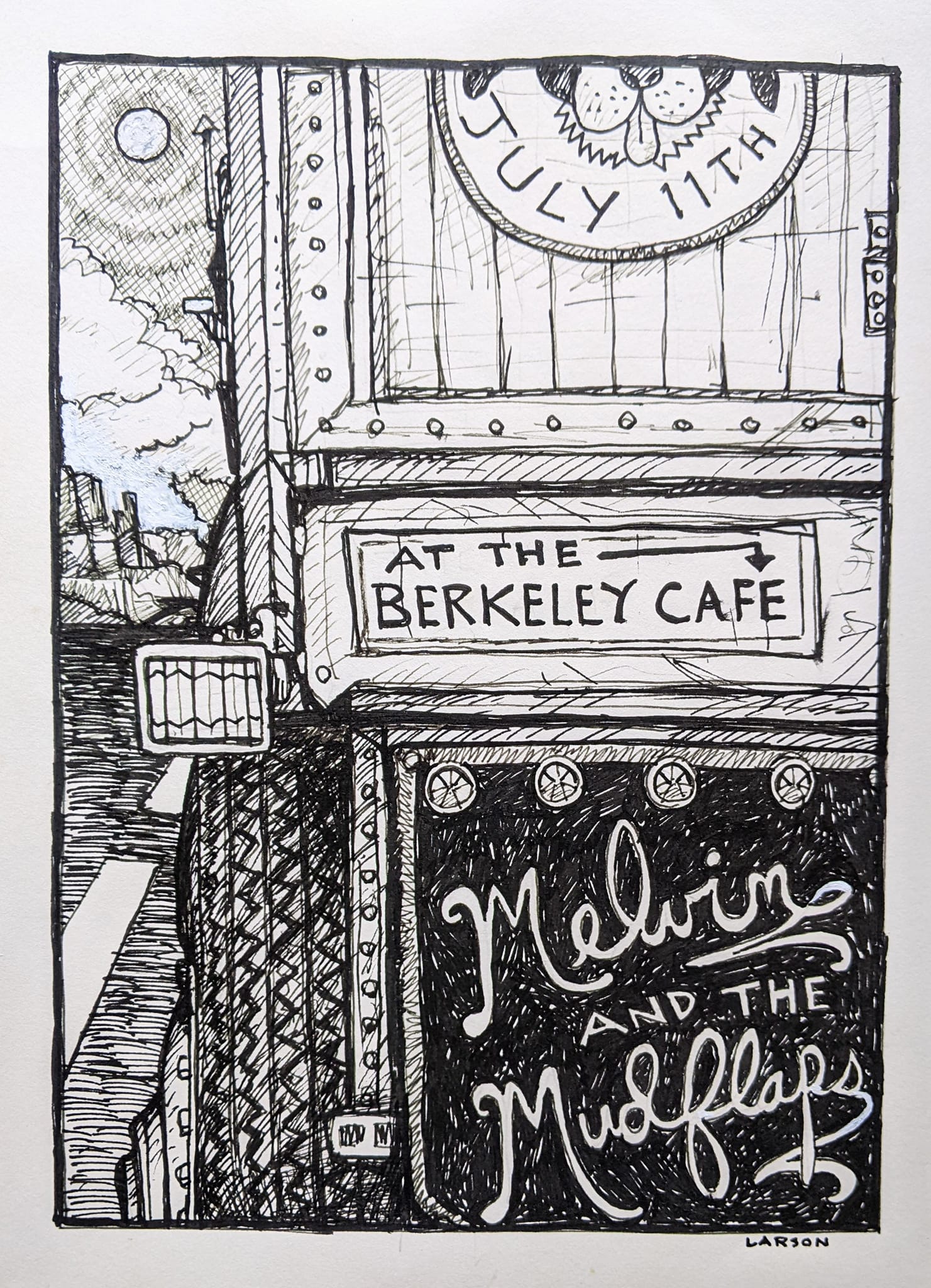

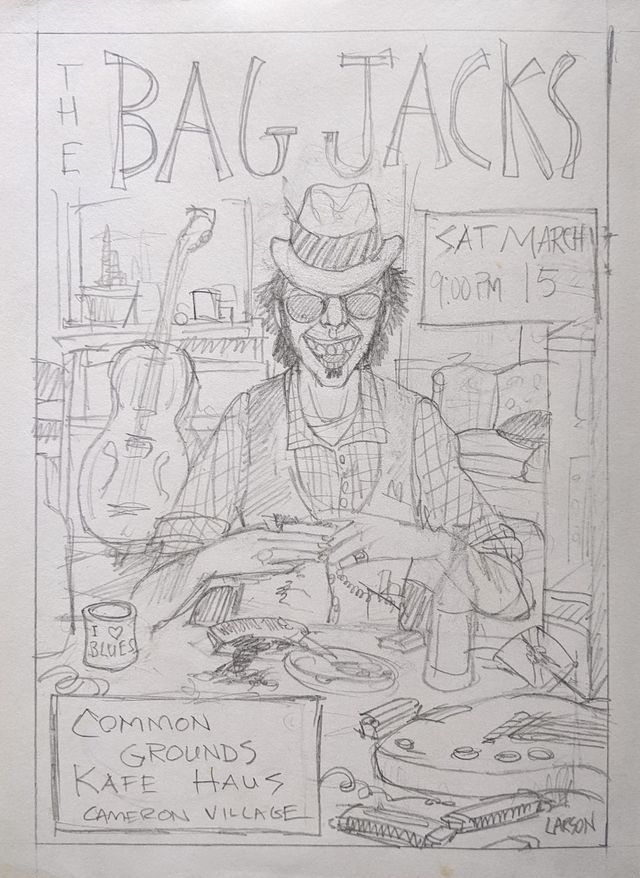
draft
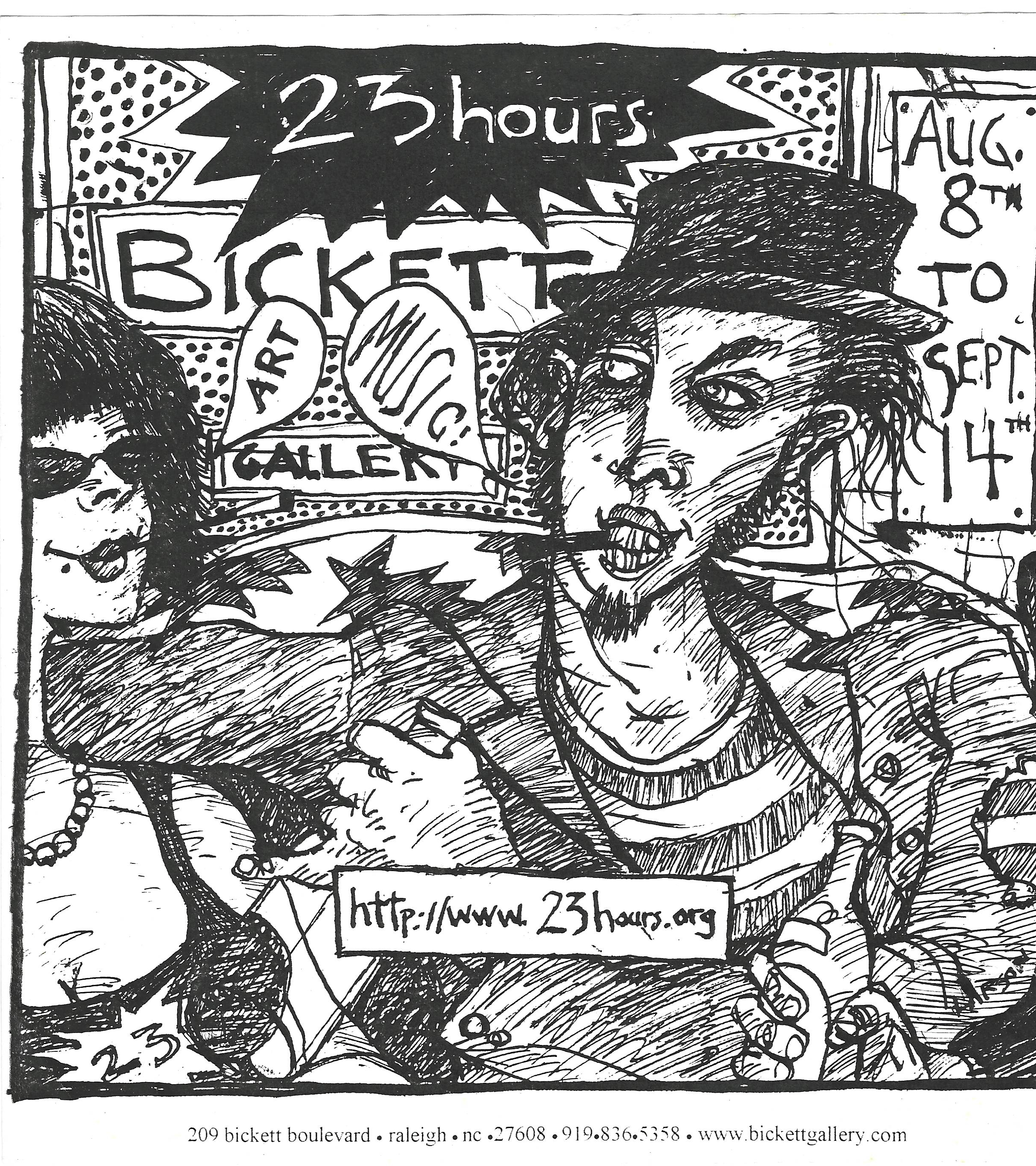
This wonderful show encapsulated Raleigh’s alternative arts
raleighrambles.com
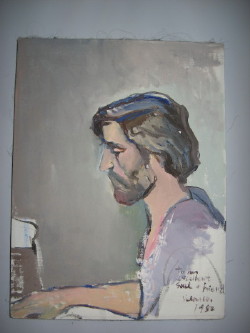
portrait by Guillermo Velasco


 Raleigh Rambles